
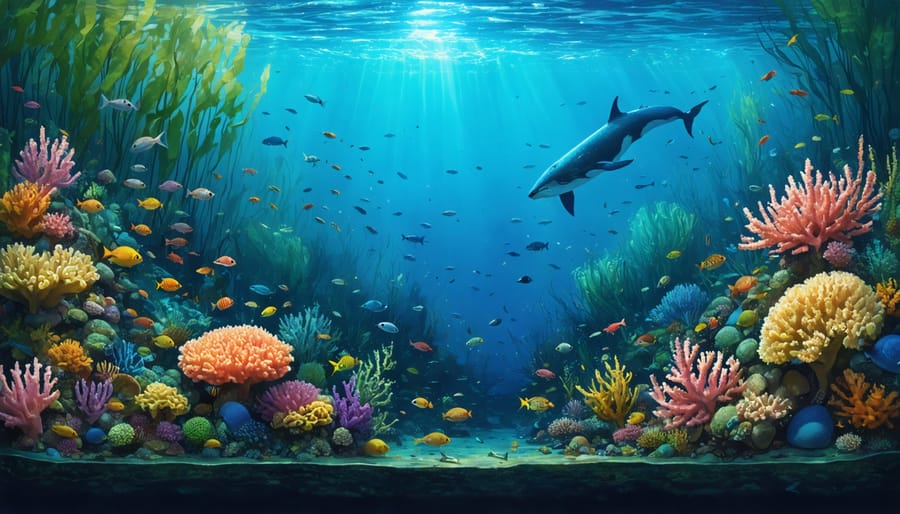
Aquarium corals fit into soft, large-polyp stony, small-polyp stony, and non-photosynthetic groups.
If you want a clear, expert guide to types of aquarium corals explained, you’re in the right place. I’ve built and cared for reef tanks from nano cubes to large mixed reefs. In this friendly, in-depth guide, you’ll learn how each coral group lives, what they need, and how to pick the right mix for your tank. You’ll see types of aquarium corals explained with simple rules, real tips, and proven steps.

What Makes a Coral a Coral?
Corals are animals. Most host tiny algae, called zooxanthellae, that turn light into food. This is why light and flow matter so much. Some corals eat more from the water and need feeding too.
There are soft corals with no hard skeleton. There are stony corals that build a skeleton of calcium carbonate. You will also see non-photosynthetic corals that do not use light at all. This is the base for the types of aquarium corals explained.
Soft Corals
Soft corals sway and flex. They are hardy and great for first tanks. Many grow fast and can fill space with color and motion.
Common soft corals include:
- Leather corals like Sarcophyton and Sinularia. They like light to medium light and flow.
- Kenya tree and colt corals. They spread fast and can drop new frags.
- Xenia and clove polyps. They pulse and add movement but can take over rock.
Soft corals like stable but forgiving water. Keep moderate light, gentle to moderate flow, and steady nutrients. This section adds to the types of aquarium corals explained.
Large Polyp Stony (LPS) Corals
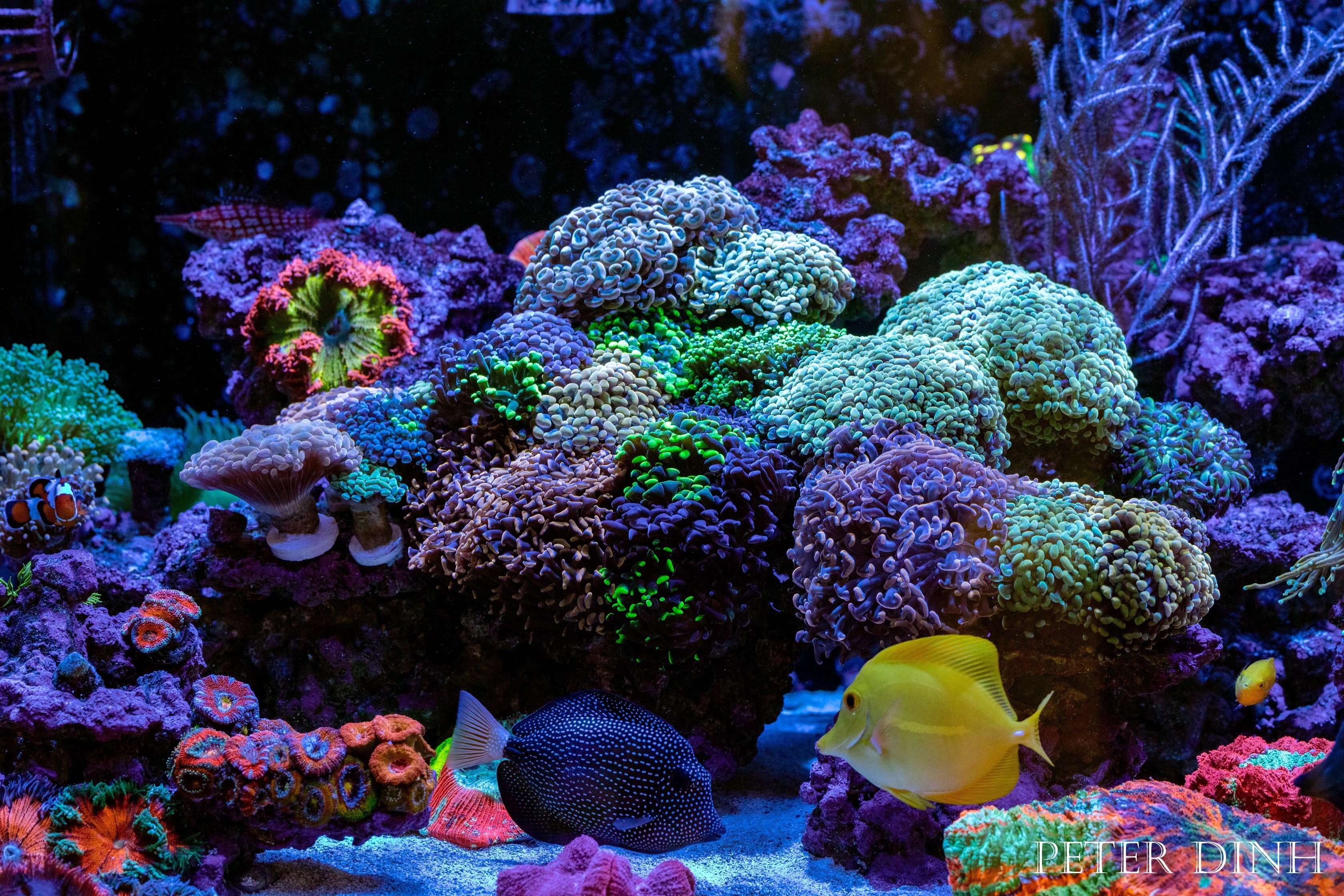
LPS corals have big fleshy polyps and a stony base. They love steady calcium, alkalinity, and magnesium. They do well in medium light and flow.
Popular LPS include:
- Euphyllia like hammer, torch, and frogspawn. They have long tentacles and need space for sweeper stings.
- Acanthastrea (Acan lords). They eat well and show wild colors.
- Favia and Favites. They have maze-like heads and send out night sweepers.
Feed small meaty foods once or twice per week. Watch for aggression. Keep alkalinity stable. This is a key group in the types of aquarium corals explained.

Small Polyp Stony (SPS) Corals
SPS corals have tiny polyps and thin branches or plates. They demand high light, strong random flow, and low nutrients. They also need very stable chemistry.
Common SPS include:
- Acropora. Amazing forms and colors, but very sensitive.
- Montipora. Plates, caps, and encrusting types. Easier than Acros.
- Stylophora, Seriatopora, and Pocillopora. Good shapes and moderate care.
Raise light slowly and track PAR. Keep alk rock-solid. A small swing can cause a big loss. SPS are the high bar in the types of aquarium corals explained.
Zoanthids and Palythoas
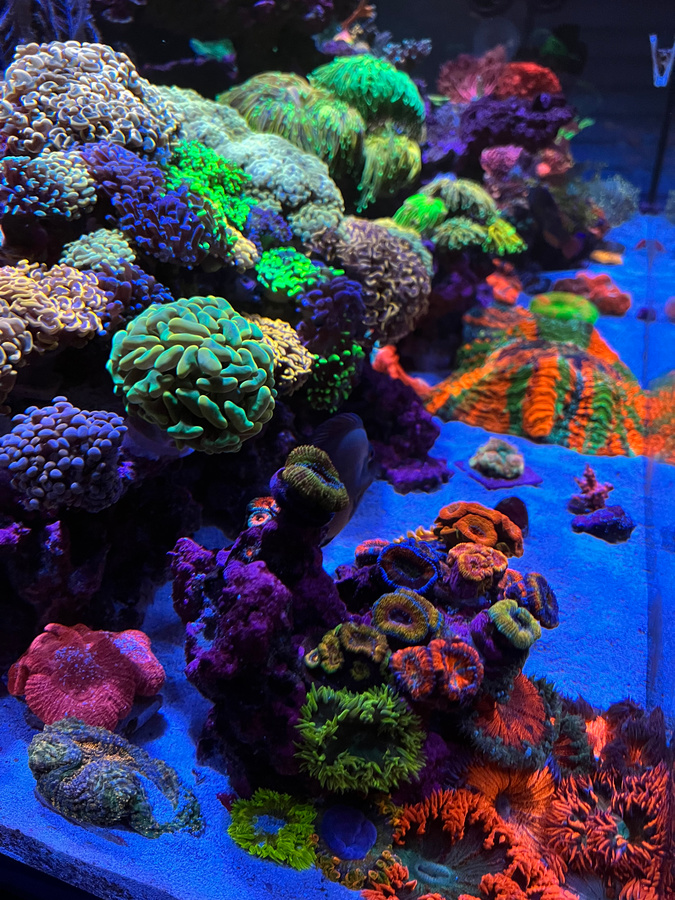
Zoas and palys are button-like mats with bold color. They grow in clusters and spread across rock. They like moderate light and flow.
They can contain palytoxin. Do not scrub them dry or boil rock. Wear gloves and eye protection. Handle with care and keep pets and kids safe. These safety notes matter for the types of aquarium corals explained.
Mushroom Corals (Corallimorphs)
Mushrooms are tough, bright, and great for low to medium light. They come in discosoma, rhodactis, and ricordeas. Some inflate and split fast.
They are good for shaded spots and lower flow. Keep them on an island rock to limit spread. This group rounds out many tanks in the types of aquarium corals explained.
Gorgonians and Sea Fans
Gorgonians are branch-like corals. Many are photosynthetic and easy. Some are non-photosynthetic and need heavy feeding.
Photosynthetic types like corky or purple plume do best in steady flow. Non-photosynthetic sea fans need near constant fine food. Picking the right type is part of the types of aquarium corals explained.
Non-Photosynthetic (NPS) Corals
NPS corals do not rely on light. Think sun corals (Tubastraea), dendros, chili corals, and some gorgonians. They open more at night and love small, frequent feedings.
They are advanced because they need strong flow and clean yet fed water. Feed a mix of fine plankton and small meaty food. NPS care is a key slice of the types of aquarium corals explained.
Choose Corals by Skill Level
Start simple. Add harder species as you learn your tank.
Beginner picks:
- Soft corals like leather, Kenya tree, toadstool
- Mushrooms like discosoma and rhodactis
- Hardy LPS like duncans and blastos
Intermediate picks:
- Zoanthids and palys
- Montipora and birdsnest
- Torch and hammer corals
Advanced picks:
- Acropora
- Non-photosynthetic gorgonians
- Delicate LPS like scolys and trachys
Match your plan to your time, gear, and budget. This flow is central to the types of aquarium corals explained.
Match Light and Flow to Coral Types
Corals read light as food. Too little, they starve. Too much, they bleach. Use a PAR meter if you can, even a rental.
Simple targets:
- Soft corals: 50 to 150 PAR, gentle to moderate flow
- LPS: 75 to 200 PAR, moderate, indirect flow
- SPS: 200 to 350 PAR, strong, random flow
Ramp light slow. Aim for 8 to 10 hours. Mix broad, even light with strong, pulsed flow. Proper light and flow sit at the heart of the types of aquarium corals explained.
Water Chemistry and Nutrition Essentials
Stable water wins. Test and log weekly. Keep swing low.
Key ranges:
- Salinity: 1.025 to 1.026
- Temperature: 77 to 79°F
- Alkalinity: 8 to 9.5 dKH
- Calcium: 400 to 450 ppm
- Magnesium: 1300 to 1400 ppm
- Nitrate: 5 to 15 ppm for mixed reefs
- Phosphate: 0.03 to 0.1 ppm for mixed reefs
Feed the tank. Use a mix of coral foods, amino acids, and fish food. Skim well and change water. This supports all the types of aquarium corals explained.
Aquascape and Placement Tips
Plan your rock with zones of light and flow. Leave ledges, caves, and shelves. Think long term growth.
Placement rules:
- Keep space for LPS sweepers
- Put SPS high and in strong flow
- Place softies and mushrooms low or shaded
- Use islands for fast spreaders
Glue frags on small tiles first. Then place the tile on rock. This makes moves easy. Good scape design helps with the types of aquarium corals explained.
Common Mistakes and How to Avoid Them
I once cranked my lights too fast and bleached a Montipora cap in a week. Since then, I ramp light over four weeks. I also test daily when I add many new frags.
Watch for these traps:
- Chasing numbers with big swings
- Adding too many corals at once
- Ignoring pests like flatworms or nudis
- Overfeeding NPS without export
Small, steady steps beat big moves. Learn your tank’s rhythm. This mindset improves all types of aquarium corals explained.
Sample Stocking Plans
For a 20-gallon nano:
- One toadstool, two mushrooms, one zoa island
- One duncan, one candy cane
- A small birdsnest up high
For a 75-gallon mixed reef:
- Soft zone with leather and Xenia
- LPS zone with hammer, frogspawn, and acans
- SPS zone with Montipora plates and a few Acropora
Add in waves. Quarantine when you can. This gives a safe, fun path through the types of aquarium corals explained.
Real-World Tips From the Trenches
Lesson learned: patience is a coral keeper’s best tool. New frags often sulk for a week before growth starts. Leave them be if polyp extension is okay.
I like to run a weekly plan:
- Monday: test alk and calcium
- Wednesday: target feed LPS
- Friday: change 10 percent of water
- Sunday: inspect for pests and adjust flow
Simple habits keep tanks stable. These small wins stack up across the types of aquarium corals explained.
Frequently Asked Questions of types of aquarium corals explained
What are the main types of aquarium corals?
Soft corals, LPS corals, SPS corals, and non-photosynthetic corals. Each group has different needs for light, flow, and food.
Which corals are best for beginners?
Mushrooms, leathers, and hardy LPS like duncans are great first picks. They handle small swings and grow well in average light.
How much light do corals need?
Soft corals do well at lower PAR, LPS in medium, and SPS in high PAR. Use a slow ramp and check PAR if possible.
Can I mix soft, LPS, and SPS corals?
Yes, in a mixed reef with clear zones for light and flow. Give space for aggression and use carbon to reduce chemical warfare.
Do I need to feed corals?
Most photosynthetic corals get energy from light, but feeding helps growth and color. NPS corals require regular, targeted feeding.
How do I keep alkalinity stable?
Test often and dose small, frequent amounts. Use quality salt and keep water changes consistent.
Are zoanthids dangerous?
Some zoas and palys can contain palytoxin. Wear gloves and eye protection and avoid scrubbing them in air.
Conclusion
You now have the big picture and the fine details to grow a thriving reef. Start with hardy softies and LPS, then step into SPS or NPS when your tank is stable. Use steady light, strong yet random flow, and tight chemistry to bring color and growth to life.
Pick one section above and act today. Place a new frag, test your alk, or adjust your flow. Want more guides like this? Subscribe, share your tank goals in the comments, and tell me which corals you plan to try next.