Peaceful freshwater aquarium fish thrive with calm tankmates, stable water, and space.
If you want a calm and colorful community tank, you are in the right place. I have kept peaceful freshwater aquarium fish for years. In this guide, I share real tips, research, and easy steps. You will learn how to pick species, plan stocking, set up the tank, and keep stress low for a vibrant, peaceful home aquarium.
What Makes a Fish Peaceful?
Peaceful fish show calm behavior and do not bully or nip. They have small mouths, simple courtship, and mild territorial needs. They also do well in groups, which spreads attention and stress.
Watch for body language. Loose fins, steady color, and smooth swimming show a relaxed fish. Chasing, hiding, clamped fins, or faded color point to stress. Even peaceful freshwater aquarium fish can turn tense in poor setups.
Tank layout shapes behavior. Add plants, wood, and rocks to break lines of sight. This lets shy fish rest and lowers conflict. Stable water and a predictable routine also keep peace.
A final note on balance. Match fish by size, swim level, and flow needs. Slow, small fish pair best with other gentle species and gentle currents. This is the core of a peaceful freshwater aquarium fish community.
Best Peaceful Freshwater Aquarium Fish
Below are proven, beginner friendly, and colorful choices. I have kept these in small and large community tanks with great results. Each pick plays a role, from schooling to bottom cleanup. The phrase peaceful freshwater aquarium fish guides all these lists.
For nano tanks, 10 gallons or less
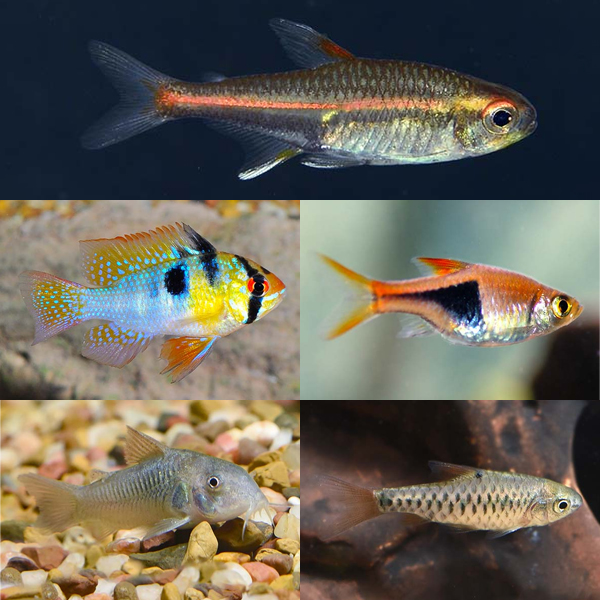
- Ember tetra: Tiny, bright orange, calm schooler. Keep 10 or more.
- Chili rasbora: Micro size and shy. Needs plants and gentle flow.
- Celestial pearl danio: Jewel spots and mild nature. Keep in groups.
- Pygmy corydoras: Bottom schoolers that sift sand. Keep 8 or more.
- Endler’s livebearer: Hardy and active. Males are very colorful.
For community tanks, 20 to 40 gallons and up
- Harlequin rasbora: Bold color and very steady schooling.
- Rummy nose tetra: Tight schooler and great water quality signal.
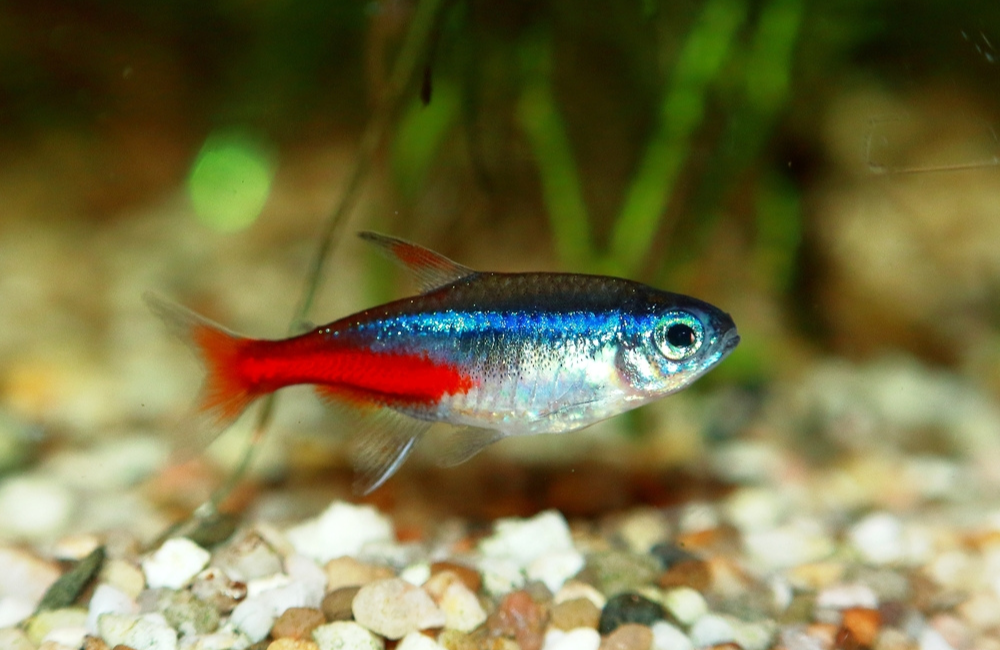
- Cardinal or neon tetra: Classic color and calm. Larger groups reduce nips.
- Black neon tetra: Hardy and peaceful. Great contrast color.
- Corydoras (panda, bronze, sterbai): Social, gentle, and helpful scavengers.
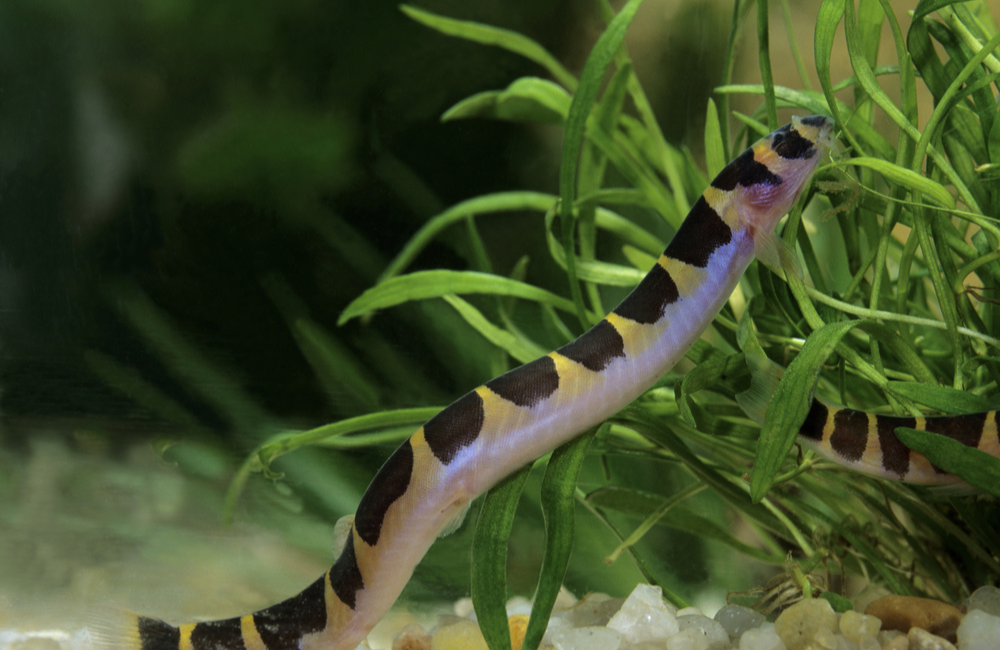
- Kuhli loach: Shy noodle shape that cleans leftovers at night.
- Otocinclus: Small algae grazer that needs stable, mature tanks.
- Bristlenose pleco: Mild algae eater that stays a manageable size.
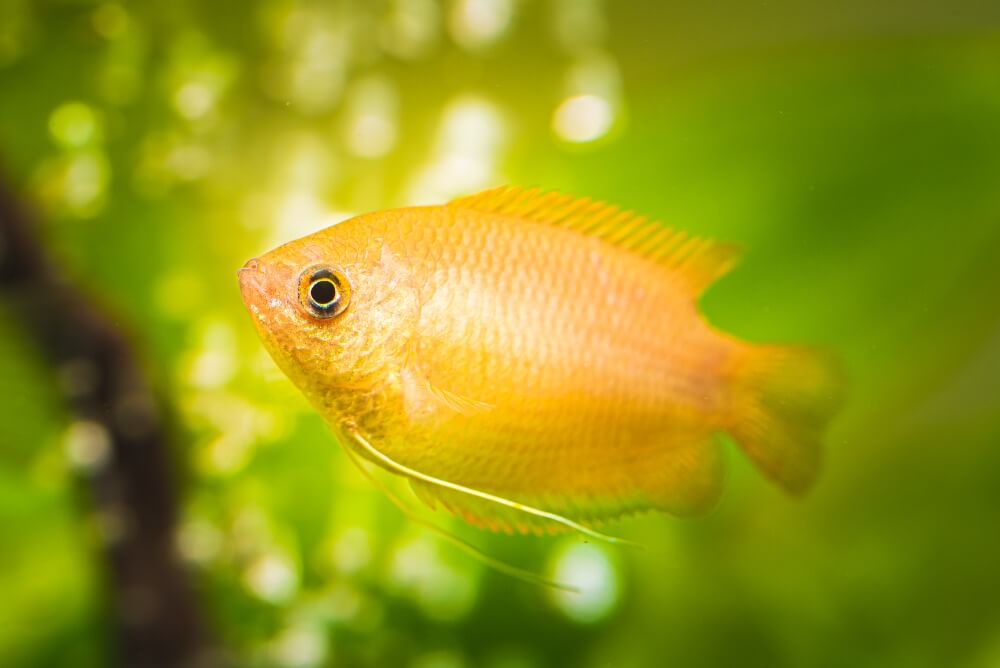
- Honey gourami: Sweet nature and soft colors. Often the best gourami for peace.
- Pearl gourami: Graceful and calm in larger planted tanks.
Top dwellers and cool water picks
- Hatchetfish: True top swimmer. Needs a tight lid.
- White cloud mountain minnow: Cool water, very peaceful, and lively schooler.
Livebearers for color and movement
- Guppy: Bright, easy, and peaceful in groups.
- Platy: Hardy and social. Good for first tanks.
- Molly: Needs more space and clean water. Often brackish tolerant.
These species mix well when you match size, water, and flow. They are all strong choices when you want a calm, easy to manage, peaceful freshwater aquarium fish community.

Stocking Guides and Compatibility
Good stocking is about behavior and bioload. Forget the old inch per gallon rule. Think groups, zones, and your filter capacity.
Use these sample plans as a starting point. Always confirm adult sizes and water needs.
- 10 gallon nano: 12 ember tetras, 8 pygmy corydoras, and 1 colony of shrimp.
- 20 gallon long: 12 harlequin rasboras, 10 panda corydoras, 1 honey gourami.
- 29 gallon: 15 cardinal tetras, 10 kuhli loaches, 6 otocinclus, heavy plants.
- 55 gallon: 20 rummy nose tetras, 12 sterbai corydoras, 1 pair pearl gourami, 1 bristlenose pleco.
Keep schooling fish in groups of 8 to 12 or more. This lowers stress and nipping. Add fish in stages and test water after each step. This supports a peaceful freshwater aquarium fish environment and stable biofilter.
Avoid mixing fast fin nippers with slow, long fin fish. Tiger barbs, large danios, or aggressive cichlids can ruin the mood. If a fish starts to nip, increase the school size and add more cover. Often this ends the habit.
Aquascape and Tank Setup for Peaceful Communities
Think of your tank as a city with zones. Provide shelter, open swim lanes, and soft light. In my tanks, live plants make the biggest difference.
Add these features to create a peaceful freshwater aquarium fish layout:
- Substrate: Fine sand or smooth gravel helps corydoras and loaches.
- Hardscape: Use driftwood and rounded stones to make paths and hideouts.
- Plants: Java fern, Anubias, Vallisneria, crypts, and floating plants like Salvinia.
- Filtration: Sponge or gentle canister flow. Aim for slow currents.
- Lighting: Moderate light and a day length of 7 to 8 hours to limit algae.
- Lid: Many peaceful fish jump. A tight lid saves lives.
Set the heater for the species you keep. Most tropical peaceful freshwater aquarium fish like 74 to 78 degrees Fahrenheit. White clouds prefer cooler water. Match species that share the same range.

Feeding and Nutrition
Small fish need small food. Offer a mix to cover all needs. This keeps colors rich and behavior calm.
Try this simple plan:
- Morning: Quality micro pellets or fine flakes.
- Evening: Frozen or live foods like daphnia, baby brine shrimp, or bloodworms.
- Algae and biofilm: Add blanched zucchini for plecos. Keep a mature tank for otocinclus.
Feed what they can eat in under two minutes. Skip one feeding per week to reduce waste. A clean tank supports peaceful freshwater aquarium fish and steady health.
Health, Quarantine, and Stress Signs
Quarantine new fish for two to four weeks. A small spare tank with a sponge filter works well. This prevents parasites and disease from entering your display tank.
Watch for these stress signs:
- Clamped fins or rapid gill movement
- Hiding, darting, or rubbing on objects
- Loss of color or ragged fins
- Refusing food
Keep water stable. Ammonia and nitrite should be zero. Nitrate should stay low. A regular change of 30 to 50 percent each week helps a lot. Healthy water makes for calm, peaceful freshwater aquarium fish.
Breeding Notes for Gentle Species
Many peaceful freshwater aquarium fish will breed if you let them. Livebearers like guppies and platies produce fry often. Add floating plants or a dense moss to save babies.
Tetras and rasboras scatter eggs. Use a fine moss or marbles to protect eggs from hungry parents. Corydoras place eggs on glass or plants. Move eggs to a small rearing tank with air stones.
Feed fry tiny foods. Start with infusoria or powdered fry food. Then move to baby brine shrimp. Keep water clean and warm.
Budget and Maintenance Routine
You can keep peaceful freshwater aquarium fish on a budget. Spend on a good filter, a heater, a test kit, and a sturdy lid. Live plants save money on decor and help balance water.
Use this weekly routine:
- Test water for ammonia, nitrite, nitrate, and pH.
- Change 30 to 50 percent of water.
- Clean glass and trim plants.
- Rinse filter media in old tank water if flow drops.
Log your results. Stable numbers mean stable fish. A simple routine leads to a lasting, peaceful freshwater aquarium fish setup.
Common Mistakes to Avoid
Even gentle fish can act up if we slip on basics. Here are pitfalls I learned to avoid.
- Mixing fin nippers with slow fish like gourami or long fin guppies
- Keeping only three or four of a schooling species
- Skipping quarantine on new arrivals
- Overfeeding and clogging the filter
- Chasing a perfect pH with chemicals instead of stable parameters
Fix the setup before blaming the fish. Small changes can restore harmony fast. This is key to success with peaceful freshwater aquarium fish.
Frequently Asked Questions of peaceful freshwater aquarium fish
Are guppies considered peaceful freshwater aquarium fish?
Yes, guppies are peaceful and great for community tanks. Keep more females than males to reduce chasing.
How many peaceful freshwater aquarium fish can I keep in a 10 gallon?
Focus on one main school and a small cleanup crew. For example, 10 ember tetras and 6 pygmy corydoras work well.
Do I need a heater for peaceful freshwater aquarium fish?
Most tropical species need a heater to stay stable. White clouds and some hillstream fish prefer cooler water and may not need one.
What are the best peaceful algae eaters?
Otocinclus and bristlenose pleco are mild and effective. Nerite snails also help and cannot breed in freshwater.
Can any cichlids be peaceful in a community tank?
Bolivian rams and honey blue rams can work in planted tanks. Give them space, warm water, and gentle tankmates.
How do I stop fin nipping in a peaceful tank?
Increase the school size and add more plants or wood. Check flow speed and feeding so fish do not fight for food.
Are bettas peaceful freshwater aquarium fish for communities?
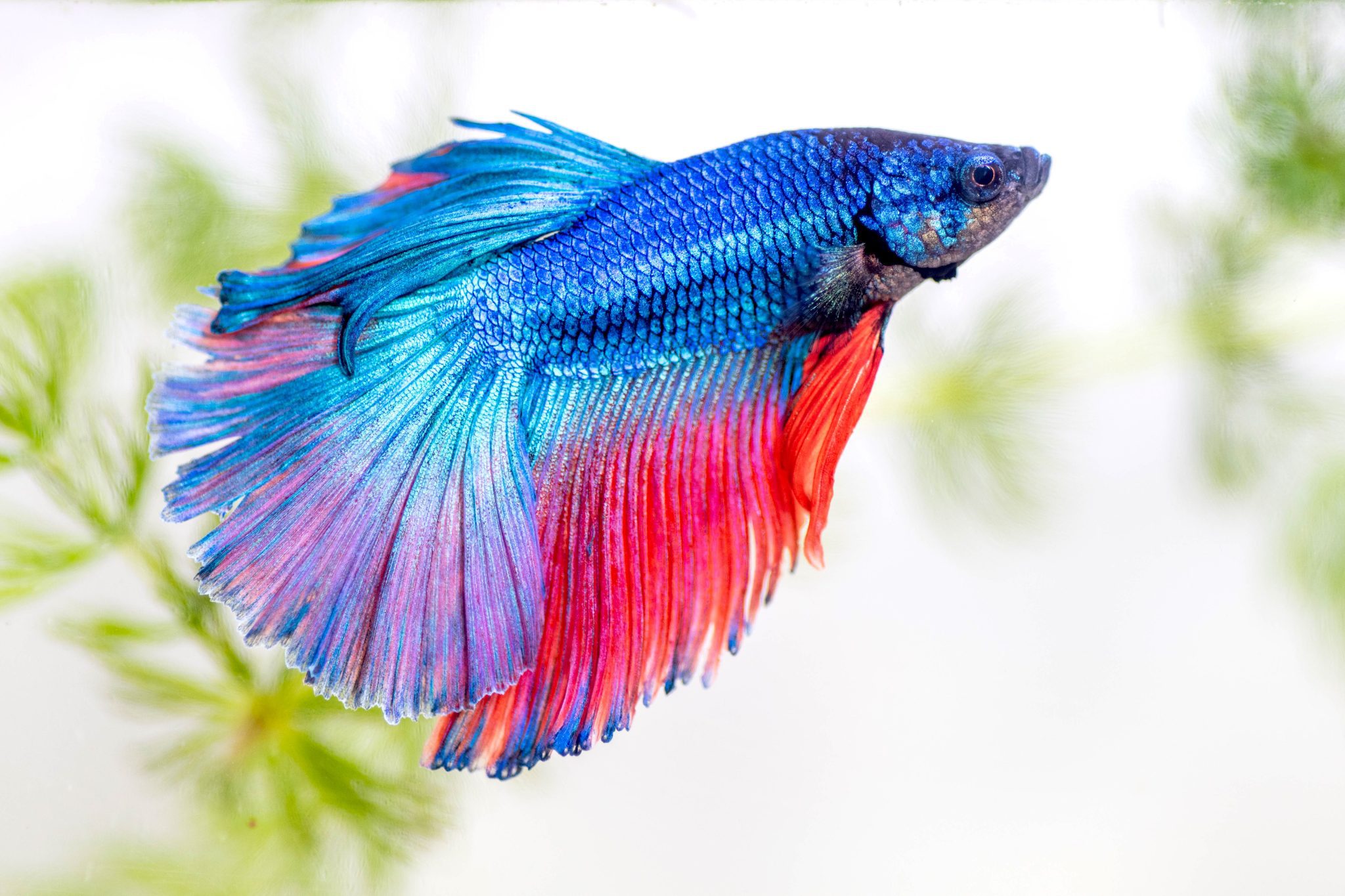
Most bettas are not good community fish. They can nip or be nipped, so keep them in species only setups.
Conclusion
Peace in a tank is not luck. It is careful species choice, stable water, and a smart layout. Pick solid groups, add plants, and keep a simple routine. Your peaceful freshwater aquarium fish will reward you with color, calm, and long life.
Start small with a single school and a gentle cleanup crew. Learn their habits, then add your next group. If this guide helped you plan your community, subscribe for more care guides and share your setup in the comments.