The best low maintenance freshwater aquarium fish are hardy, peaceful, and undemanding.
If you want a tank that looks great and stays easy, you are in the right place. I have kept, bred, and helped set up dozens of beginner tanks. In this guide, I share what works for low maintenance freshwater aquarium fish, why some species are easier than others, and how to keep care simple without cutting corners. Read on for clear picks, simple setups, and real tips you can trust.

What makes a fish low maintenance?
Low maintenance freshwater aquarium fish share a few traits. They handle small swings in water levels. They eat common foods. They stay calm with other fish. They do not grow fast or make huge waste.
Look for these signs:
- Hardy species that handle a wide range of pH and hardness.
- Peaceful nature to reduce stress and fights.
- Small adult size and modest bioload.
- Simple diet of flakes, pellets, and frozen foods.
- No special gear or rare water needs.
Fish that meet these marks need less work. They also forgive small beginner mistakes. Still, all fish need a cycled tank, clean water, and regular care. Low maintenance does not mean no maintenance.
:strip_icc()/goldfishwithplant-3a74a71246a04848b14146ed55b55d94.png)
Best low maintenance freshwater aquarium fish
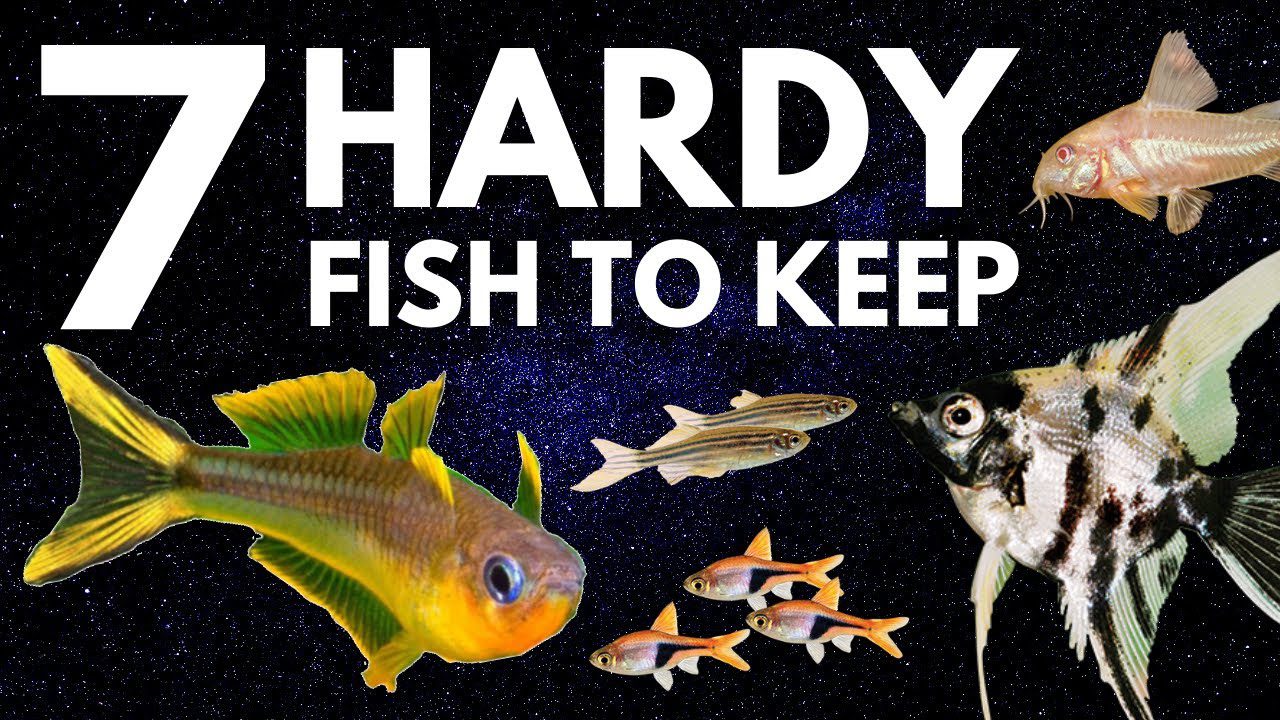
Below are fish I have kept in simple home tanks. They are tough, calm, and easy to feed. Each line notes why it fits. These are great picks if you want low maintenance freshwater aquarium fish.
- White Cloud Mountain Minnow: Cold to room temp. Active and tough. Great in unheated rooms.
- Zebra Danio: Hardy and busy. Eats anything. Best in groups of six or more.
- Harlequin Rasbora: Peaceful schooler. Glows in planted tanks. Great for 10+ gallons.
- Ember Tetra: Tiny and bright. Calm and easy to feed. Keep large groups.
- Cherry Barb: Colorful and gentle. Less nippy than some barbs. Good in planted tanks.
- Endler’s Livebearer: Small and flashy. Breeds fast. Keep more females than males.
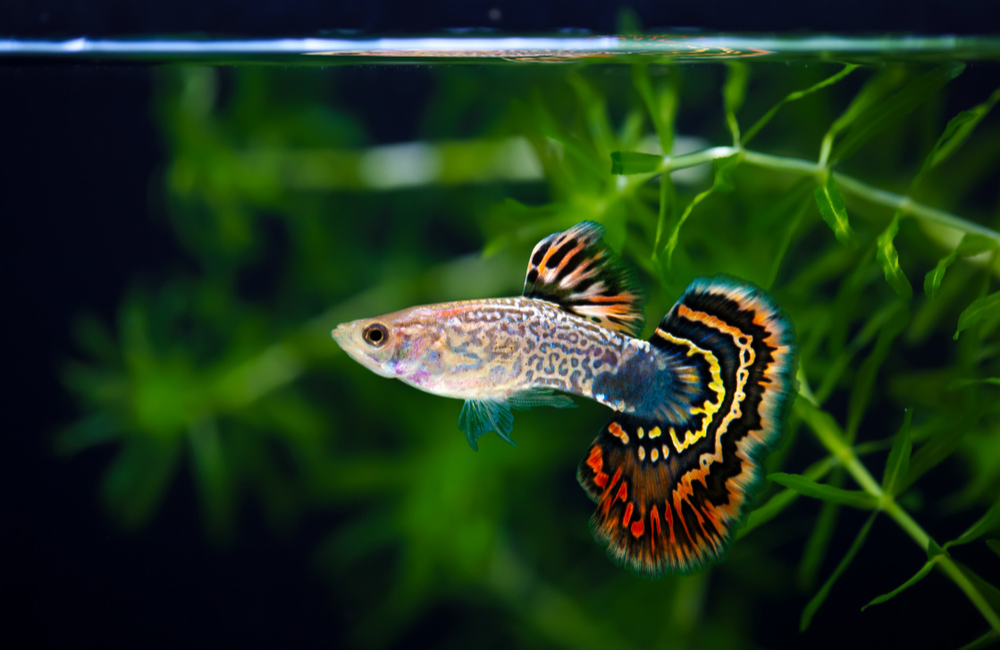
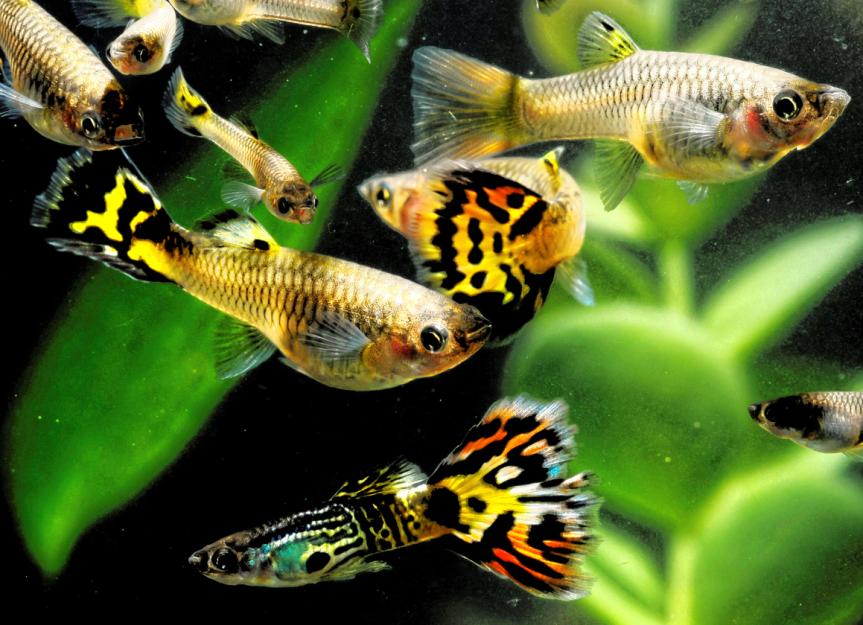
- Guppy: Classic beginner fish. Hardy if you buy from strong stock. Likes harder water.
- Platy: Great community fish. Eats algae on glass. Also prefers harder, alkaline water.
- Honey Gourami: Peaceful centerpiece. Low stress. Works in calm tanks with plants.
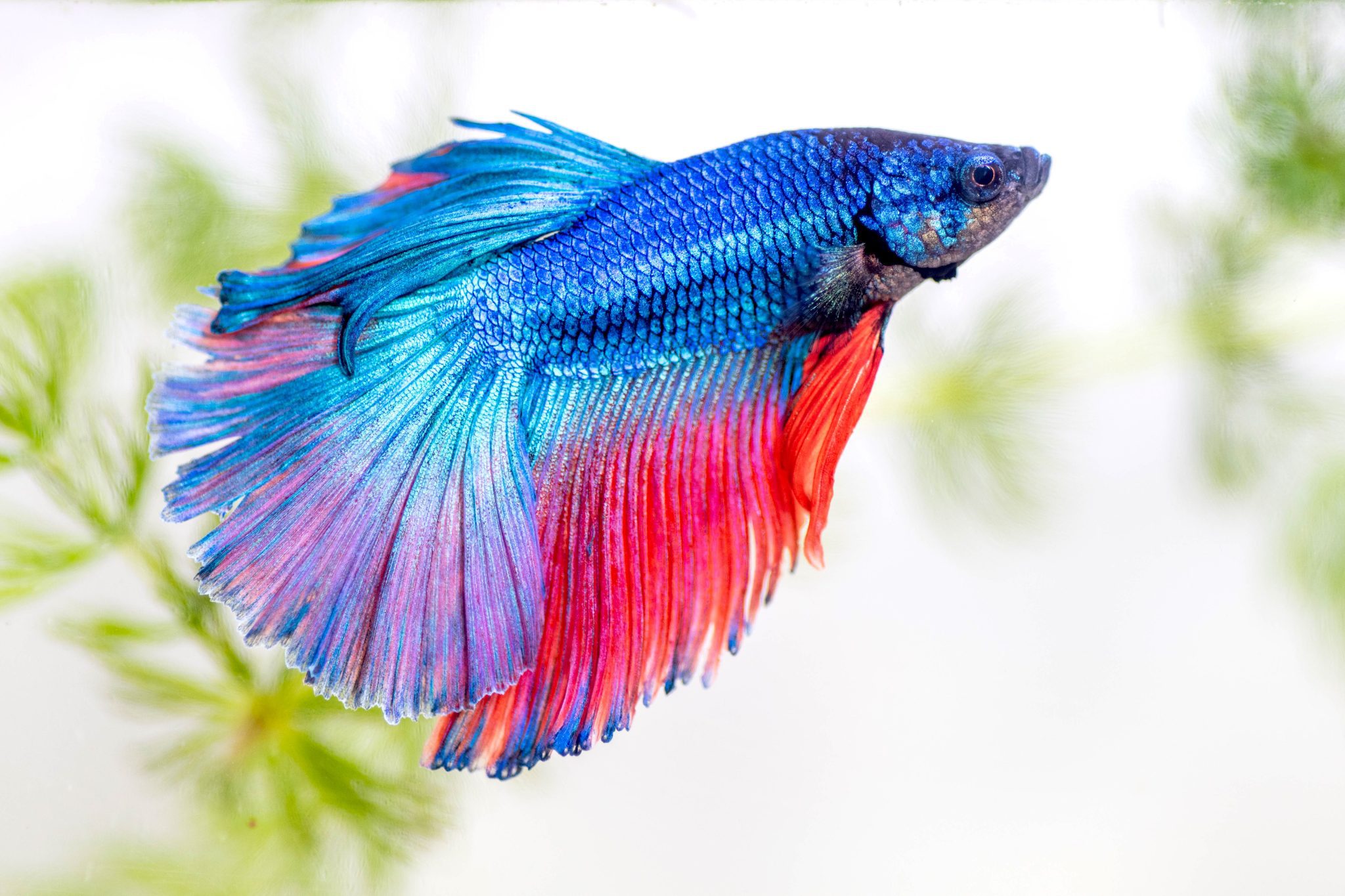
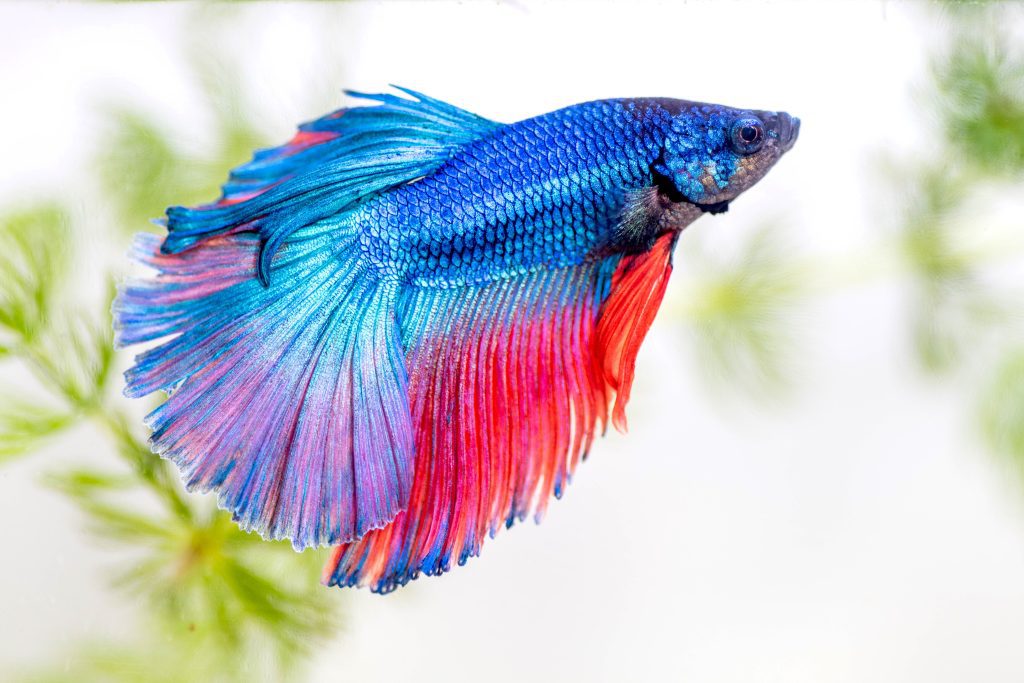
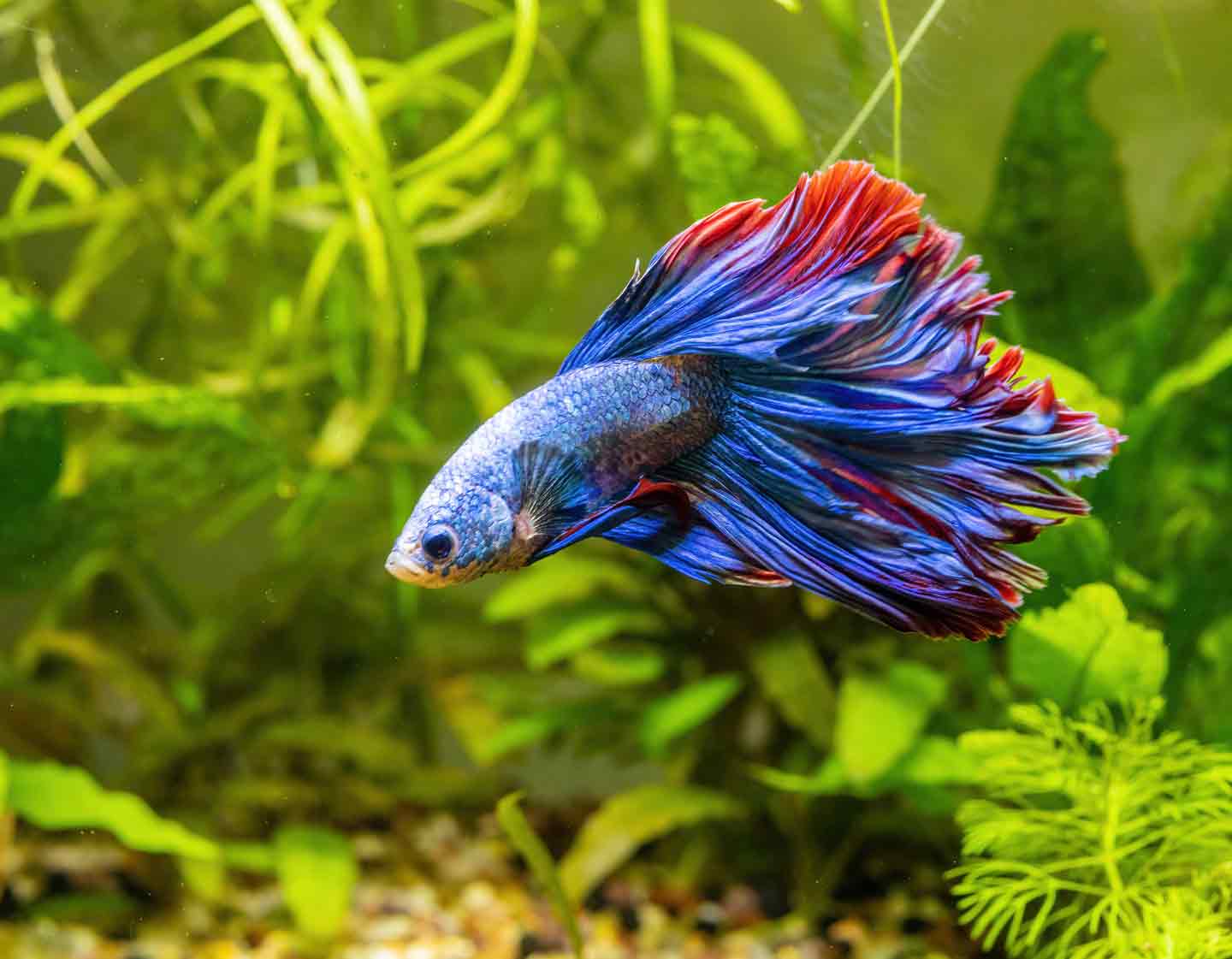
- Betta Splendens: Solo star fish. Heats well in 5–10 gallons. Avoid fin nippers.
- Pygmy Corydoras: Cute bottom dwellers. Schooling. Gentle and not messy.
- Kuhli Loach: Fun at night. Needs sand and hides. Keep a small group.
- Bristlenose Pleco: Best beginner pleco. Eats algae. Needs wood and fresh veg.
- Ricefish (various species): Hardy and calm. Cool or room temp. Great outdoors in summer in many regions.
- Mollies (for hard water): Active and bold. Prefer mineral-rich water. Skip if you have very soft water.
Skip fragile picks for now. Neon tetras, otocinclus, and fancy plecos often need mature tanks and careful feeding. They are not true low maintenance freshwater aquarium fish for most beginners.
Simple tank setup for low maintenance
A smart setup saves time every week. It also helps low maintenance freshwater aquarium fish stay healthy.
Use this base plan:
- Tank size: Aim for 10–20 gallons. Bigger water volume is more stable.
- Filter: Sponge or hang-on-back with gentle flow. Keep extra media for backup.
- Heater: Set to a stable range for your species. Use a reliable brand.
- Substrate: Sand or fine gravel. Easy to vacuum.
- Plants: Pick easy growers. Anubias, Java fern, hornwort, and floating plants are great.
- Lights: Simple LED on a timer. Eight hours per day is fine for most tanks.
- Water prep: Use a dechlorinator. Always match new water temperature.
I keep spare sponges in my filter. When I start a new tank, I move one over. It jump-starts the cycle and keeps stress low.

Water parameters and easy care routine
Stable water beats perfect water. Most low maintenance freshwater aquarium fish do well at pH 6.5–8.0. Many thrive at 72–78°F. White clouds and ricefish prefer cooler water.
Follow this simple routine:
- Test weekly for ammonia, nitrite, nitrate, and pH.
- Change 20–30% of water once a week.
- Clean the glass as needed.
- Squeeze filter sponges in old tank water. Do not rinse in tap water.
- Top off evaporated water with dechlorinated water.
Cycling matters. New tanks need time for bacteria to grow. Use bottled bacteria if you want to speed it up. Go slow with new fish. This keeps low maintenance freshwater aquarium fish healthy and active.

Feeding made easy
Keep food simple and varied. Most low maintenance freshwater aquarium fish do great on a staple pellet or flake. Add frozen or live foods once or twice a week.
Best habits:
- Feed what they can eat in 30–60 seconds.
- Small meals once or twice a day.
- One no-food day per week keeps digestion on track.
- Rotate foods to round out nutrition.
I keep a tiny spoon by the tank. It stops me from overfeeding. Less food means less waste and fewer water changes.
:strip_icc()/GettyImages-514967377-6c4e89ff56f542d092fe8a31b396c9be.jpg)
Stocking plans you can copy
Use these proven mixes. They keep care easy and the tank calm. These are great for low maintenance freshwater aquarium fish.
10-gallon easy community:
- 8 harlequin rasboras
- 6 pygmy corydoras
- 1 nerite snail
20-gallon planted show:
- 12 ember tetras
- 8 cherry barbs
- 1 honey gourami
- 6 kuhli loaches
5–10-gallon betta tank:
- 1 betta
- 6–8 ember tetras or small rasboras if the betta is calm
- 3–5 shrimp or 1 nerite snail if not hunted
Always watch behavior. If you see chasing or nipping, adjust the mix. A peaceful tank is the key to low maintenance.
Common mistakes and how to avoid them
Even hardy fish need smart care. Avoid these traps.
- Skipping the cycle: Add fish only after ammonia and nitrite are zero.
- Overfeeding: Causes cloudy water and algae. Feed less than you think.
- Overcrowding: Too many fish raises stress and waste. Stock slow.
- Mixing clashing species: Avoid fin nippers with long-finned fish.
- Ignoring water changes: Regular small changes beat rare big ones.
- Cleaning filters in tap water: This kills good bacteria. Use tank water.
I once added otocinclus before the tank matured. They starved. Lesson learned. Add sensitive species only to stable, algae-rich tanks. That is not low maintenance.
:strip_icc()/Mollie-5c1c19e946e0fb000152a5f9-2e6324f654f040c2abf65fbf8aa174f8.jpeg)
Myths and facts about easy fish
Let’s clear the air. Myths can cost fish lives.
- Myth: Goldfish are low maintenance. Fact: They grow large and make lots of waste. They need big tanks and heavy filtration.
- Myth: Bowls are fine. Fact: Small bowls swing fast and harm fish. Tanks with filters are safer.
- Myth: Water changes stress fish. Fact: Clean, matched water reduces stress and disease.
- Myth: More chemicals fix problems. Fact: Good habits and stable water fix most issues.
- Myth: All livebearers thrive anywhere. Fact: Many need hard, alkaline water to do well.
When unsure, test your tap water. Match fish to your water. This is the smartest path for low maintenance freshwater aquarium fish.
Budget and gear checklist
You can keep costs low. Buy solid basics and skip gimmicks.
- Tank: 10–20 gallons with lid.
- Filter: Sponge or hang-on-back with extra media.
- Heater: Sized for your volume with a guard.
- Light: Simple LED with timer.
- Test kit: Liquid tests for core parameters.
- Dechlorinator: Treat tap water every time.
- Thermometer: Check daily at a glance.
- Gravel vacuum and bucket: Make water changes fast.
- Foods: Quality pellet or flake, plus frozen daphnia or brine shrimp.
- Plants and hardscape: Easy, low-light choices.
These items help low maintenance freshwater aquarium fish thrive with less fuss. They also make your weekly routine fast.
Troubleshooting and early warning signs
Catch small issues early. Save yourself work later.
Watch for:
- Clamped fins, gasping, or flashing on décor.
- Cloudy water or sudden algae blooms.
- Lack of appetite or hiding.
Quick fixes:
- Test water at once. If ammonia or nitrite shows, change water now.
- Check the filter flow and clean sponges in tank water.
- Review feeding. Cut back if needed.
- Add extra aeration during heat waves.
Keep notes. A small log helps you spot patterns. This habit keeps low maintenance freshwater aquarium fish stable and happy.
Frequently Asked Questions of low maintenance freshwater aquarium fish
What tank size is best for low maintenance freshwater aquarium fish?
A 10–20 gallon tank is ideal. More water means more stability and less stress.
Are bettas truly low maintenance freshwater aquarium fish?
Yes, as a solo fish in a heated, filtered tank. Keep water warm and clean, and avoid fin nippers.
Do low maintenance freshwater aquarium fish need live plants?
No, but easy plants reduce algae and improve water. Try anubias, Java fern, or floaters.
How often should I feed low maintenance freshwater aquarium fish?
Feed once or twice daily in tiny amounts. Add a weekly fasting day to aid digestion.
Can I keep low maintenance freshwater aquarium fish without a heater?
Some species, like white clouds and certain ricefish, do fine in cool rooms. Most tropical fish still need a heater.
What water changes do low maintenance freshwater aquarium fish need?
Change 20–30% weekly for most tanks. Test water and adjust if nitrate rises.
Are snails helpful with low maintenance freshwater aquarium fish?
Yes, nerite snails eat algae and stay small. They help with clean-up but do not replace maintenance.
Conclusion
A calm, stable setup makes fish care easy. Pick hardy, peaceful species. Keep the tank simple, feed light, and change water each week. That is the whole game.
Start small and be steady. Choose species that match your tap water. Build a routine you can keep. Your low maintenance freshwater aquarium fish will reward you with color and motion every day.
Ready to dive deeper? Subscribe for more setup guides, proven stocking plans, and care tips. Have a question or a win to share? Drop a comment and join the conversation.