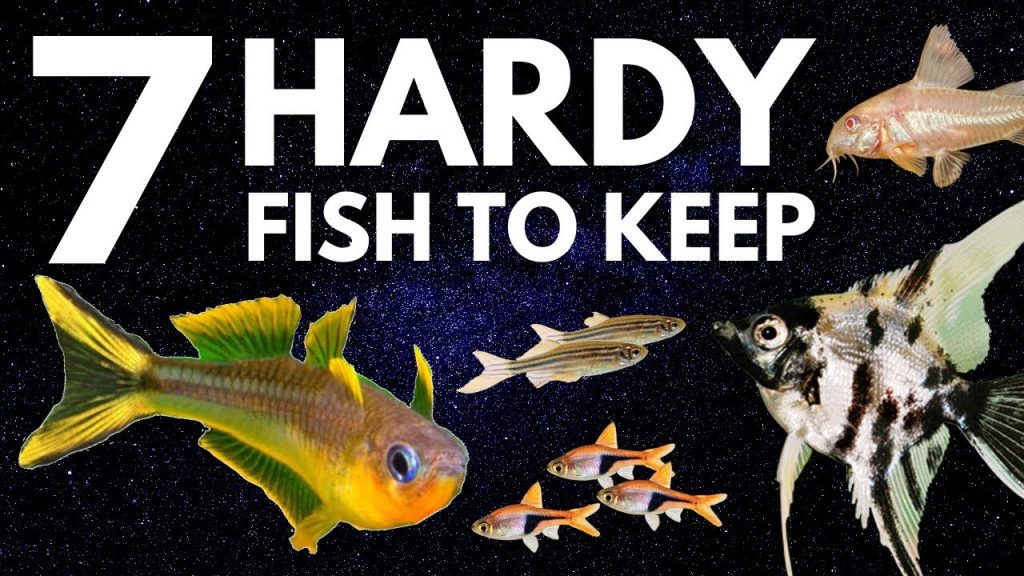
Hardy freshwater aquarium fish are resilient, low-maintenance species that forgive mistakes.
If you want a tank that thrives with less fuss, you’re in the right place. I’ve set up and rescued many beginner tanks, and the pattern is clear: hardy freshwater aquarium fish make learning easy, reduce stress, and still look amazing. This guide gives you expert picks, practical setups, real-world tips, and the science behind what makes a fish truly hardy. Read on to build a stable, beautiful aquarium that lasts.
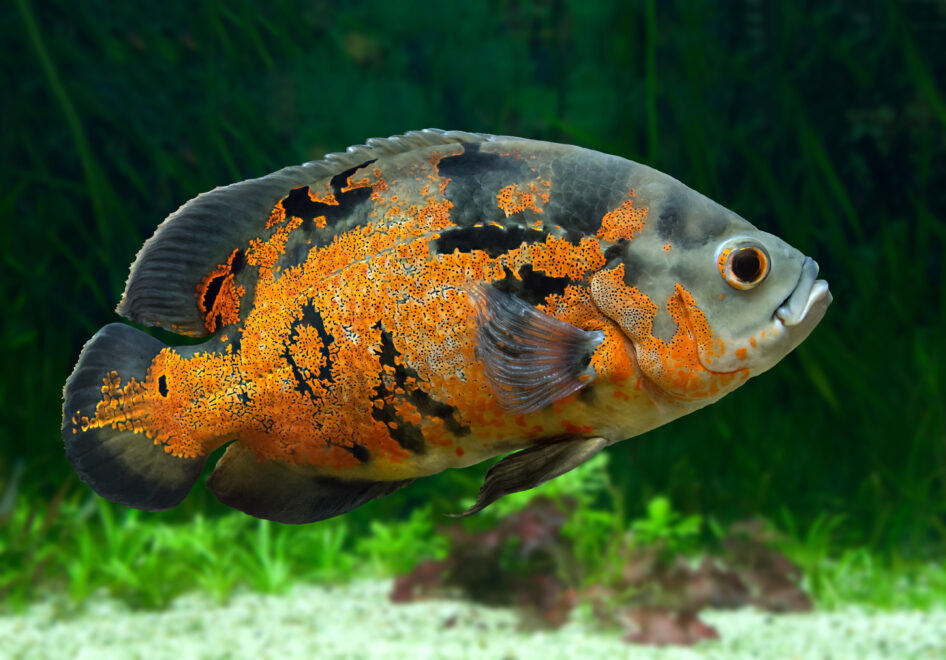
What Makes a Fish Hardy?
Hardy freshwater aquarium fish tolerate small swings in water quality, adapt to a range of foods, and resist common diseases. Hardiness is more than “doesn’t die easily.” It means the fish stays active, eats well, and keeps color even when conditions are not perfect.
Key traits of hardy species:
- Broad parameter tolerance Many thrive in pH 6.5–8.0, GH 4–12 dGH, KH 3–8 dKH, and 72–80°F.
- Peaceful temperament Calm fish reduce stress and injury in community tanks.
- Flexible diet Will eat flakes, pellets, frozen, and live foods.
- Captive-bred availability Captive-bred fish are often more adaptable and disease-resistant.
- Manageable size Fish under 4 inches fit common home tanks and filters.
A quick science note. The nitrogen cycle is vital. Ammonia turns into nitrite, then nitrate. Test weekly. Keep ammonia and nitrite at 0 ppm, and nitrate under 20–40 ppm with water changes. This is why hardy freshwater aquarium fish matter: they handle beginner bumps while the tank matures.
Personal note: My first 20-gallon had a heater failure. The zebra danios kept swimming like nothing happened. That resilience bought me time to fix the issue without losing fish.

Top Hardy Freshwater Aquarium Fish
These species are proven in beginner and community tanks. Always confirm adult size and stock with room to grow.
Zebra Danio
- Size 2 inches. Temperature 64–78°F. pH 6.5–8.0.
- Fast, playful, very forgiving. Keep in groups of 6+.
White Cloud Mountain Minnow
- Size 1.5 inches. Temperature 60–74°F.
- Great for unheated rooms. Peaceful and colorful.
Platy (including Mickey, wagtail, sunset)
- Size 2.5 inches. Temperature 72–80°F.
- Hardy livebearer. Adds constant motion and color.
Guppy and Endler’s Livebearer
- Size 1–2 inches. Temperature 72–80°F.
- Breed easily. Best with some plant cover for fry.
Swordtail
- Size 3–4 inches. Temperature 72–80°F.
- Active and robust. Males can spar; add space.
Molly (black, dalmatian, sailfin)
- Size 3–5 inches. Temperature 75–82°F.
- Loves harder, alkaline water. Great algae grazer.
Cherry Barb
- Size 2 inches. Temperature 72–79°F.
- Peaceful and bright. Schooling; keep 6+.
Harlequin Rasbora
- Size 1.8 inches. Temperature 72–80°F.
- Strong schooling fish. Great for planted tanks.
Corydoras (bronze, peppered, panda)
- Size 2–3 inches. Temperature 70–78°F.
- Bottom dwellers. Soft sand helps whiskers.
Bristlenose Pleco
- Size 4–5 inches. Temperature 72–80°F.
- Algae eater that stays small compared to common pleco.
Kuhli Loach
- Size 3–4 inches. Temperature 75–80°F.
- Hardy if provided hiding spots and smooth substrate.
Honey Gourami
- Size 2 inches. Temperature 74–82°F.
- Peaceful centerpiece fish. Avoid dwarf gourami if possible due to health issues.
Paradise Fish
- Size 3 inches. Temperature 68–78°F.
- Very hardy labyrinth fish. Can be semi-aggressive; plan tankmates wisely.
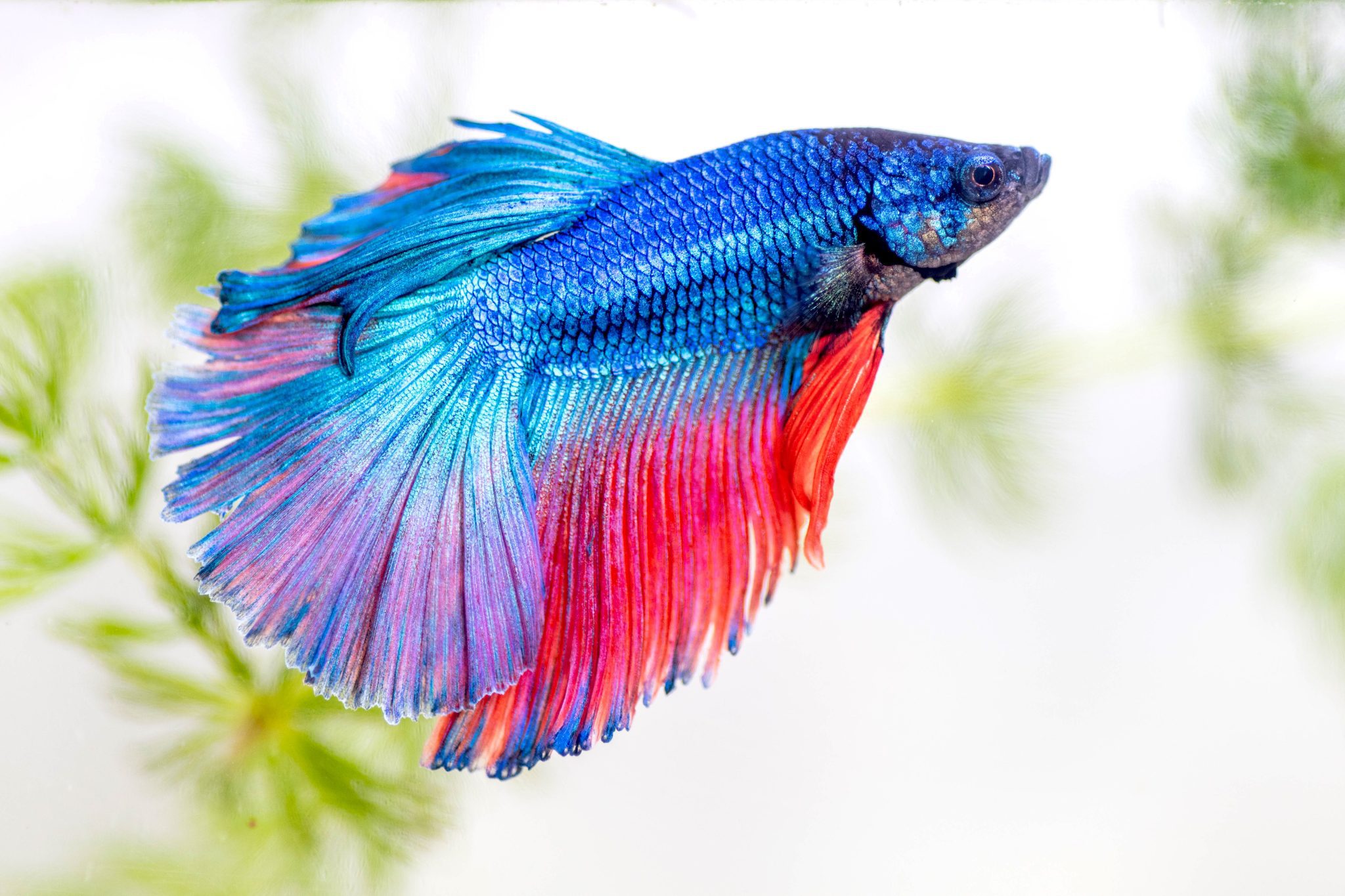
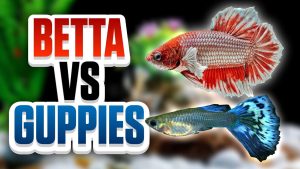
Betta Splendens
- Size 2.5–3 inches. Temperature 76–82°F.
- Hardy but needs gentle flow and warm, clean water. Avoid fin nippers.
Goldfish (comet, common, fancy)
- Very hardy but high waste. Needs large, cool tanks and strong filtration. Not for small tropical community tanks.
Tip: Mix species with similar temperature and temperament. That is the heart of a stress-free community of hardy freshwater aquarium fish.
:strip_icc()/starter-fish-1381258_FINAL-5baba81146e0fb0025389922.png)
Setting Up a Resilient Tank
Start right and your hardy freshwater aquarium fish will reward you for years.
Step-by-step setup:
- Choose tank size Larger water volume is more stable. Aim for 20 gallons or more if possible.
- Cycle the tank Fishless cycle with bottled bacteria and a pinch of food or pure ammonia. Wait for 0 ammonia, 0 nitrite, and rising nitrate.
- Use the right filter Aim for 5–10 times turnover per hour. Add a prefilter sponge to protect fry and shrimp.
- Heat and aerate Keep tropical tanks at 75–78°F. Use an air stone if your filter flow is gentle.
- Add plants Easy plants like Java fern, Anubias, hornwort, and floating plants help control nitrate and calm fish.
- Condition your water Use dechlorinator every time. Match temperature during water changes.
- Test weekly Ammonia, nitrite, nitrate, pH, GH, KH. Keep a simple log.
- Quarantine new fish 2–4 weeks if you can. It prevents most disease outbreaks.
Water change routine:
- Change 25–30 percent weekly.
- Vacuum light debris without over-cleaning.
- Rinse filter media in tank water, not tap, to preserve bacteria.
Personal insight: I keep a plant-heavy 29-gallon with platies, corys, and a bristlenose. Even when I missed a week of maintenance, parameters stayed stable and the fish never skipped a meal. Plants and hardy species do the heavy lifting.

Stocking Plans and Community Combos
These combos balance activity, color, and bioload. Always add fish slowly.
10-gallon easy starter
- 1 betta or 6–8 ember rasboras
- 6–8 cherry shrimp or a small snail crew
- Heavily planted and gentle flow
20-gallon long community
- 8–10 zebra danios or harlequin rasboras
- 6–8 corydoras (smaller species)
- 1 honey gourami as a calm centerpiece
- Optional 1 bristlenose pleco if algae develops
29–30-gallon bright and busy
- 10–12 cherry barbs
- 6–8 platies or swordtails
- 6–8 corydoras
- Nerite snails for algae control
40 breeder active mix
- 12 white clouds or rasboras
- 8–10 livebearers (guppy, Endler’s, platy)
- 10 corydoras
- 1 bristlenose pleco
- Floating plants for cover
Guidelines:
- Avoid the “inch per gallon” rule. Think in terms of adult size, behavior, and filtration.
- Keep schooling fish in groups of 6+ to reduce stress.
- Match temperature and temperament across the whole community.
These mixes use hardy freshwater aquarium fish that handle real-life bumps like late water changes or a missed test.
Feeding and Daily Care
A good diet builds resilience. Variety keeps immune systems strong.
Feeding basics:
- Feed small portions twice daily. Food should be gone in under two minutes.
- Rotate foods Quality flakes, micro-pellets, frozen brine shrimp, daphnia, and blanched veggies for plecos.
- Add a weekly fasting day It helps prevent bloating in livebearers and bettas.
- Supplement with live foods When possible, use baby brine shrimp for color and breeding condition.
Daily and weekly care:
- Daily Quick look for normal swimming, clear eyes, full fins, and appetite.
- Weekly Test water, prune plants, wipe glass, and change water.
- Monthly Deep check for filter flow, heater accuracy, and equipment wear.
From my tanks: My bristlenose pleco transformed a green film outbreak in a week, then switched to zucchini rounds. Balanced feeding stopped the algae from returning.
Hardy freshwater aquarium fish reward consistent, simple care more than fancy gadgets.

Health, Quarantine, and Disease Prevention
Even hardy freshwater aquarium fish get sick under stress. Prevention is easier than cure.
Quarantine plan:
- Use a spare 10–20-gallon with a sponge filter and heater.
- Observe for 2–4 weeks. Feed well. Watch for white spots, clamped fins, flashing, or lethargy.
Common issues:
- Ich Small white spots, itching. Raise temperature slowly to 80–82°F for tropical fish and treat with salt or an ich med per label.
- Fin rot Frayed fins. Improve water quality and treat with antibacterial meds if needed.
- Columnaris Cottony patches, rapid onset. Keep water cool within range and medicate promptly.
- Internal parasites Stringy white poop, weight loss. Use a proven dewormer.
Fast response checklist:
- Test water first. Fix ammonia and nitrite before medicating.
- Increase oxygen. Add air stone during treatments.
- Treat the right fish. Some meds harm snails and shrimp.
Expert consensus shows that stable water, quarantine, and early treatment cut losses by most of the risk. Hardy freshwater aquarium fish still need this baseline to shine.

Breeding Basics for Hardy Species
Many hardy freshwater aquarium fish breed with simple setups.
Livebearers (guppy, platy, molly, Endler’s)
- Add plants or spawning mops for cover.
- Females drop fry every 4–6 weeks. Separate fry for better survival.
Corydoras
- Condition with frozen foods.
- Trigger spawning with a cool water change and strong aeration.
- Collect eggs and raise in a separate tank to protect from adults.
Bristlenose Pleco
- Provide caves and steady driftwood.
- Males guard eggs. Feed fry blanched veggies and wafers.
Rasboras and danios
- Egg scatterers. Use a mesh or marbles on the bottom so eggs fall out of reach.
- Remove adults after spawning.
Breeding proves your tank is stable. It also teaches you more than any guide ever could.
Common Mistakes and Quick Fixes
These are the traps I see most often, even with hardy freshwater aquarium fish.
Mistakes to avoid:
- Skipping the cycle Fish struggle in ammonia or nitrite. Do a fishless cycle first.
- Overstocking Too many fish overwhelm filtration. Add slowly and test weekly.
- Mixing wrong temperatures Keep tropical and coolwater species separate.
- Overcleaning filters Rinse media in tank water only. Preserve bacteria.
- Chasing pH Stability beats a perfect number. Avoid sudden chemical swings.
- Feeding too much Uneaten food raises nitrate and fuels algae.
Quick fixes:
- Emergency water change 50 percent if ammonia or nitrite show up.
- Add extra aeration During heat waves or medication.
- Use more plants Fast growers like hornwort help soak up nitrate.
Budget, Sourcing, and Ethics
Where and how you buy matters for hardy freshwater aquarium fish.
Sourcing tips:
- Choose captive-bred when possible. Fewer parasites and better adaptation.
- Inspect fish before buying Clear eyes, full fins, no labored breathing.
- Ask stores about their water. Matching parameters reduces shock.
- Avoid dyed or modified fish Ethical and healthier in the long run.
Budget snapshot:
- Starter gear Tank, filter, heater, light, test kit, dechlorinator, and net.
- Ongoing costs Food, water conditioner, replacement media, and electricity.
- Save money Buy used tanks locally and invest in a good test kit upfront.
Ethics and sustainability:
- Never release fish into the wild.
- Support responsible breeders and stores.
- Use timers and efficient lights to cut energy use.
Doing right by your fish makes the hobby better for everyone.
Frequently Asked Questions
What are the easiest hardy freshwater aquarium fish for beginners?
Zebra danios, white cloud minnows, platies, and cherry barbs are great starters. They adapt well, eat most foods, and stay peaceful in community tanks.
Can I keep hardy fish without a heater?
Yes, some hardy fish like white cloud minnows and goldfish do fine unheated. Check your room temperature and pick species that match it.
How many fish can I keep in a 20-gallon tank?
A balanced mix is 8–10 small schooling fish plus 6 corydoras. Add slowly, test weekly, and watch behavior to avoid crowding.
Do hardy fish still need a cycled tank?
Absolutely. Hardiness helps, but ammonia and nitrite still harm fish. Cycle first, then stock gradually.
What temperature is best for most hardy freshwater aquarium fish?
Most tropical hardy fish do well at 75–78°F. White clouds and goldfish prefer cooler water, so do not mix them with tropicals.
Are bettas considered hardy freshwater aquarium fish?
Yes, bettas are hardy if kept warm with gentle flow and clean water. Avoid fin-nipping tankmates and provide cover.
Which hardy fish help with algae?
Bristlenose plecos, nerite snails, and some livebearers graze algae. They support, but do not replace, regular maintenance.
Conclusion
Pick the right species, cycle your tank, and keep a simple routine. With hardy freshwater aquarium fish, small, steady habits return big results: stable water, bright color, and natural behavior. Start with a forgiving community, add plants, and build confidence one good water change at a time. Ready to set up your first tank or upgrade your current one? Subscribe for more guides, ask questions in the comments, and share your stocking plan so we can fine-tune it together.