
Imagine transforming your freshwater fish tank into a thriving ecosystem that’s not only visually stunning but also self-sustaining. Freshwater fish tank snails can be your secret weapon in achieving this aquatic harmony.
These tiny yet mighty creatures play a vital role in maintaining a healthy environment for your fish. But choosing the right snails and understanding their benefits can feel overwhelming. Why should you consider them for your tank? How do they contribute to a balanced aquarium?
By the end of this article, you’ll have all the answers, giving you the confidence to enhance your aquatic world with the perfect snail companions. Dive in and discover how these fascinating creatures can make your tank sparkle like never before!

Types Of Freshwater Snails
Freshwater fish tank snails can be a great addition to your aquarium. They are not just fascinating to watch but also helpful in maintaining tank cleanliness. These snails come in various types, each offering unique characteristics and benefits. Understanding the different types of freshwater snails can help you choose the right ones for your aquarium.
Common Species
Some freshwater snails are more popular due to their ease of care and availability. Here are a few common species:
- Apple Snail: Known for their large size and vibrant colors, apple snails are easy to spot in any tank. They help clean algae and dead plant material.
- Nerite Snail: These snails are popular for their beautiful shell patterns. They are excellent at algae cleaning and do not reproduce in freshwater, making them easy to manage.
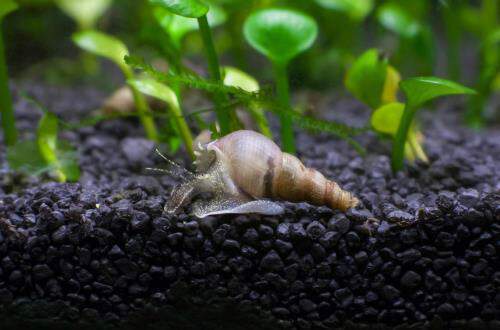
- Ramshorn Snail: Recognizable by their spiral shells, ramshorn snails are effective in keeping aquariums free of algae and leftover food.
Here is a quick comparison table:
| Species | Size | Benefit |
|---|---|---|
| Apple Snail | Up to 6 inches | Algae and debris cleaner |
| Nerite Snail | 1-2 inches | Algae cleaner |
| Ramshorn Snail | Up to 1 inch | Algae and leftover food cleaner |
Rare Varieties
For those interested in rare types, there are some unique snails worth considering:
- Assassin Snail: With striking colors, assassin snails are unique. They feed on other snails, making them useful if there’s an overpopulation.
- Rabbit Snail: Known for their elongated shells and slow movement. They add a distinct look to any tank.
- Bumblebee Snail: These snails have a striking yellow and black pattern. They are small but offer excellent algae cleaning.
Here is a simple table for comparison:
| Species | Size | Benefit |
|---|---|---|
| Assassin Snail | 1-2 inches | Controls snail population |
| Rabbit Snail | Up to 5 inches | Unique aesthetic |
| Bumblebee Snail | Up to 1 inch | Algae cleaner |
Choosing the right snail can enhance both the beauty and health of your aquarium. Consider both common and rare species to suit your tank’s needs and your personal taste.
Benefits Of Snails In Fish Tanks
Freshwater fish tank snails are often overlooked, yet they play a vital role in maintaining a healthy aquarium. These small creatures offer numerous advantages that enhance the environment for both fish and plant life. Incorporating snails into your tank can lead to a balanced ecosystem, reducing the need for frequent cleaning. Let’s explore the benefits of snails in fish tanks.
Algae Control
Algae can quickly become a nuisance in any aquarium. Snails are natural algae eaters, helping to keep this pesky plant growth under control. They constantly graze on algae, cleaning surfaces like the tank walls, decorations, and plants. This reduces the time you need to spend on manual cleaning.
- Snails such as the Nerite and Ramshorn are particularly effective at consuming various types of algae.
- They can access tight spaces that are difficult for other creatures to reach.
By adding snails, you create a natural cleaning crew that works around the clock. This maintains a clean and clear aquarium. The table below highlights some popular algae-eating snails and their attributes:
| Snail Type | Algae Consumption | Compatibility |
|---|---|---|
| Nerite Snail | High | Peaceful with most fish |
| Ramshorn Snail | Moderate | Good with plants and fish |
| Trumpet Snail | Low | Excellent with soft substrates |
Waste Management
Snails contribute significantly to waste management in fish tanks. They feed on leftover fish food, decaying plant matter, and dead fish. This reduces waste buildup and keeps water quality high.
Here’s how snails help in waste management:
- Breaking down organic matter: Snails consume uneaten food, which can decompose and release toxins.
- Reducing ammonia levels: By eating decaying matter, snails limit ammonia production, which is harmful to fish.
- Supporting beneficial bacteria: Snails help maintain a balance of bacteria that break down waste products.
This natural filtration system promotes a healthier environment for your aquatic life. Snails ensure that the tank remains clean without the constant need for human intervention.
Tank Aesthetics
Snails add a unique charm to aquariums. Their varied shapes, sizes, and colors enhance the visual appeal of the tank. Watching them glide gracefully can be mesmerizing.
Consider these aesthetic benefits:
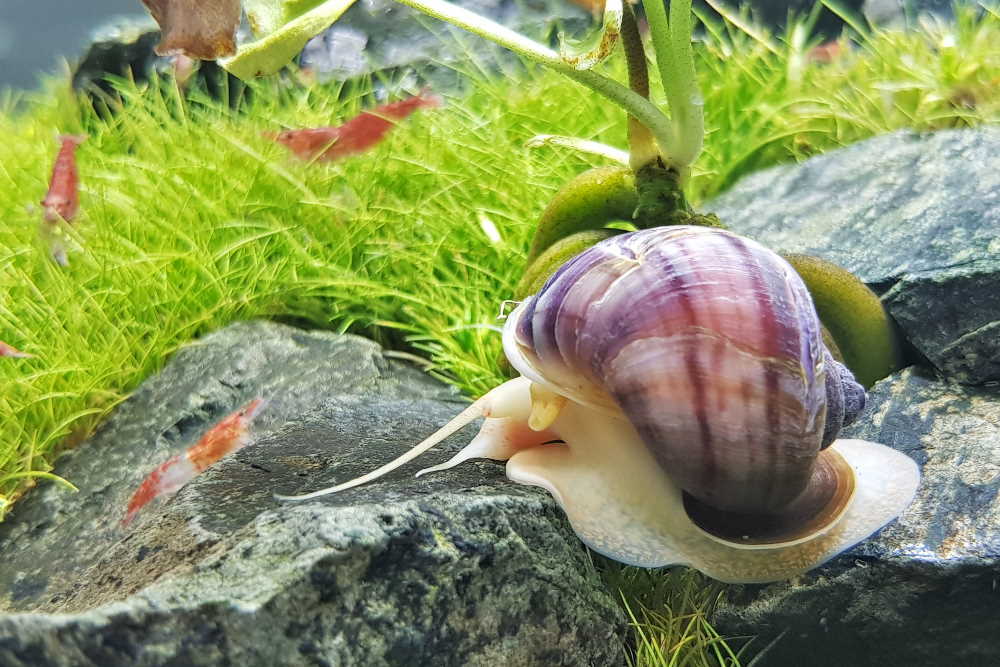
- Diverse appearances: Snails like the Mystery Snail offer vibrant colors, ranging from gold to blue.
- Natural movements: Their slow and deliberate motion adds tranquility to the tank environment.
- Complement to plants: Snails often blend beautifully with aquatic plants, creating a natural look.
Snails not only keep your tank clean but also make it more visually appealing. They offer a peaceful and serene vibe that enhances the overall aquarium experience.
Snail Care And Maintenance
Freshwater fish tank snails are fascinating creatures that add life to any aquarium. They help clean the tank by eating algae and leftover food. Proper care and maintenance ensure they thrive and remain healthy. This involves understanding their living conditions, feeding needs, and health monitoring. Let’s dive into the essentials of snail care to keep your tank snails happy.
Optimal Conditions
Creating the right environment for freshwater snails is crucial. They thrive in specific water conditions that mimic their natural habitat. Here are the key factors:
- Water Temperature:Maintain a temperature between 70-78°F (21-26°C).
- pH Level:Keep the pH level around 7.0-8.0.
- Water Hardness:Snails prefer hard water, with a calcium content of 150-250 ppm.
Ensuring these conditions can prevent shell erosion and other health issues. Also, keep the tank clean but avoid using harsh chemicals. A table summarizing these conditions can be handy:
| Condition | Optimal Range |
|---|---|
| Temperature | 70-78°F (21-26°C) |
| pH Level | 7.0-8.0 |
| Water Hardness | 150-250 ppm |
Feeding Guidelines
Feeding snails is straightforward, but understanding their diet is essential. They are natural scavengers and will eat various organic materials. Here’s what you can feed them:
- Algae:The main food source for most snails.
- Vegetables:Blanched spinach, lettuce, and zucchini.
- Fish Food:Leftover pellets or flakes.
- Calcium Supplements:To support shell health, consider adding calcium-rich foods or cuttlebone.
Feed them small amounts once or twice a day. Overfeeding can lead to water pollution. Monitor how much they consume and adjust accordingly. A varied diet will keep them healthy and active.
Health Monitoring
Keeping your snails healthy requires regular monitoring. Watch for signs of illness or stress. Here are a few things to keep an eye on:
- Shell Condition:Cracks or pits may indicate calcium deficiency.
- Activity Level:A sluggish snail might be unwell.
- Body Color:Discoloration can signal health issues.
Regularly check the water parameters. Improper conditions can lead to stress and illness. If you notice any unusual behavior, test the water and adjust as needed. Healthy snails will be active, have intact shells, and show vibrant colors. Stay proactive, and your snails will flourish.

Tank Compatibility
Freshwater fish tank snails bring a unique charm to aquariums, acting as helpful cleaners while adding an exotic touch. But understanding their compatibility with tank mates is crucial for maintaining a harmonious aquatic environment. Snails are generally peaceful creatures, but their interactions with fish can vary. Ensuring compatibility involves knowing which fish species coexist peacefully with snails and recognizing potential threats. This knowledge helps create a balanced and thriving aquarium.
Compatible Fish
Choosing the right fish for your snail-friendly tank enhances both beauty and balance. Many exotic freshwater fish coexist well with snails. Their peaceful nature makes them ideal companions. Here are some compatible fish:
- Neon Tetras:These vibrant, small fish are peaceful and don’t bother snails.
- Guppies:Known for their colorful tails, guppies coexist well with snails.
- Corydoras Catfish:These bottom dwellers are gentle and ignore snails.
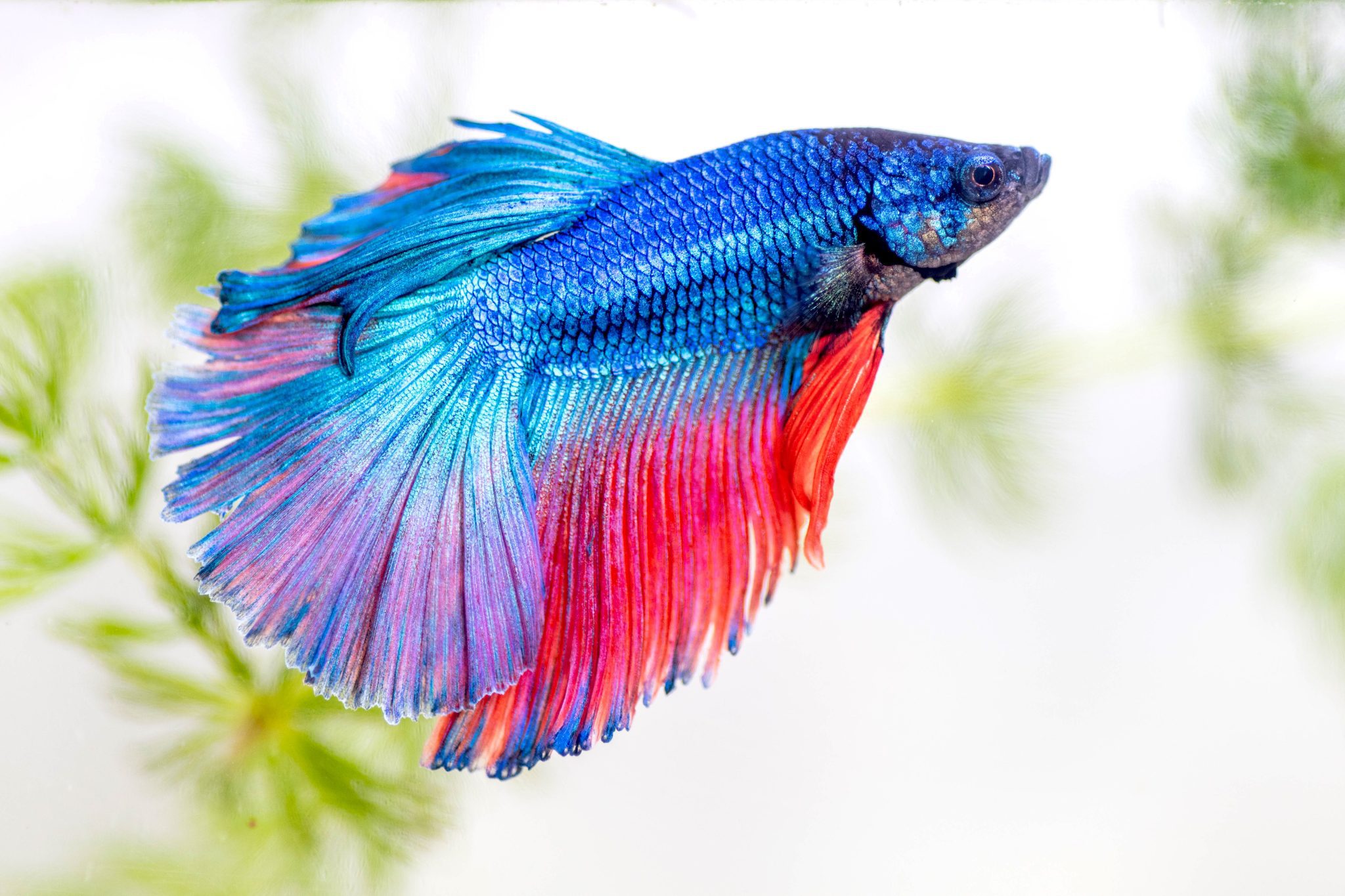
- Betta Fish:Betta fish can coexist with snails, but monitor for aggression.
It’s important to maintain a balanced tank environment. Consider the following factors:
| Fish Type | Behavior |
|---|---|
| Neon Tetras | Peaceful, schooling fish |
| Guppies | Social, active |
| Corydoras Catfish | Bottom feeders, gentle |
| Betta Fish | Territorial, monitor interactions |
Potential Threats
While snails can coexist with many fish, some species pose threats. Understanding potential dangers can prevent harm to your snails. Here are some fish that might pose risks:
- Cichlids:Known for their aggressive nature, they might attack snails.
- Loaches:These fish often see snails as food and can decimate populations.
- Pufferfish:Pufferfish are notorious snail hunters.
- Goldfish:Their voracious appetite may harm snails.
To safeguard snails, consider these strategies:
- Monitor fish behavior regularly to detect aggression early.
- Provide hiding spots for snails using rocks or plants.
- Choose fish with similar water temperature and pH needs.
Creating a safe environment for snails ensures their well-being and your tank’s health.
Breeding Freshwater Snails
Freshwater fish tank snails are fascinating creatures that add life and color to aquariums. Their unique behaviors and ability to help maintain the tank’s cleanliness make them popular among aquarium enthusiasts. Breeding freshwater snails can be a rewarding experience, allowing you to observe the entire life cycle, from egg to adult snail. Understanding the right conditions and care needed for breeding can help ensure healthy offspring and a thriving snail population.
Breeding Conditions
Creating the perfect environment is essential for breeding freshwater snails successfully. These creatures thrive in specific conditions that mimic their natural habitat. Here are some key factors to consider:
- Temperature:Maintain a temperature between 70°F and 80°F. This range supports optimal growth and reproduction.
- Water Quality:Ensure clean, well-filtered water. Regular water changes help keep nitrate levels low.
- pH Level:A pH level between 7.0 and 8.0 is ideal. Use a pH test kit to monitor levels regularly.
- Substrate:Choose a substrate that allows easy burrowing. Sand or fine gravel works well.
Snails need calcium for shell development. A lack of calcium can lead to weak shells, affecting their health. Consider adding crushed coral or calcium supplements to the tank. Provide hiding spots with plants or decorations. This offers a sense of security, encouraging natural breeding behaviors.
Egg Care
Caring for snail eggs is crucial for successful breeding. After laying eggs, snails often deposit them on tank surfaces or plant leaves. Proper care ensures healthy hatching. Here’s how you can manage snail egg care effectively:
- Identify Egg Clutches:Recognize the translucent or jelly-like clusters in your tank.
- Maintain Humidity:Eggs require moisture to prevent drying out. Keep the tank covered to retain humidity.
- Monitor Temperature:Consistent temperature supports egg development. Avoid drastic changes.
- Prevent Disturbance:Minimize tank cleaning near egg sites to reduce stress.
- Observe Development:Watch for changes in egg appearance, indicating progress toward hatching.
Eggs generally hatch within two to four weeks. During this period, avoid introducing new tank mates that may prey on eggs. Once hatched, juvenile snails benefit from algae and biofilm, aiding their growth. Providing a balanced environment will help you enjoy a thriving snail population.

Common Problems And Solutions
Freshwater fish tank snails are intriguing creatures. They are often introduced to tanks for their algae-eating abilities. Yet, they can bring challenges too. Understanding common problems and solutions is crucial. This helps maintain a balanced aquatic environment. Let’s explore some frequent issues you might encounter with tank snails.
Overpopulation
Snail overpopulation is a frequent issue in freshwater tanks. Snails reproduce rapidly, leading to overcrowded tanks. This problem can arise from overfeeding fish, which leaves excess food for snails. Too many snails affect water quality and aesthetics.
Here are some effective solutions:
- Reduce Feeding:Feed fish only what they can eat in a few minutes. This limits food availability for snails.
- Manual Removal:Regularly check the tank and remove excess snails by hand.
- Introduce Predators:Consider adding fish that eat snails. What freshwater fish eat snails? Clown loaches and certain puffers are good options.
- Snail Traps:Use snail traps available at pet stores to control the population.
Below is a simple table summarizing these solutions:
| Solution | Description |
|---|---|
| Reduce Feeding | Limits excess food for snails. |
| Manual Removal | Physically remove snails from the tank. |
| Introduce Predators | Add fish that naturally consume snails. |
| Snail Traps | Capture snails using specialized traps. |
Pest Species
Not all snails are beneficial to your tank. Some species are considered pests. Pest snails often hitchhike into tanks on plants or decor. They can consume plants and outcompete beneficial snails for resources.
To manage pest snails, consider these strategies:
- Quarantine New Additions:Before adding new plants or decor, quarantine them to prevent snail introduction.
- Inspect and Clean:Thoroughly rinse new plants under running water to remove snails and eggs.
- Use Biological Control:Certain fish species are known to eat pest snails. What freshwater fish eat snails? Gouramis and bettas are effective choices.
- Chemical Treatments:Use snail-specific treatments sparingly. These can harm other aquatic life.
It’s important to regularly monitor the tank. This helps identify and address pest snail issues swiftly. Keeping a balance ensures a healthy and thriving aquarium.
Setting Up A Snail-friendly Tank
Freshwater fish tank snails are fascinating creatures that add a unique charm to aquariums. They are more than just decorative elements; snails play a vital role in maintaining the ecosystem of a tank. Before introducing snails to your tank, it’s crucial to create an environment where they can thrive. Setting up a snail-friendly tank involves careful planning and consideration of the substrate, plants, and overall water conditions. This ensures your snails live happily and contribute positively to your aquarium’s health.
Substrate Choices
Choosing the right substrate is essential for creating a comfortable habitat for freshwater snails. The substrate serves as the foundation of your tank, influencing the snails’ ability to move and feed effectively. Here are key considerations for selecting the ideal substrate:
- Smooth Texture:Opt for substrates with a smooth texture to prevent damage to snail shells.
- Gravel Size:Small gravel or sand is preferable. Large rocks can trap snails and make movement difficult.
- Nutrient-Rich Options:Consider substrates that support plant growth. Plants benefit from nutrient-rich substrates, helping create a balanced environment.
A simple comparison table can help you choose:
| Type | Advantages | Disadvantages |
|---|---|---|
| Sand | Easy for snails to move, supports plant roots | Can compact over time |
| Gravel | Good for filtration, available in various sizes | May trap snails |
| Plant Substrate | Rich in nutrients, promotes plant growth | Usually more expensive |
Plant Selection
Plants are crucial in a snail-friendly tank. They provide shelter, food, and contribute to water quality. Choosing the right plants enhances the snails’ environment, offering them places to hide and materials to graze on. Consider the following plant options:
- Anubias:Hardy and low maintenance. Its broad leaves offer ample space for snails to rest.
- Java Fern:Thrives in various conditions. Snails enjoy grazing on its leaves.
- Hornwort:Ideal for tanks with snails. It floats and provides cover without needing substrate anchoring.
While selecting plants, think about:
- Growth Rate:Fast-growing plants can quickly enhance tank aesthetics and water quality.
- Compatibility:Ensure plants can coexist with snails and other tank inhabitants.
- Maintenance:Choose plants that require minimal care to keep the tank easy to manage.
Proper plant selection not only benefits snails but also improves the overall health of the aquarium.
Interesting Facts About Snails
Freshwater fish tank snails are fascinating creatures. They bring life to aquariums with their unique habits and characteristics. Understanding these snails can be a delightful journey. Their intriguing behaviors and roles in the ecosystem are worth exploring. Let’s dive into some interesting facts about these snails.
Lifespan
Freshwater snails have varying lifespans. Some live for just a year, while others can survive for up to five years. Their lifespan depends on the species and living conditions. Here’s a breakdown of factors affecting their longevity:
- Species:Different species have different lifespans. Mystery snails often live longer than bladder snails.
- Water Quality:Clean, stable water prolongs snail life. Poor conditions can shorten it.
- Diet:Balanced nutrition supports health and longevity. Ensure they have access to algae and plant matter.
Here’s a simple table showcasing average lifespans:
| Species | Average Lifespan |
|---|---|
| Mystery Snail | 3-5 Years |
| Ramshorn Snail | 1-2 Years |
| Pond Snail | 1-2 Years |
Understanding lifespan helps in caring for these snails. Provide optimal conditions for a healthier, longer life.
Behavioral Traits
Snails exhibit fascinating behaviors. Their slow pace and curious movements add charm to aquariums. Here are some notable traits:
- Nocturnal Activity:Many snails are active at night. They prefer dark environments to explore and feed.
- Algae Consumption:They play a vital role in cleaning tanks. Consuming algae helps maintain water quality.
- Shell Maintenance:Snails regularly maintain their shells. They retract into them for protection.
Snails often move in search of food or better conditions. They use a muscular foot to glide along surfaces. Watching them navigate obstacles is a treat. Their antennae help sense surroundings, enhancing their exploration. Snails are peaceful and coexist well with other tank inhabitants. Understanding their behaviors enriches the aquarium experience.

Frequently Asked Questions
Are Snails Bad For A Freshwater Tank?
Snails can be beneficial or problematic in freshwater tanks. They help clean algae and debris but may overpopulate. Some species damage plants or clog filters. It’s essential to choose suitable snails and monitor their numbers. Regular maintenance and predator fish can help control their population.
What Kind Of Snails For Freshwater Tank?
Choose Mystery, Nerite, or Malaysian Trumpet snails for your freshwater tank. These snails help control algae and clean debris. They are peaceful and easy to care for, making them ideal for beginners. Avoid aggressive or pest species to maintain a healthy tank environment.
What Are The Disadvantages Of Snails In Aquariums?
Snails can overpopulate aquariums, leading to excessive waste production. They might consume live plants, causing damage. Some species carry parasites harmful to fish. Their shells can scratch aquarium surfaces, and they might clog filters. Regular monitoring and control are necessary to prevent these issues in your tank.
Do Freshwater Snails Keep Tanks Clean?
Freshwater snails help maintain tank cleanliness by consuming algae, leftover food, and detritus. They contribute to a balanced ecosystem, reducing waste buildup. Snails can’t replace regular tank maintenance, but they assist in keeping water conditions healthier. Choose species wisely, as some may reproduce rapidly, potentially affecting tank balance.
Conclusion
Freshwater fish tank snails can enhance your aquarium’s health and beauty. They help clean algae and debris, making maintenance easier. Snails also provide natural food for some fish species. Choosing the right snail type is important. Consider your tank size and fish compatibility.
Remember to monitor snail populations to prevent overgrowth. A balanced tank creates a thriving environment for all. Snails are a great addition to any freshwater setup. Their unique traits and benefits make them valuable companions. Enjoy the vibrant underwater world they help create.
Keep exploring options to find the perfect snail for your aquarium.