
Imagine a living piece of mystery and wonder right in your own home. Freshwater eels can transform your fish tank into an enchanting underwater world.
These fascinating creatures captivate with their snake-like appearance and curious behavior. If you’ve ever thought about adding a unique touch to your aquatic setup, you’re in the right place. This guide is crafted to help you discover why freshwater eels might be the perfect addition to your fish tank.
Dive in to uncover how these captivating creatures can enrich your aquarium experience and learn the secrets to keeping them happy and healthy.

Choosing The Right Eel
Freshwater eels can be a captivating addition to your fish tank. Their unique appearance and intriguing behavior often make them a favorite among aquarists. Choosing the right eel for your tank is crucial for ensuring a harmonious aquatic environment. Consider species, size, and compatibility to make an informed decision.
Popular Species
Several species of freshwater eels are popular among fish enthusiasts. Each offers unique characteristics and care requirements:
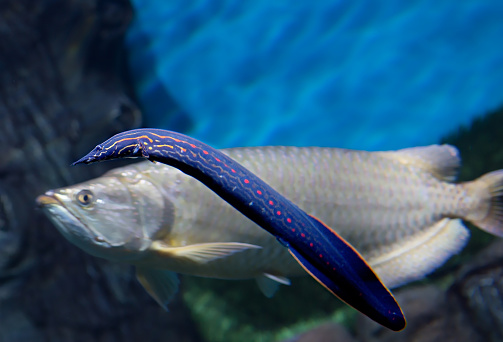
- Peacock Eel:Known for its eye-catching spots, it is relatively easy to care for.
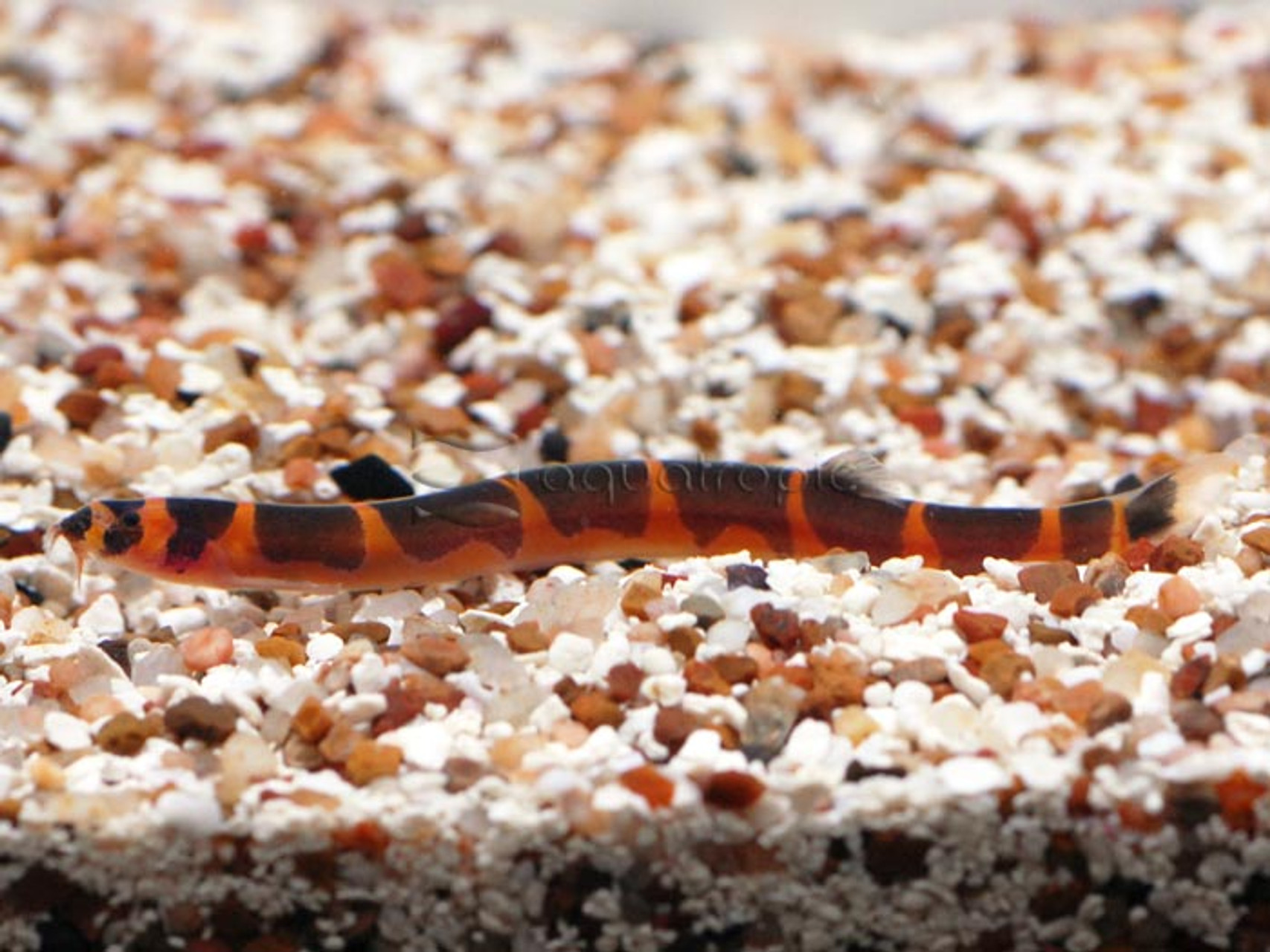
- Fire Eel:This species boasts vibrant colors and can grow quite large.
- Zebra Eel:Its striped pattern makes it a visually appealing choice.
Here’s a quick comparison of these species:
| Species | Max Size | Temperament | Care Level |
|---|---|---|---|
| Peacock Eel | 12 inches | Peaceful | Easy |
| Fire Eel | 36 inches | Semi-aggressive | Moderate |
| Zebra Eel | 24 inches | Peaceful | Moderate |
Size Considerations
Size plays a vital role in selecting the right eel. Freshwater eels vary greatly in size. This impacts tank size and habitat setup:
Tank Size:Larger eels require bigger tanks. A small tank can stress and harm them.
- Peacock Eel: Suitable for medium-sized tanks.
- Fire Eel: Needs a large tank due to its potential size.
- Zebra Eel: Requires a spacious tank to thrive.
Growth Rate:Some eels grow rapidly, needing regular tank upgrades. Consider the growth rate when planning your aquarium.
Proper space ensures healthy eels and prevents aggression or stress. Always plan for the maximum size of your eel to maintain a healthy aquatic environment.
Compatibility With Other Fish
Eels can coexist with various fish species, but compatibility is key to a peaceful tank:
Temperament:Some eels are more aggressive. Choose species that match the temperament of existing fish.
- Peaceful Eels: Peacock and Zebra eels are generally docile.
- Semi-aggressive Eels: Fire eels may show aggression with smaller fish.
Tankmates:Ideal companions include:
- Large, peaceful fish such as Gouramis.
- Bottom dwellers like Corydoras and Plecos.
- Avoid small fish that could be seen as food.
Understanding eel behavior and needs ensures a harmonious aquarium. Research and careful planning lead to a vibrant and balanced aquatic community.
Tank Setup Essentials
Freshwater eels are fascinating, cool freshwater fish that can add a unique charm to your aquarium. Proper tank setup is crucial to ensure their health and happiness. Understanding the tank setup essentials is key to creating a thriving environment for these intriguing creatures. Let’s dive into the vital components of setting up a tank for freshwater eels.
Ideal Tank Size
Choosing the right tank size is essential for your freshwater eels. These cool freshwater fish require ample space to swim and explore. A spacious tank allows them to exhibit natural behaviors, reducing stress and promoting health.
Recommended tank sizes:
- Small eels (up to 12 inches): Minimum 30-gallon tank
- Medium eels (12-24 inches): Minimum 55-gallon tank
- Large eels (over 24 inches): Minimum 75-gallon tank
Eels are known for their curious nature. They often explore every nook and cranny. Providing them with plenty of room is vital. A larger tank also helps maintain stable water conditions, which is crucial for their well-being.
A bigger tank may seem like a large investment initially, but it pays off in the long run. Your eels will be healthier and happier, and you’ll enjoy watching them in a natural-like habitat.
Substrate And Decor
Creating a comfortable environment involves selecting the right substrate and decor. Freshwater eels love to burrow, so choosing a soft substrate is important.
Recommended substrates:
- Sand: Fine, smooth, and gentle on eel skin
- Smooth gravel: Rounded edges to prevent injury
Decor is not just about aesthetics. It’s about creating a habitat that mimics their natural surroundings. Include various hiding spots to make your eels feel secure. These can include:
- Caves: Artificial or natural rocks form perfect hiding places
- Plants: Live plants offer cover and improve water quality
- Driftwood: Adds visual interest and provides additional hiding spots
Avoid sharp objects in the tank. Eels have delicate skin, and sharp items can cause injuries. Arrange decor in a way that creates open swimming areas and cozy hiding spots.
Water Conditions
Maintaining the right water conditions is vital for the health of your freshwater eels. These cool freshwater fish thrive in clean, well-oxygenated water.
Key water parameters:ParameterOptimal RangeTemperature72-82°F (22-28°C)pH Level6.5-7.5Ammonia0 ppmNitrite0 ppmNitrateBelow 20 ppm
Regular water changes are crucial. They help maintain water quality and prevent the buildup of harmful substances. Aim for a 25% water change every two weeks. Also, ensure your tank has a good filtration system. It keeps the water clean and provides necessary water movement.
Monitoring water conditions regularly ensures your eels have a healthy environment. Invest in reliable test kits to check the water parameters frequently.
Feeding Freshwater Eels
Feeding freshwater eels in fish tanks can be a unique experience. These fascinating creatures have specific dietary needs that differ from other fish. Understanding their feeding requirements is crucial for their health and well-being. Proper nourishment ensures they thrive in a home aquarium. Let’s explore what it takes to feed these intriguing aquatic animals.
Dietary Needs
Freshwater eels have specific dietary needs that must be met for them to stay healthy. Being carnivorous, they mainly consume animal-based foods. Here are some key points about their dietary requirements:
- Protein-rich diet:Essential for growth and energy.
- Variety:Offers balanced nutrition and prevents boredom.
- Live or frozen food:Often preferred due to their natural hunting instincts.
Here’s a table summarizing their dietary needs:
| Dietary Component | Importance |
|---|---|
| Protein | Crucial for growth |
| Variety | Ensures balance |
| Live/Frozen Food | Preferred by eels |
Feeding them a well-rounded diet is vital. It helps maintain their health and keeps them active.
Feeding Frequency
Understanding the right feeding frequency is key to maintaining healthy eels. They don’t need daily feeding like other fish. Here’s a simple guide:
- Juveniles:Feed every day or every other day.
- Adults:Every two to three days is sufficient.
- Monitor:Adjust based on their activity and growth.
Overfeeding can lead to water quality issues. It can also cause health problems for the eels. Consistency is crucial. Regular feeding times help establish a routine. Observe their eating habits. This will help adjust the frequency to meet their needs.
Recommended Foods
Choosing the right foods for freshwater eels is important. Their diet should mimic what they eat in the wild. Here are some recommended foods:
- Bloodworms:A popular choice, rich in protein.
- Brine shrimp:Provides essential nutrients.
- Small fish:Like minnows, offer variety.
- Prawns:A nutritious option, often available frozen.
- Insects:Such as crickets, can be a treat.
Each of these foods offers distinct benefits. Bloodworms are easy to digest. Brine shrimp add essential fats. Small fish provide natural hunting stimulation. It’s good to rotate their diet. This prevents nutritional deficiencies and keeps them engaged.
Behavior And Habits
Freshwater eels are fascinating creatures that add a unique touch to fish tanks. Their behavior and habits are intriguing and can provide endless entertainment for aquarium enthusiasts. Understanding these patterns helps ensure eels thrive and remain healthy. These mysterious creatures exhibit distinct social behaviors, hiding preferences, and activity patterns that set them apart from other fish.
Social Behavior
Freshwater eels have interesting social behaviors. They are generally solitary creatures, preferring to live alone rather than in groups. This makes them ideal for aquariums where space is limited.
Here are some key points about their social behavior:
- Solitary Nature:Eels do not seek company. They may become aggressive if housed with other eels.
- Territorial Instincts:They often claim a specific area in the tank. Intruders are not welcome.
- Interactions with Humans:Eels recognize their caregivers. They may swim towards the glass during feeding times.
Despite their solitary nature, eels can coexist with other fish species. Choose tank mates carefully, avoiding aggressive or territorial fish. This ensures a peaceful environment for all inhabitants.
Hiding Spots
Freshwater eels have a strong preference for hiding spots. These secretive creatures need places to retreat and feel secure.
Creating suitable hiding spots involves:
- Caves and Crevices:Eels love to hide in rock caves or crevices. These mimic natural habitats.
- Plants and Vegetation:Dense plants provide shelter and privacy.
- Tubes and Tunnels:PVC pipes or similar structures offer excellent hiding places.
A well-designed tank should include various hiding spots. This reduces stress for eels, contributing to their overall health. Hiding places also provide eels with territories they can claim as their own.
Activity Patterns
Freshwater eels display unique activity patterns. Understanding these helps tailor their environment to their needs.
Key activity patterns include:
- Nocturnal Behavior:Eels are most active at night. This is when they hunt and explore.
- Burrowing Tendencies:They enjoy digging and burrowing. Soft substrate is ideal.
- Feeding Habits:Eels are carnivorous. They prefer live or frozen foods.
Monitoring these patterns helps in creating a suitable habitat. Provide dim lighting to mimic natural conditions. Consider feeding at night to align with their nocturnal habits. This ensures eels remain active and healthy.

Health And Maintenance
Freshwater eels are fascinating creatures that can add a unique touch to any fish tank. Proper health and maintenance are crucial to keeping them happy and thriving. Understanding the key aspects of their care helps ensure their longevity and well-being. In this section, we explore common health issues, water quality management, and the importance of regular checkups.
Common Health Issues
Freshwater eels can face several health challenges that require attention. Being aware of these issues helps in early detection and treatment.
- Skin Infections:Eels are prone to skin infections if their environment is not clean. Look for signs like redness or white spots.
- Parasites:External parasites can attach to eels, causing discomfort. Regularly inspect their skin for any unusual marks.
- Stress:Stress can weaken an eel’s immune system. Common stress indicators include erratic swimming and loss of appetite.
Below is a table summarizing these health issues and their symptoms:
| Health Issue | Symptoms |
|---|---|
| Skin Infections | Redness, white spots |
| Parasites | Unusual marks, itching |
| Stress | Erratic swimming, loss of appetite |
Water Quality Management
Maintaining pristine water quality is vital for the health of freshwater eels. Poor water conditions can lead to serious health problems.
Here are some essential steps to manage water quality:
- Regular Water Changes:Change 20-30% of the tank water weekly to remove toxins.
- Monitor pH Levels:Keep the pH level between 6.5 to 7.5. Use a reliable pH testing kit.
- Filtration:Use a high-quality filter to keep the water clean and oxygenated.
Below is a checklist for water quality management:
- Test water parameters weekly.
- Check filter function and cleanliness.
- Adjust pH and hardness as needed.
Regular Checkups
Regular checkups play a crucial role in ensuring the well-being of your freshwater eels. They help detect potential issues early on.
Consider these points for effective checkups:
- Visual Inspections:Observe your eels daily for any changes in behavior or appearance.
- Behavioral Monitoring:Watch for signs of stress or unusual behavior.
- Health Records:Keep a log of any health issues and treatments provided.
Regular checkups include:
- Weekly observation sessions.
- Monthly detailed health assessments.
- Yearly consultation with a vet specializing in aquatic animals.
These practices ensure that your eels remain healthy and vibrant.

Breeding In Captivity
Freshwater eels are intriguing, colorful freshwater fish that captivate aquarists worldwide. Their snake-like bodies and unique behaviors make them a fascinating addition to any tank. While keeping them is relatively straightforward, breeding them in captivity presents a unique set of challenges. Understanding these challenges and creating the right environment is crucial for successful breeding.
Breeding Challenges
Breeding freshwater eels in captivity is not a straightforward task. Several hurdles make this process difficult for even experienced fish keepers. Here are a few challenges:
- Species Identification:Many eels are mislabeled in pet stores, leading to breeding incompatibilities.
- Space Requirements:Eels need ample space to breed, often requiring large tanks.
- Behavioral Traits:Eels can be aggressive or shy, affecting their willingness to breed.
Understanding these challenges helps in preparing for a successful breeding attempt. Proper identification and setup can alleviate some of these issues.
| Challenge | Solution |
|---|---|
| Species Identification | Research before purchasing; consult with experts. |
| Space Requirements | Provide a large tank with hiding spots. |
| Behavioral Traits | Observe eel behavior and adjust tank conditions. |
Spawning Conditions
Creating the right spawning conditions is crucial for breeding freshwater eels. Temperature, water quality, and tank environment play significant roles. Here are some key factors:
- Temperature:Maintain a consistent temperature between 72°F and 82°F.
- Water Quality:Keep water clean with a pH level between 6.5 and 7.5.
- Tank Environment:Include plants and rocks to mimic natural habitats.
These conditions encourage eels to spawn and provide a stress-free environment. Plants and rocks offer hiding spots, reducing stress levels and increasing the likelihood of breeding.
Ensuring optimal conditions requires regular monitoring and adjustments. Consistency in temperature and water quality is essential for the health of both adult eels and their offspring.
Raising Fry
Raising eel fry is a delicate process that demands attention and care. Fry are fragile and require a specific diet and environment to thrive. Here’s how to ensure their survival:
- Diet:Provide high-protein foods, such as brine shrimp and micro worms.
- Water Conditions:Maintain pristine water conditions; regular changes are essential.
- Tank Setup:Use a separate tank for fry to prevent predation by adults.
Fry need a quiet and stable environment to grow. Separate tanks help keep them safe from adult eels and other fish. Ensure the water is clean and free from pollutants.
As the fry grow, gradually introduce them to more varied foods. Monitor their growth and adjust their diet to match their developing needs. This careful attention ensures the survival and health of young eels.
Eel Care Tips
Freshwater eels are fascinating creatures that can add a unique touch to your fish tank. These slender, snake-like fish require specific care to thrive in captivity. Proper eel care ensures they remain healthy and active, providing a captivating display for your aquarium. Understanding how to handle them, maintain their tank, and monitor their behavior is crucial for their well-being.
Handling Techniques
Handling freshwater eels requires patience and care. They are delicate and can be easily stressed, so it’s important to approach them gently. Follow these tips for safe handling:
- Use wet hands: Dry hands can damage their slimy coat. Wet your hands before touching them.
- Avoid quick movements: Sudden motions can startle eels, making them harder to handle.
- Support their body: Hold them gently, supporting their full length to prevent injury.
- Limit handling: Handle eels only when necessary, such as during tank cleaning or health checks.
Here’s a table summarizing some handling tips:
| Tip | Description |
|---|---|
| Wet Hands | Protects their skin |
| Slow Movements | Reduces stress |
| Support Body | Prevents injury |
Tank Maintenance
Maintaining a clean and stable environment is vital for the health of freshwater eels. Regular tank care keeps them comfortable and reduces health risks:
- Regular cleaning: Remove debris and algae weekly. Use a gravel vacuum to clean the substrate.
- Monitor water parameters: Test pH, ammonia, and nitrate levels regularly. Eels prefer a pH between 6.5 to 7.5.
- Stable temperature: Maintain a consistent temperature, ideally between 72°F and 77°F.
- Provide hiding spots: Add rocks, plants, and PVC pipes. Eels enjoy secluded areas for hiding.
Consider this checklist for tank maintenance:
- Weekly cleaning
- Water testing
- Temperature checks
- Hiding spots
Monitoring Behavior
Observing eel behavior offers insights into their health and happiness. Pay attention to these signs:
- Active swimming: Healthy eels swim smoothly and explore their environment.
- Eating habits: A consistent appetite indicates good health. Watch for changes in eating patterns.
- Resting behavior: Eels often hide or rest during the day. It’s normal if they find secluded spots.
- Signs of distress: Erratic swimming or refusal to eat may signal stress or illness.
Tracking behavior can help identify issues early. Here’s a simple guide:
| Behavior | Indication |
|---|---|
| Active Swimming | Healthy |
| Consistent Eating | Good Health |
| Hiding Often | Normal Resting |
| Erratic Movements | Possible Stress |

Frequently Asked Questions
What Is The Best Freshwater Eel For A Fish Tank?
The best freshwater eel for a fish tank is the Peacock Eel. It is popular for its peaceful nature and unique appearance. Ensure the tank is spacious and has hiding spots. Maintain proper water conditions to keep the Peacock Eel healthy and thriving in your aquarium.
Can I Put A Freshwater Eel In My Fish Tank?
Yes, you can keep a freshwater eel in your fish tank. Ensure the tank is large, secure, and has hiding spots. Maintain clean water and compatible tank mates. Freshwater eels can grow large, so research specific species requirements. Regularly monitor water conditions for the health of your eel.
Are Freshwater Eels Hard To Keep?
Freshwater eels can be challenging to keep. They require specific water conditions and a secure tank. Proper filtration and regular maintenance are essential. Eels are escape artists, so a tight-fitting lid is crucial. They need a varied diet and ample hiding spaces to thrive.
What Is The Best Beginner Eel?
The best beginner eel is the Snowflake Moray Eel. It’s hardy, peaceful, and adapts well to captivity. Snowflake Moray Eels have striking patterns and require a well-secured aquarium. They are relatively easy to care for, making them ideal for beginners.
Ensure proper tank conditions and diet for their health.
Conclusion
Freshwater eels bring unique charm to fish tanks. Their slender bodies and graceful movements captivate viewers. They require specific care, but it’s rew barding. Ensure your tank setup meets their needs. Clean water, proper filtration, and hiding spots are crucial. Eels thrive in such environments.
Feeding them the right diet is important too. Live or frozen foods work best. Observing these creatures can be a calming experience. They offer a glimpse into the underwater world. With patience and care, eels can be a fascinating addition to your aquarium.
Enjoy the journey of keeping these intriguing fish.