
Goldfish thrive on varied, protein-rich pellets, plus greens and occasional live or frozen treats.
If you want bright color, steady growth, and clean water, your food plan matters. I’ve kept and coached goldfish keepers for years, and I’ve tested many diets. In this guide, I’ll show you how to pick the best fish food for goldfish, how to feed it, and how to avoid common mistakes that harm health and water quality. Stick with me, and you’ll feel confident every time you feed.
Understanding goldfish nutrition and why it matters
Goldfish are omnivores. In ponds and streams, they graze on plants, algae, small crustaceans, worms, and insect larvae. That mix fuels growth, color, and immune health. Your food choices should mirror that natural variety.
Aim for steady protein, modest fat, and plenty of fiber. Juveniles do well with higher protein. Adults need a balanced, plant-forward plan. The right fish food for goldfish will list whole fish or crustacean meals first.
Key targets I use when choosing food:
- Protein: 30 to 45 percent depending on age and growth goals
- Fat: 5 to 10 percent for energy without bloat
- Fiber: 3 to 8 percent for healthy digestion
- Vitamins and minerals: stabilized vitamin C, A, D3, E, plus carotenoids
Plant ingredients like spirulina and kelp support gut health and color. Animal proteins like fish meal, krill, and shrimp support growth. Avoid fillers high on the label. That includes excessive wheat, corn, or soy.

Types of fish food for goldfish
Different formats work for different tanks and fish. I mix several types for variety and balance. That keeps fish active and reduces picky behavior.
Pellets
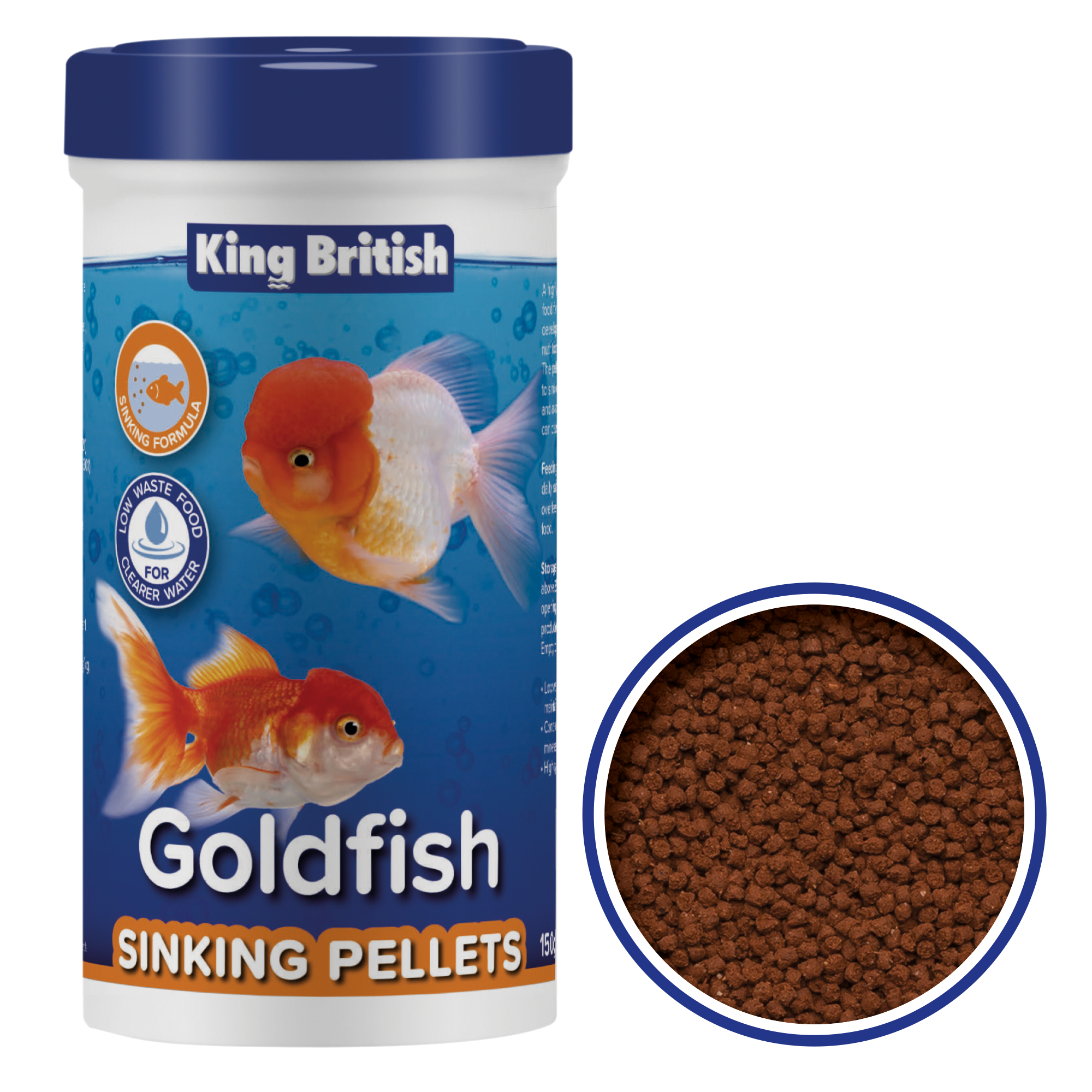
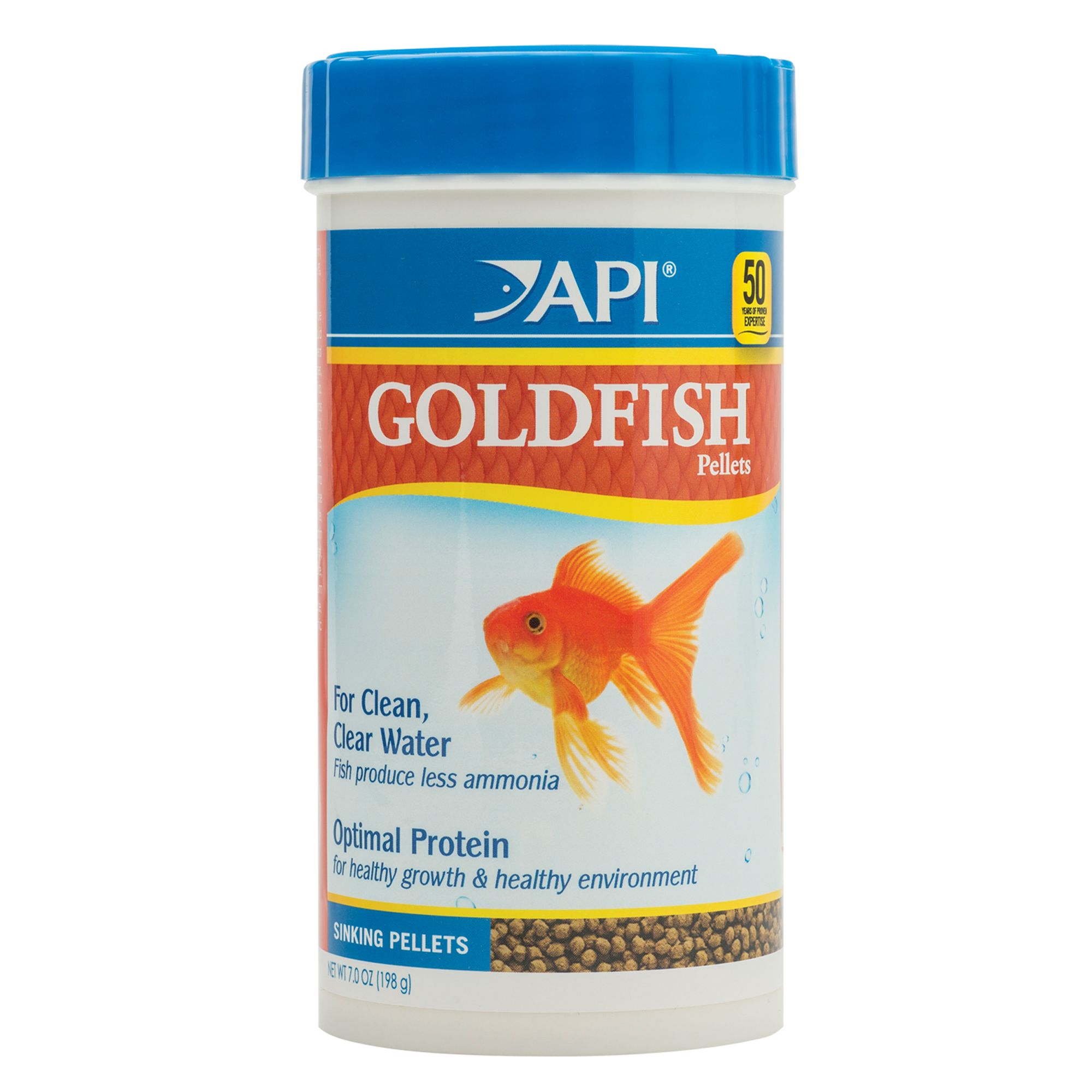
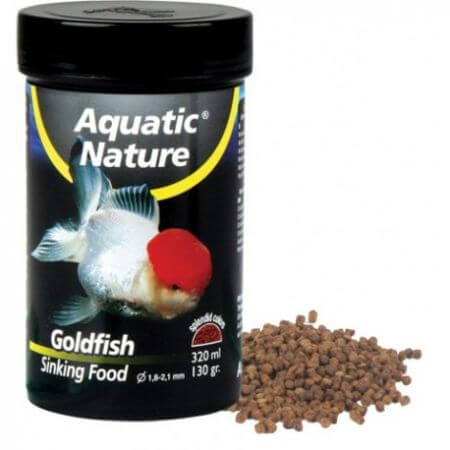
- Sinking pellets reduce air gulping and swim bladder issues.
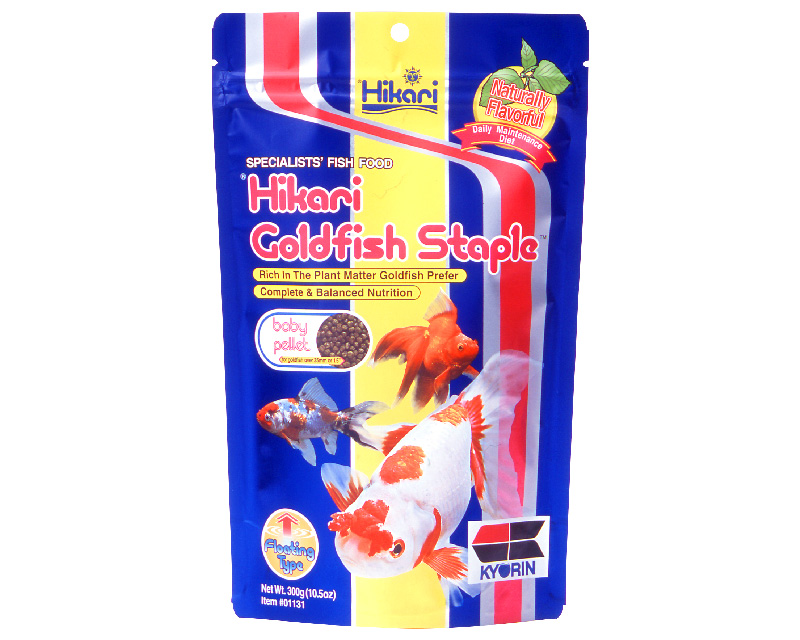
- Floating pellets are easy to portion but may cause buoyancy stress.
- Choose sizes matched to mouth shape. Fancy goldfish need smaller pellets.
Flakes
- Good for small fish and light feeding.
- They break down fast and can cloud water if overused.
- I prefer pellets for main meals and flakes for quick snacks.
Gel foods
- You cook and set them at home or buy pre-mix.
- Great digestibility and low waste.
- I use gel food when a fish is recovering or constipated.
Frozen and live foods
- Brine shrimp, daphnia, bloodworms, mysis shrimp.
- Use as treats one to three times per week.
- Rinse frozen foods to reduce excess juices. Quarantine live foods to avoid parasites.
Vegetables and algae
- Blanched peas, spinach, zucchini, lettuce, and nori.
- Offer small amounts a few times a week.
- This supports gut health and gives enrichment.
The best fish food for goldfish often blends pellets, greens, and the occasional protein-rich treat. Variety reduces nutrient gaps and supports color.
How to choose the best fish food for goldfish
Label reading is your superpower. The first ingredients should be whole fish meal, krill meal, shrimp meal, or spirulina. If wheat or soy dominate, put the jar back.
What I check on every label:
- Crude protein suited to age. Higher for juveniles, moderate for adults.
- Fat under 10 percent unless you are growing young fish fast.
- Fiber near 4 to 8 percent for fancy breeds prone to float.
- Stabilized vitamin C listed as L-ascorbyl-2-phosphate or similar.
Match the food to your setup. For tanks with strong currents, sinking pellets prevent food from blowing around. For fancies with short bodies, smaller pellets and gel foods lower stress. The right fish food for goldfish should also match your water temperature and feeding schedule.
Check freshness and storage. Buy smaller containers. Keep lids tight and store in a cool, dry place. Use within three to six months for best vitamin strength.
Feeding schedule and portions for goldfish
Feed small amounts two to three times a day. Offer only what they can eat in 30 to 60 seconds. If food hits the bottom uneaten, you fed too much.
Simple rules I follow:
- Watch bellies, not eyes. Goldfish beg, but they do not need more.
- Rotate foods through the week to balance nutrients.
- Add one veggie day to support digestion.
Water temperature matters. Above 70°F, metabolism is higher and you can feed more often. Between 50 and 60°F, feed easy-to-digest foods, like wheat germ pellets, and reduce portions. Below 50°F in ponds, pause feeding until spring.
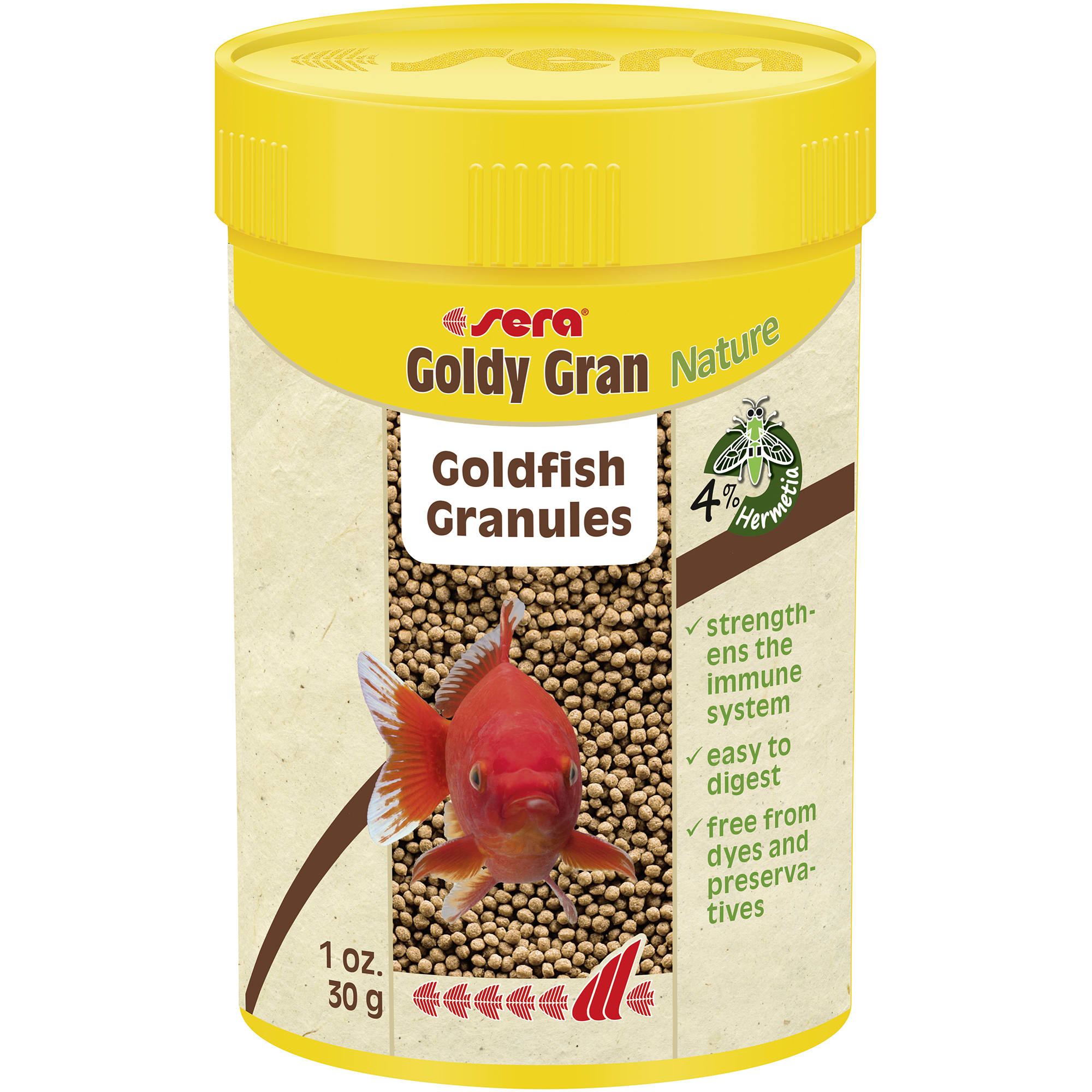
The right fish food for goldfish plus a smart schedule keeps ammonia down and fins clear. Less waste means fewer filter battles.
Preventing common problems with fish food for goldfish
Many issues start at the dinner bowl. Simple tweaks fix most of them. The right plan can prevent swim bladder stress, constipation, and murky water.
Tips that work fast:
- Switch to sinking pellets for float-prone fancies.
- Soak dry pellets briefly to reduce expansion in the gut.
- Offer blanched, skinned peas to clear mild constipation.
- Use gel foods during recovery or after antibiotics.
- Rinse frozen foods to cut excess oils and juices.
Quarantine live foods if you use them. Parasites can sneak in. Keep an eye on feces shape and color. Long, clear strings can signal low food or internal stress. Adjust portions and variety. The right fish food for goldfish helps the gut work like clockwork.
A simple weekly menu using fish food for goldfish
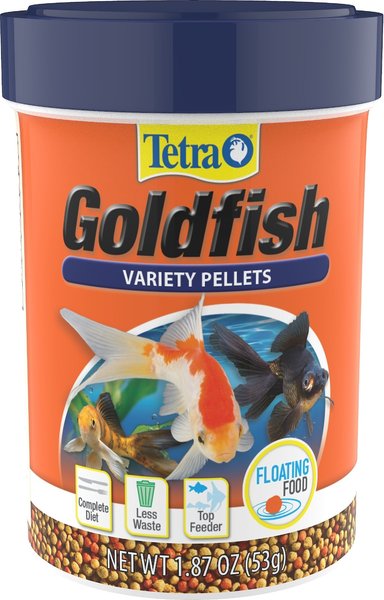
This rotation works for both single tails and fancies. Adjust amounts to match fish size and water temperature.
- Monday: Morning sinking pellets. Evening spirulina-rich pellets.
- Tuesday: Morning gel food. Evening blanched spinach or zucchini.
- Wednesday: Morning pellets. Evening frozen brine shrimp or daphnia.
- Thursday: Morning pellets. Evening peas for fiber.
- Friday: Morning gel food. Evening pellets with krill for color.
- Saturday: Morning pellets. Evening frozen bloodworms as a treat.
- Sunday: Light feeding or a fast day for gut rest.
This plan layers protein, fiber, and color boosters. It keeps meals interesting. It also cuts waste. The variety in fish food for goldfish here supports steady growth and bright scales.
Personal lessons learned from years of feeding goldfish
I once relied on flakes. My water clouded fast, and fish floated after meals. Switching to sinking pellets and gel food fixed it within a week.
What I do now:
- Keep two pellet types on hand. One spirulina rich, one with krill.
- Feed peas after a heavy treat day.
- Use smaller pellets for fancies to lower gulping.
- Test water weekly. Overfeeding shows up as rising ammonia and nitrate.
If I could give one tip, it is this: treat fish food for goldfish like a long game. Small, steady changes beat big swings.
Myths and facts about fish food for goldfish
Myth: Goldfish only need flakes.
Fact: They need varied foods and fiber to avoid bloat and improve color.
Myth: More protein always equals faster growth.
Fact: Extra protein becomes waste. It hurts water quality and stresses fish.
Myth: Bread is fine in a pinch.
Fact: Bread swells and offers no value. It risks gut issues.
Myth: All pellets are the same.
Fact: Ingredient quality and pellet design matter a lot.
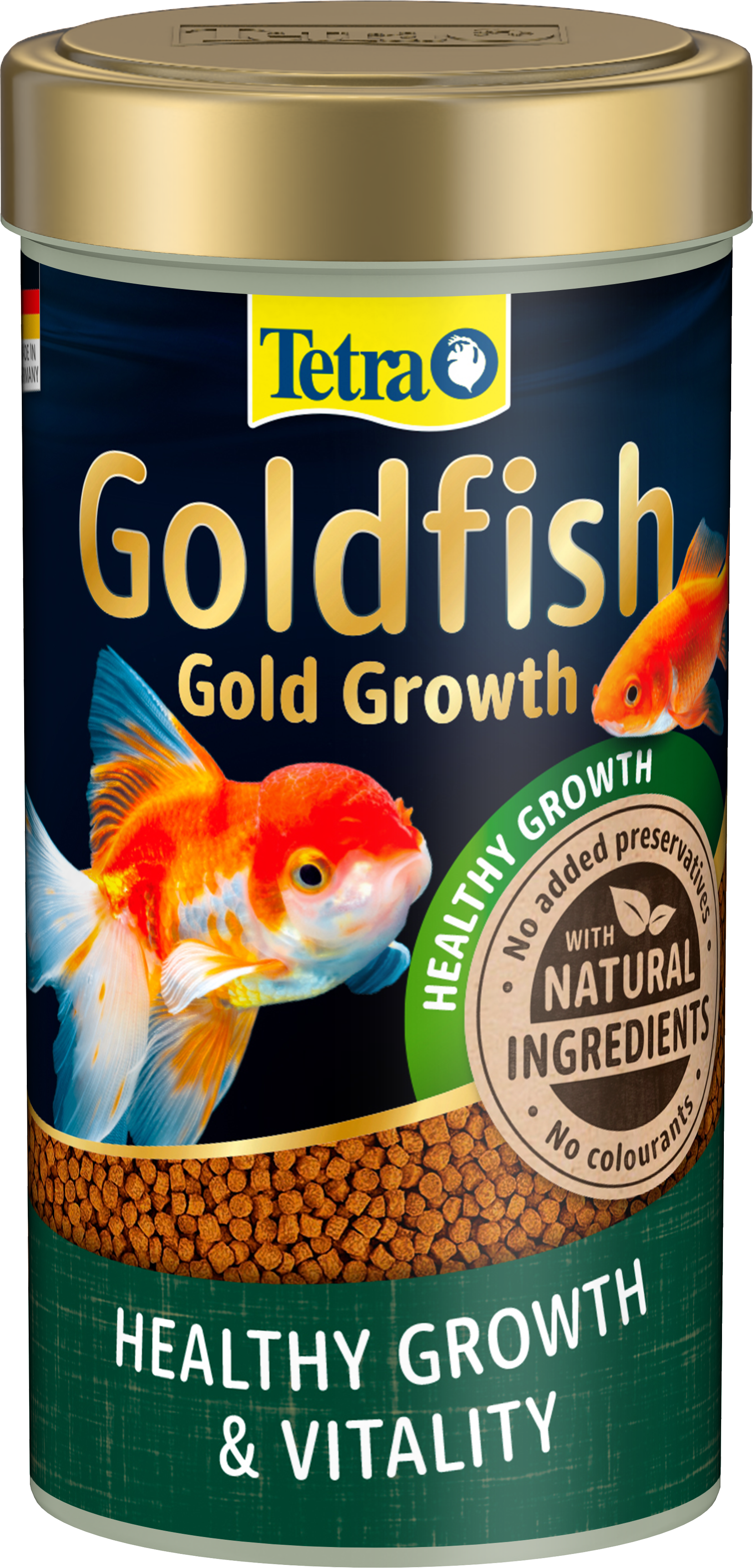
The truth is simple. Fish food for goldfish should match their biology, not our pantry. Balance wins every time.
Frequently Asked Questions of fish food for goldfish
Are pellets or flakes better for goldfish?
Pellets are usually better because they are denser and waste less. Sinking pellets also help prevent air gulping and buoyancy issues.
How often should I feed baby goldfish?
Feed small amounts three to four times a day. Use high-protein foods and keep water extra clean.
Do goldfish need live or frozen foods?
They do not need them daily, but they benefit from them. Offer live or frozen foods one to three times a week for variety and enrichment.
Can goldfish eat vegetables?
Yes, and they should. Offer blanched peas, spinach, or zucchini a few times a week to support digestion.
Is it okay to soak pellets before feeding?
Yes, a brief soak can reduce expansion in the gut. This helps fancy goldfish that struggle with floating.
How long can goldfish go without food?
Healthy adults can go several days without harm. In a pond during cold spells, they can pause feeding for weeks if temperatures are low.
What ingredients should I look for in fish food for goldfish?
Look for fish meal, krill, shrimp, and spirulina near the top of the list. Avoid foods where wheat or soy dominate the first ingredients.
Conclusion
Feeding goldfish is simple when you know the rules. Choose balanced, clean ingredients. Feed small portions, often. Add greens and the occasional treat. Watch the fish, not the label, and adjust as they grow.
Start today. Pick one better pellet and add a veggie night. Your fish will show you the results in color, energy, and calm water. Want more tips like this? Subscribe, explore related guides, or drop a question in the comments.