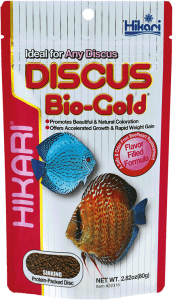

est fish food for discus blends high-protein pellets with clean frozen and live options.
If you want bold color, steady growth, and calm school behavior, your feeding plan matters. I’ve kept and bred discus for years, and I’ve tested more foods than I can count. This guide breaks down fish food for discus in plain words, with clear steps, proven tips, and simple routines you can follow today.
Understanding discus nutrition
Discus are carnivorous cichlids with fast metabolisms in warm water. They do best with a clean, high-protein diet and steady feeding. Poor food shows up fast as stress, thin bodies, or dull color.
Aim for a balanced mix. Juveniles need more protein for growth. Adults need steady, clean fuel for long life and breeding.
Key targets most keepers follow:
- Protein: 45 to 55 percent for growth and condition
- Fat: 8 to 12 percent for energy and color
- Fiber: 2 to 5 percent to aid digestion
- Vitamins and minerals: vitamin C, E, D3, A, B complex, iodine, and calcium
Warm water boosts appetite. That means more waste. Feed light, keep the mix clean, and change water often. Research on cichlids supports high marine protein, omega-3 fats, and carotenoids for color and health. This matches what I see in my tanks.
Types of fish food for discus
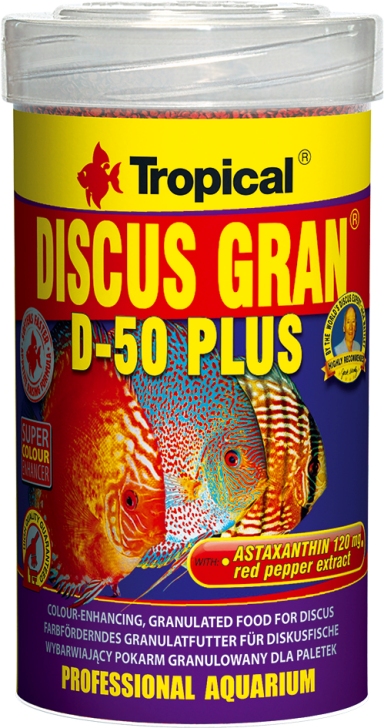
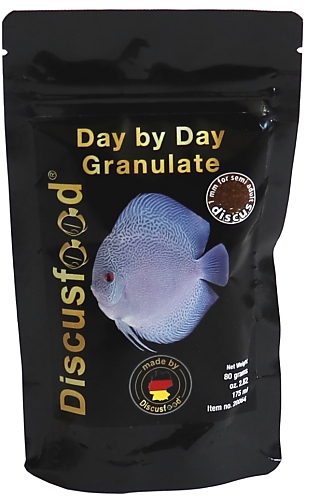
Pellets and granules (staple)
Pellets are your base. They should sink slow and soften fast. Choose quality marine protein and few fillers.
What to look for:
- First ingredients are whole fish, krill, or shrimp
- Protein near 45 percent or higher
- Natural preservatives like mixed tocopherols
- Added vitamins, minerals, and carotenoids
Pros:
- Balanced nutrition
- Easy to portion
- Low mess when sized right
Cons:
- Some fish need time to accept
- Cheap pellets can cloud water
Use the keyword with care. Quality fish food for discus often starts here. I rely on it for 70 to 80 percent of daily feeding.
Frozen foods
Frozen foods add variety and help picky fish eat. Rinse before feeding to lower extra juices.
- Mysis shrimp for protein and omega-3
- Brine shrimp for training and light meals
- Bloodworms as a treat, not a staple
- Daphnia to aid digestion
Pros:
- Great for color and appetite
- Easy to portion and store
Cons:
- Can add waste if overused
- Needs a rinse and quick cleanup
Live foods
Live food can wake up shy eaters. It also helps fry and breeding pairs. Use clean sources and quarantine when you can.
Best picks:
- Baby brine shrimp for fry
- Blackworms from trusted farms only
- Daphnia as a safe gut-friendly choice
Pros:
- Strong feeding response
- Great for growth phases
Cons:
- Risk of parasites if not clean
- Requires careful storage and prep
Freeze-dried foods
This option is handy and safe. Always pre-soak to prevent air in the gut.
Good picks:
- Freeze-dried blackworms
- Freeze-dried bloodworms
- Krill for color and protein
Pros:
- Long shelf life
- Low pathogen risk
Cons:
- Dry texture unless soaked
- Can cause float if fed dry
Beef heart and gel mixes
Beef heart can grow fish fast. It also adds mess and can lack key micronutrients. If you use it, blend with fish, shrimp, and greens, and keep it clean. A balanced gel food works better in most home tanks.
Vegetables and supplements
Discus are not plant eaters, but tiny amounts help. Use spinach, peas, spirulina, and astaxanthin. Think of them as color and gut aids, not the main course.
Keep this in mind: the best fish food for discus is a mix. Pellets carry the load. Frozen and live foods fill in the gaps.
Building a balanced menu and feeding schedule
A simple plan works best. Use pellets as your base. Add frozen or live foods for variety and target needs.
My rule of thumb:
- 70 to 80 percent high-quality pellets or granules
- 20 to 30 percent frozen or live foods
- Treats once or twice a week
Feeding times:
- Fry: many tiny meals, 6 to 8 times daily
- Juveniles: 4 to 6 small feedings daily
- Adults: 2 to 3 small feedings daily
- Breeding pairs: 3 to 4 small feedings daily
Tips that help:
- Feed what they eat in 2 to 3 minutes
- Use a feeding ring to focus food
- Soak freeze-dried foods before feeding
- Remove uneaten food fast
- Do extra water changes after heavy meals
A steady plan makes fish food for discus easy to manage. Your water will stay clear. Your fish will stay calm.

Special cases by life stage and needs
Fry
Start with infusoria or prepared fry foods. Move to fresh hatched baby brine shrimp. Keep meals tiny and often. Clean the bottom often. Growth at this stage sets their future shape.
Juveniles
High protein and many small meals. Use pellets built for growth. Add mysis, blackworms, and brine shrimp. Watch for full bellies and smooth schooling.
Adults
Hold steady. Use a clean staple pellet. Rotate mysis, daphnia, and the odd bloodworm treat. Keep bellies round but not bloated.
Breeding pairs
Feed rich, but not heavy. More omega-3 helps fertility. Keep food clean to avoid fungus on eggs. Watch for stress and trim portions after spawning.
Wild-caught fish
Go slow. Start with live or frozen food. Switch them to pellets over time. Quarantine well. This keeps parasites out of your tank.
All these steps fit under one core idea: pick the right fish food for discus at the right time.
Homemade gel food for discus
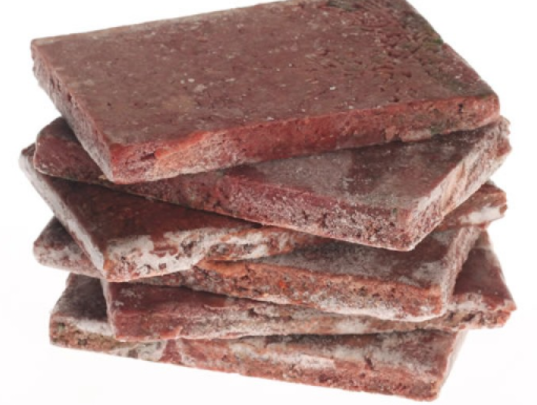
A good gel food is clean, simple, and balanced. It sticks together, sinks well, and stores in cubes.
Basic recipe I use:
- 300 g tilapia or salmon, skinless
- 200 g shrimp, peeled
- 1 cup spinach, blanched
- 1 cup peas, blanched and skinned
- 1 tablespoon spirulina powder
- 1 teaspoon astaxanthin or paprika for color
- 1 multivitamin made for fish, crushed
- 12 g unflavored gelatin or agar, bloomed
Steps:
- Blend seafood and greens to a smooth paste.
- Stir in powders and vitamins.
- Warm the mix. Add gelatin. Do not boil.
- Pour in trays. Chill to set. Then freeze.
- Feed small cubes. Rinse before feeding.
Notes that matter:
- Label dates and use within two months
- Keep the mix lean to lower waste
- If you include beef heart, limit it and add more fish and shrimp
This is a safe way to control fish food for discus at home. It keeps costs down and results up.

Avoid these common feeding mistakes
Many issues come from the same few habits. Fix these and you avoid most problems.
- Overfeeding. It spikes waste and invites disease.
- Cheap fillers. Corn and wheat raise clouding and bloat risk.
- All bloodworms, all the time. This leads to poor balance.
- Dry freeze-dried foods. Always soak first.
- Dirty prep. Rinse frozen food and clean tools.
- No variety. Rotate to cover nutrients.
- Skipping water changes. Heavy feeding needs more care.
- Ignoring labels. Read protein and first ingredients.
Each fix will boost the value of any fish food for discus you use. Keep it simple and clean.
Health, color, and behavior: diet signals to watch
Your fish talk with their bodies. Learn the signs and you can act fast.
Good signs:
- Bold color and round foreheads
- Calm, steady schooling
- Firm stools that sink
Warning signs:
- Stringy white stools
- Pinched bellies or hollow cheeks
- Clamped fins or hiding
- Pitting on the head or lateral line
Diet and water quality work together. Studies link balanced vitamins and minerals to stronger immunity and color. If you see issues, check food first, then test water. Adjust your fish food for discus and your change routine at the same time.

Buying guide: how to choose quality food
Label reading is a superpower. It saves money and fish.
What to seek:
- First ingredients are whole fish, krill, or shrimp
- Crude protein near 45 percent or higher
- Omega-3 sources like fish oil or krill meal
- Carotenoids such as astaxanthin for color
- Natural preservatives
What to avoid:
- Many grains high on the list
- Old stock without a clear date code
- Strong odor of rancid oil
Storage tips:
- Buy small bags and use fast
- Keep in a cool, dry, dark place
- Close bags tight and use clean scoops
Smart buying turns any fish food for discus into better results. You get more growth, more color, and less waste.
A simple 7‑day feeding plan
This plan fits most adult groups. Adjust portions to what they eat in minutes.
- Day 1: Morning pellets. Evening mysis shrimp.
- Day 2: Morning pellets. Evening daphnia.
- Day 3: Morning pellets. Midday freeze-dried blackworms soaked. Evening pellets.
- Day 4: Morning pellets with spirulina. Evening brine shrimp.
- Day 5: Morning pellets. Evening gel food.
- Day 6: Morning pellets. Evening bloodworms as a small treat only.
- Day 7: Morning pellets. Evening fast or very light pellets.
Helpful notes:
- Rinse frozen foods
- Add one extra water change after Day 3 and Day 6
- Watch body shape, not just the scale
This simple loop keeps fish food for discus varied, clean, and easy to repeat.
Frequently Asked Questions of fish food for discus
How often should I feed adult discus?
Feed small meals two to three times a day. Keep each meal to what they eat in two to three minutes.
Can discus live on flakes alone?
They can survive, but they will not thrive. Use pellets as a staple and rotate frozen or live foods.
Is beef heart safe for discus?
It can be used in small amounts. Balance it with fish and shrimp, and keep your tank very clean.
What is the best first food for discus fry?
Fresh hatched baby brine shrimp works best. It is small, clean, and triggers a strong feeding response.
How do I switch picky discus to pellets?
Mix pellets with frozen food and increase pellets over time. Feed when they are most calm and hungry.
Do vitamins and garlic help?
Vitamins help fill gaps. Garlic can help appetite, but use it sparingly and do not rely on it.
Conclusion
Great discus start with great food and steady care. Build a clean staple, rotate smart extras, and match meals to life stage. Watch your fish, trim waste, and keep the water fresh.
Try one upgrade this week. Swap to a better pellet or add mysis to the mix. If you found this helpful, subscribe for more guides, ask a question, or share your own fish food for discus routine in the comments.