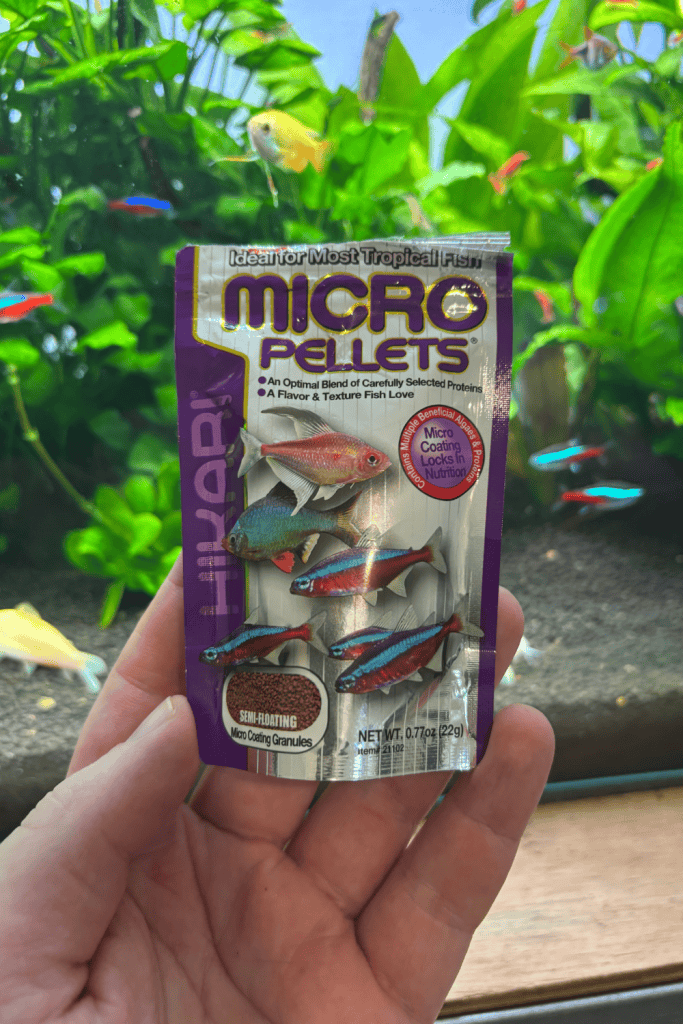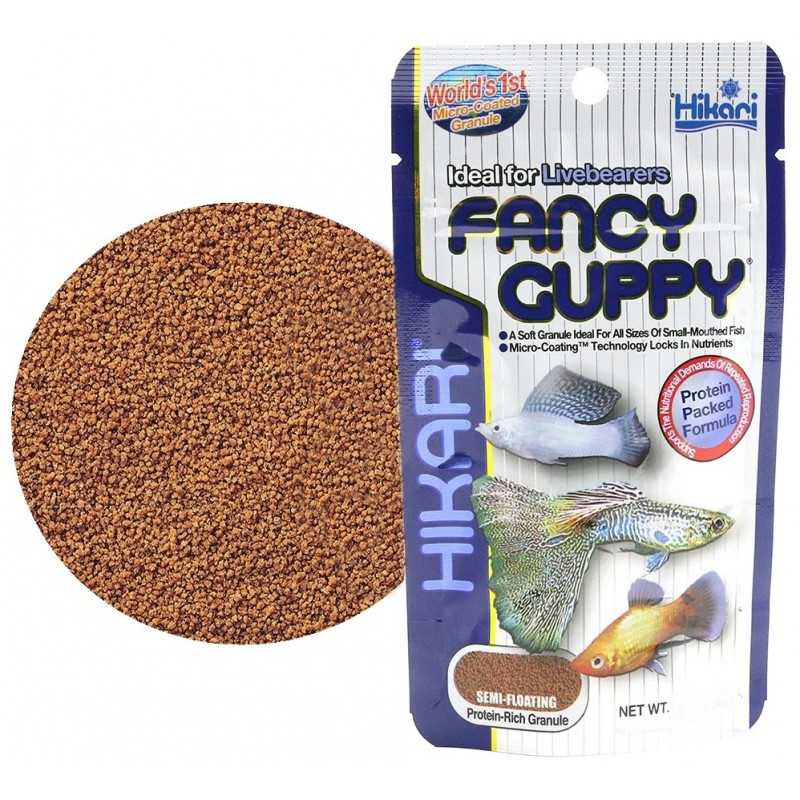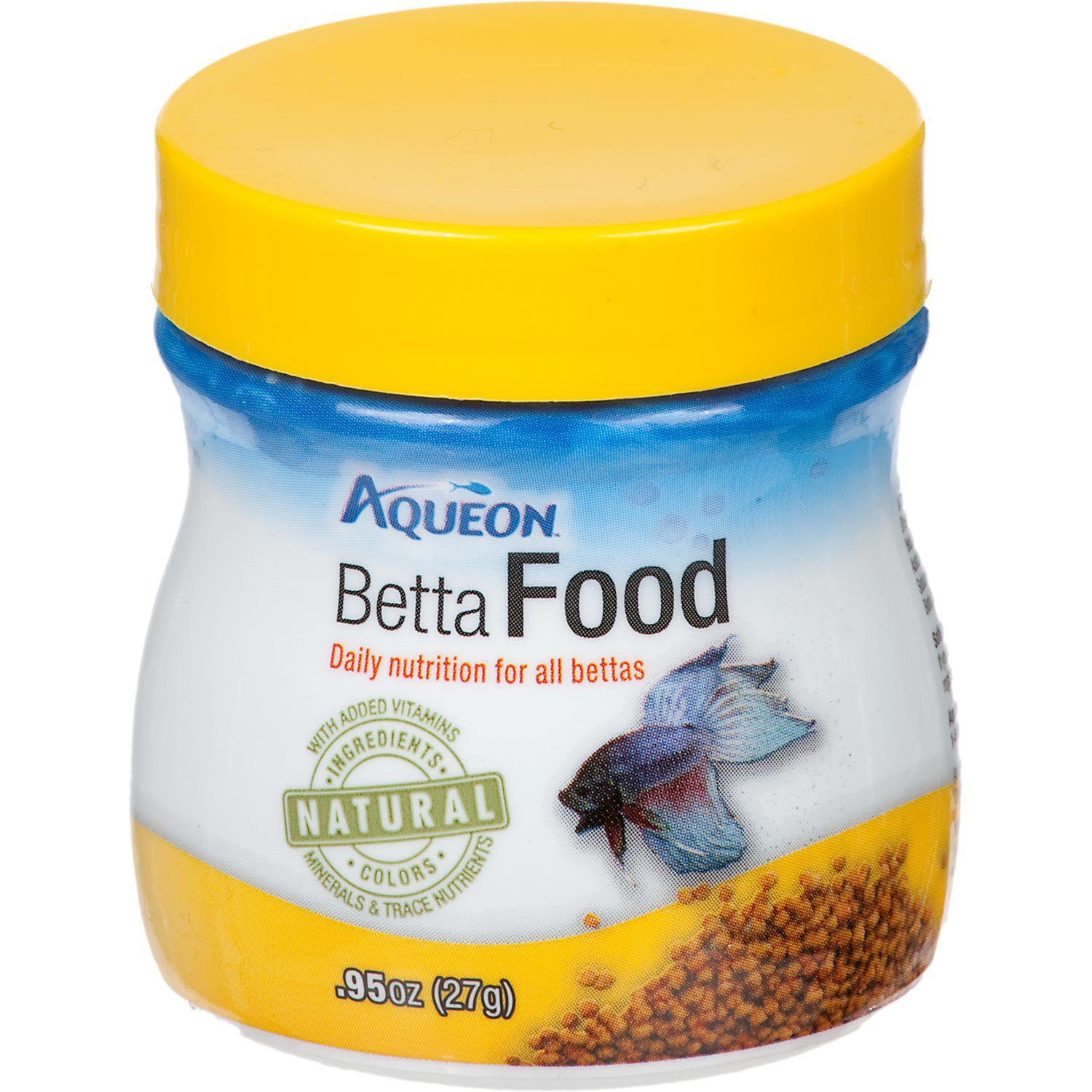

The best fish food for betta fish is high-protein, pellet-based, and varied.
Caring for bettas has been my daily habit for years. I’ve tested dozens of foods and watched how each affects color, growth, mood, and waste. In this guide, I break down fish food for betta fish with simple steps, clear tips, and real results you can trust.
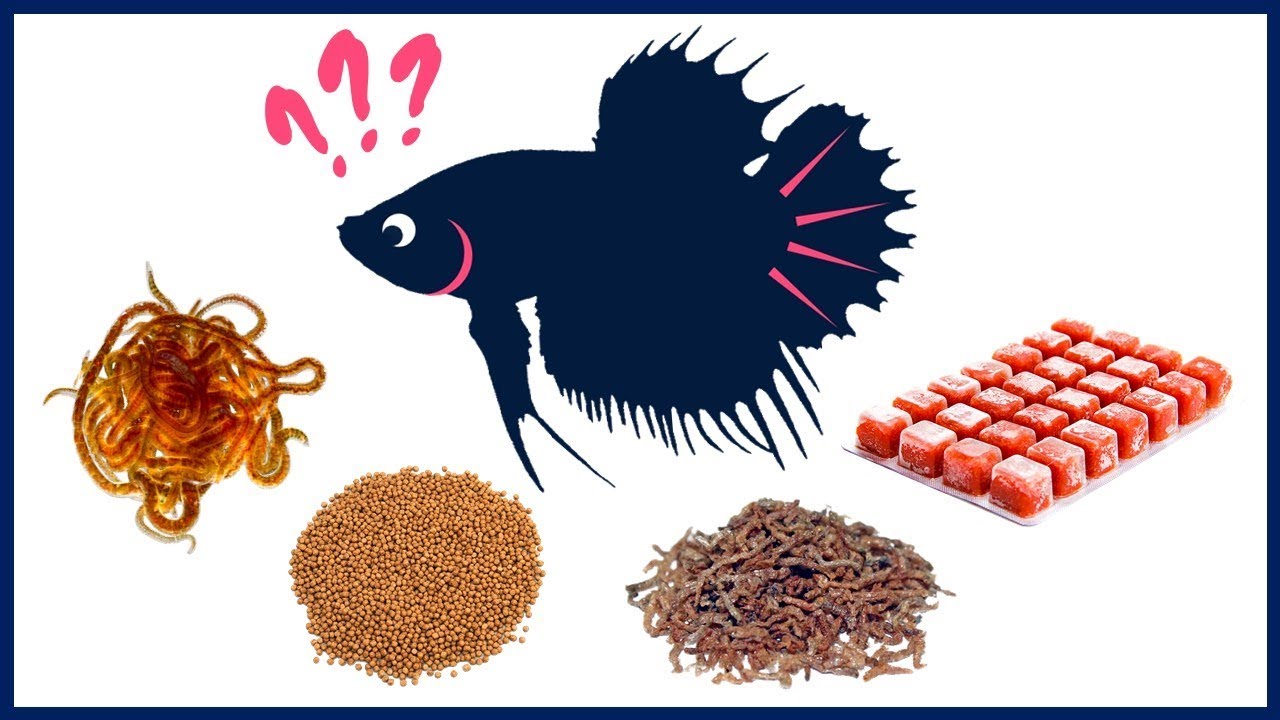
What makes great fish food for betta fish
Bettas are insect eaters. Their gut is short, like other meat eaters. They need food that is rich in protein and easy to digest. Aim for 40 to 55 percent protein and 6 to 10 percent fat.
Focus on whole fish and insect meals at the top of the label. Avoid lots of wheat, soy, and corn. These fillers can bloat your fish and cloud the water. A little fiber is fine, but keep it low.
The best base fish food for betta fish is a small sinking pellet. It should soften fast. This helps reduce gulping air and cuts the risk of constipation. Offer variety a few times a week to round out the diet.
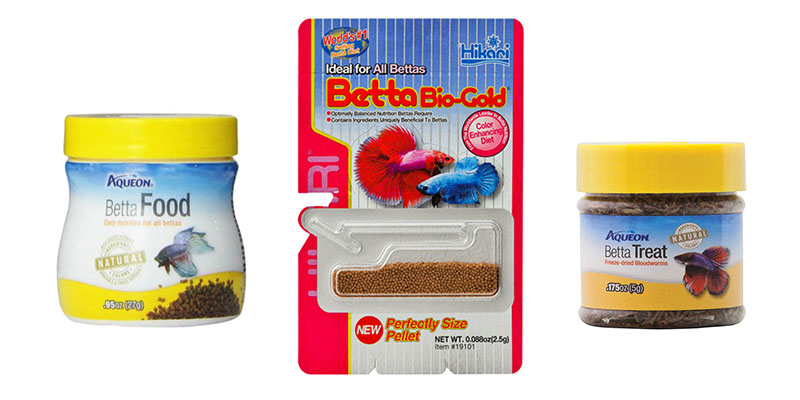
Pellets, flakes, frozen, live, and freeze‑dried: what to choose
Pellets are the gold standard for daily use. They give steady nutrition and control over portions. Pick micro pellets that are 0.5 to 1 mm. Let them soak for a few seconds before feeding.
Flakes can work, but many bettas gulp air on the surface. That can lead to bloat. If you use flakes, pre-soak and feed small amounts.
Frozen foods are great for variety. Brine shrimp, daphnia, bloodworms, and mysis are top picks. They keep nutrients better than freeze‑dried and help prevent constipation.
Live foods trigger strong feeding. Mosquito larvae and daphnia are safe and clean if sourced well. Use them as a treat, not as the only fish food for betta fish.
Freeze‑dried foods are handy. But they are very dry and can cause swelling in the gut. Always rehydrate in tank water, then feed a small amount.

How to read a label for fish food for betta fish
Check the first three ingredients. Look for whole fish meal, krill meal, black soldier fly larvae, or shrimp meal. These match a betta’s natural diet.
Review the analysis panel. Protein near 45 to 50 percent is ideal. Fat near 8 percent supports energy and color. Fiber should stay low, near 3 to 5 percent. Ash under 10 percent is a good sign.
Scan the extras. Astaxanthin supports color. Garlic can aid appetite. Probiotics may help gut health. Avoid dyes and vague terms like animal derivatives.
Feeding schedule and portions that work
Feed small, steady meals. Two tiny feedings per day work best. Offer 2 to 4 micro pellets per meal for an adult fish. Judge by the size of the betta’s eye. That is a good guide for one serving.
Match food to the water temp. Bettas thrive at 78 to 80°F. Cooler water slows the gut and can lead to bloat. Warmer water raises appetite, so watch portions.
Use a fast day. Once a week, skip food or offer daphnia. This gives the gut a rest. It also keeps water cleaner.

Treats and variety to boost health
Variety keeps fish lively and bright. Rotate a solid pellet with frozen brine shrimp, daphnia, bloodworms, and mysis. This blend supports growth, color, and breeding drive.
Use treats two to three times a week. Offer tiny amounts. Think one or two bites, not a full meal. Treats are a side dish, not the core fish food for betta fish.
Skip peas for constipation. Bettas are not veggie eaters. Daphnia and epsom salt baths work better for mild bloat. Keep peas for goldfish, not for bettas.
Fix common food problems fast
Bloat after feeding means too much dry food or air. Soak pellets. Feed less. Add a daphnia day. Check water temp.
Refusal to eat pellets is common in new bettas. Start with thawed brine shrimp. Then mix in a pellet or two. Most will switch in a week.
Stringy white poop can mean stress or poor food quality. Improve water, increase variety, and watch for parasites. If it persists, seek a fish vet.
Cloudy water comes from overfeeding and dusty flakes. Rinse frozen foods. Feed only what is eaten in 30 to 60 seconds. Siphon leftovers right away.
My tested picks and simple DIY options
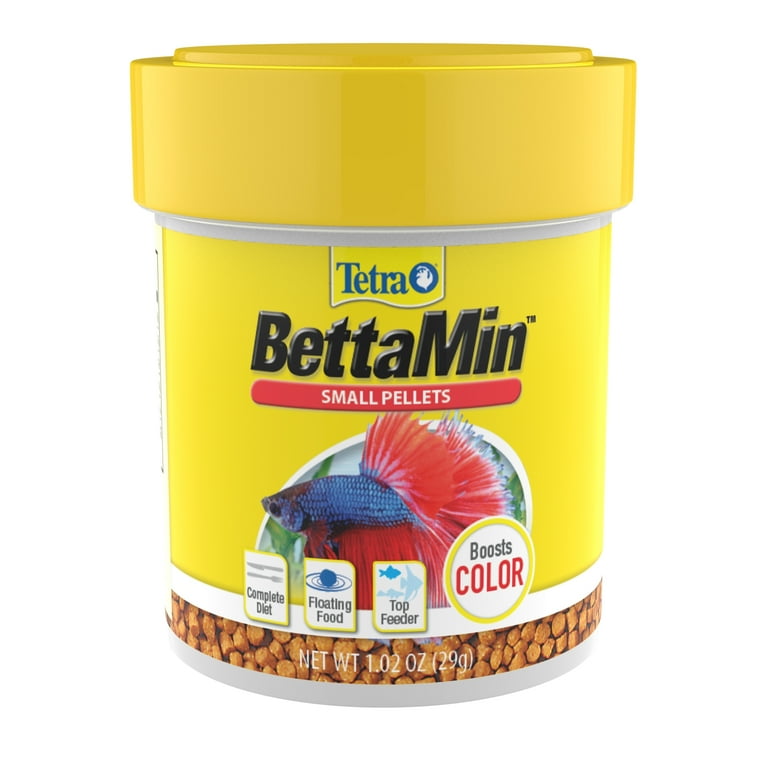
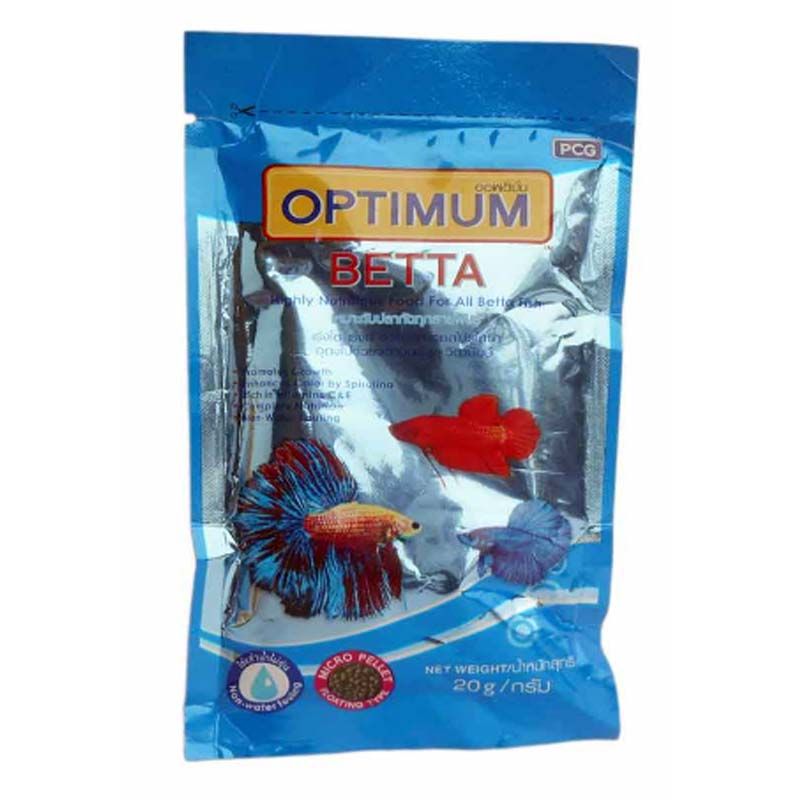
Over the years, my best results came from insect‑based micro pellets as the base fish food for betta fish. They led to bright color, steady fins, and less waste. I pair that with frozen daphnia or brine shrimp twice a week. I keep freeze‑dried bloodworms only as a rare treat.
For a quick DIY boost, make a simple gel food. Blend thawed brine shrimp, daphnia, a bit of salmon, and a pinch of spirulina. Add unflavored gelatin, set, and slice tiny cubes. Feed sparingly. It is rich, so use it as a treat.
What I learned the hard way: daily freeze‑dried bloodworms caused bloat in two of my fish. After I switched to soaked pellets and frozen variety, the issue stopped.

Special cases: young, elderly, and sensitive bettas
Juveniles need a bit more food. Offer three tiny meals and more protein. Use very small pellets and frequent water changes.
Older fish prefer softer food. Soak pellets longer. Use more frozen foods, which are easier to chew and digest. Keep portions small to protect the liver.
If your betta has fin issues or stress, choose gentle fish food for betta fish. Avoid very hard pellets. Keep salt and spices out of DIY mixes. Focus on clean water and calm lights to support healing.
Buying and storage tips that protect nutrients
Buy small containers. Oxygen, heat, and light break down vitamins fast. A 1 to 3 month supply is perfect.
Store food in a cool, dry spot. Keep the lid tight. Do not leave food near the tank light or window. You can use an opaque jar for extra protection.
Mark the open date on the lid. Replace dry food every 6 months. Rotate frozen packs to keep them fresh. This keeps your fish food for betta fish potent and safe.
Frequently Asked Questions of fish food for betta fish
What is the best daily fish food for betta fish?
A small, high‑protein micro pellet is best for daily use. It offers steady nutrition and helps control portions.
How often should I feed my betta?
Feed two small meals per day. Offer only what your fish eats in 30 to 60 seconds.
Are bloodworms good fish food for betta fish?
Yes, as an occasional treat. Use frozen or soaked freeze‑dried, and keep portions tiny to avoid bloat.
Can bettas eat flakes?
They can, but pellets are better. If you use flakes, pre‑soak and feed very small amounts.
What protein level should I look for?
Aim for 40 to 55 percent protein with about 6 to 10 percent fat. Keep fiber low and avoid heavy fillers.
How do I switch my betta from live food to pellets?
Mix thawed brine shrimp with a few pellets at each meal. Gradually increase pellets over 5 to 7 days.
Do I need to fast my betta?
A weekly fast or a daphnia day helps digestion. It also keeps the tank cleaner.
Conclusion
Great care starts with great food. Choose a high‑protein pellet as your base, add smart variety, and keep portions small. Watch your fish and let its behavior guide small tweaks.
Use the tips here to build a simple plan that fits your betta and your schedule. Try one change this week, like soaking pellets or adding a daphnia day. Share your results, ask a question, or subscribe for more hands‑on guides.