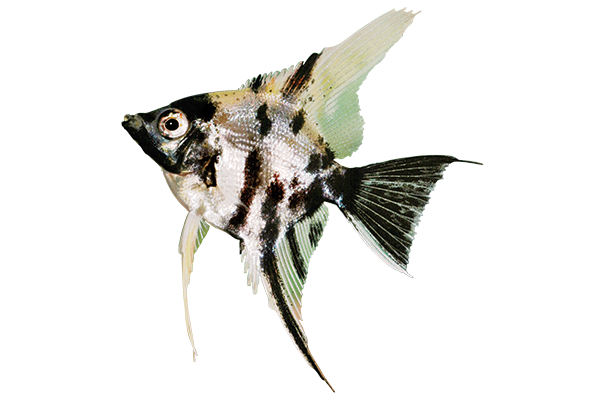
eed angelfish varied, high-protein pellets and frozen foods for balanced health.
If you want graceful, thriving angels, dial in the diet. As a long-time aquarist, I’ve tested many fish food for angelfish in real tanks, from pellets to live brine shrimp. In this guide, you’ll learn exactly what to feed, how much, and how to avoid common mistakes. Stick with me, and you’ll master fish food for angelfish like a pro.
The nutrition angelfish actually need
Angelfish are omnivorous cichlids. In the wild, they graze on small crustaceans, worms, and plant matter. In tanks, they do best with a mixed diet.
Here is the breakdown:
- Protein. Juveniles need about 40 to 50 percent protein for steady growth. Adults do well at 35 to 45 percent.
- Fat. Aim for 6 to 10 percent to support energy and color. Avoid very high fat for adults.
- Fiber. Keep it moderate, around 2 to 5 percent, to aid digestion.
- Vitamins and minerals. Ensure vitamin C, A, D, E, plus calcium and iodine for strong health and good immunity.
- Carotenoids. These natural pigments help enhance color without harsh dyes.
From my tanks, the best rule is simple: feed a staple pellet for balance, and rotate two or three extras each week. Use small or medium granules that sink slowly. Angelfish like to eat mid-water, so a slow-sinking pellet works well.
Best types of fish food for angelfish
Your goal is a varied menu. Mix a quality staple with treats. This plan mirrors the wild diet and keeps fish engaged. It also improves color and breeding behavior.
Pellets and granules
A high-grade pellet is the backbone of fish food for angelfish. Look for whole fish or krill as the first ingredient. Avoid foods with lots of wheat or soy fillers.
Pros:
- Balanced nutrition with stable vitamins
- Easy portion control
- Less waste than flakes
Tips:
- Choose slow-sinking granules for better feeding.
- Match pellet size to the fish’s mouth.
- Soak pellets if your angels gulp air at the surface.
Flakes
Flakes can work, but they break down fast and add waste. Use flakes for mixed community tanks when small fish feed at the top.
Pros:
- Easy to feed to groups
- Good for small or timid fish
Tips:
- Crush lightly for juveniles.
- Mix flakes with pellets to reduce mess.
Frozen foods
Frozen brine shrimp, bloodworms, mysis shrimp, and daphnia are gold for conditioning. These support growth, color, and spawning.
Pros:
- High protein and natural texture
- Great for picky eaters
Tips:
- Thaw and rinse before feeding.
- Offer 2 to 4 times per week as part of fish food for angelfish.
Live foods
Live brine shrimp, daphnia, mosquito larvae, and blackworms trigger hunting behavior. They are great for breeding or recovery after stress.
Pros:
- Highest engagement and palatability
- Strong conditioning effect
Risks:
- Parasites or pathogens if sourced poorly
Tips:
- Culture at home when possible.
- Rinse well. Do not overuse blackworms to avoid fatty buildup.
Freeze-dried foods
Freeze-dried bloodworms, brine shrimp, or tubifex are handy. They store well and are less risky than live.
Pros:
- Shelf-stable
- High protein treats
Tips:
- Soak before feeding to prevent bloating.
- Use as a supplement, not a staple.
Gel foods
Gel foods can carry custom nutrients and stay stable in water. They are easy to digest.
Pros:
- Soft texture and low waste
- You control the mix
Tips:
- Make small batches. Keep refrigerated or frozen.
Vegetables and plant matter
Angelfish are not strict carnivores. A little plant matter helps digestion.
Good options:
- Blanched spinach or peas
- Spirulina-based foods
- Algae wafers as an occasional nibble
This mix creates a complete fish food for angelfish plan that meets all needs.

How often and how much to feed
Angelfish are greedy. Overfeeding leads to fat fish and poor water quality. Feed less than you think, and watch the waistline.
Simple feeding rules:
- Juveniles. 2 to 3 small meals per day. Aim for what they eat in 1 to 2 minutes.
- Adults. 1 to 2 meals per day. Slightly smaller portions than you expect.
- Treats. Frozen or live foods 2 to 4 times per week.
- Fasting. One light fasting day per week helps digestion.
My routine in community tanks:
- Morning. Small pellets or granules.
- Evening. Either pellets again or a frozen option.
- Midweek. A live brine shrimp day for fun and conditioning.
If bellies look round and firm after meals, you are close. If you see long, uneaten bits on the bottom, cut back. This is key for any fish food for angelfish plan.
How to pick a quality fish food for angelfish
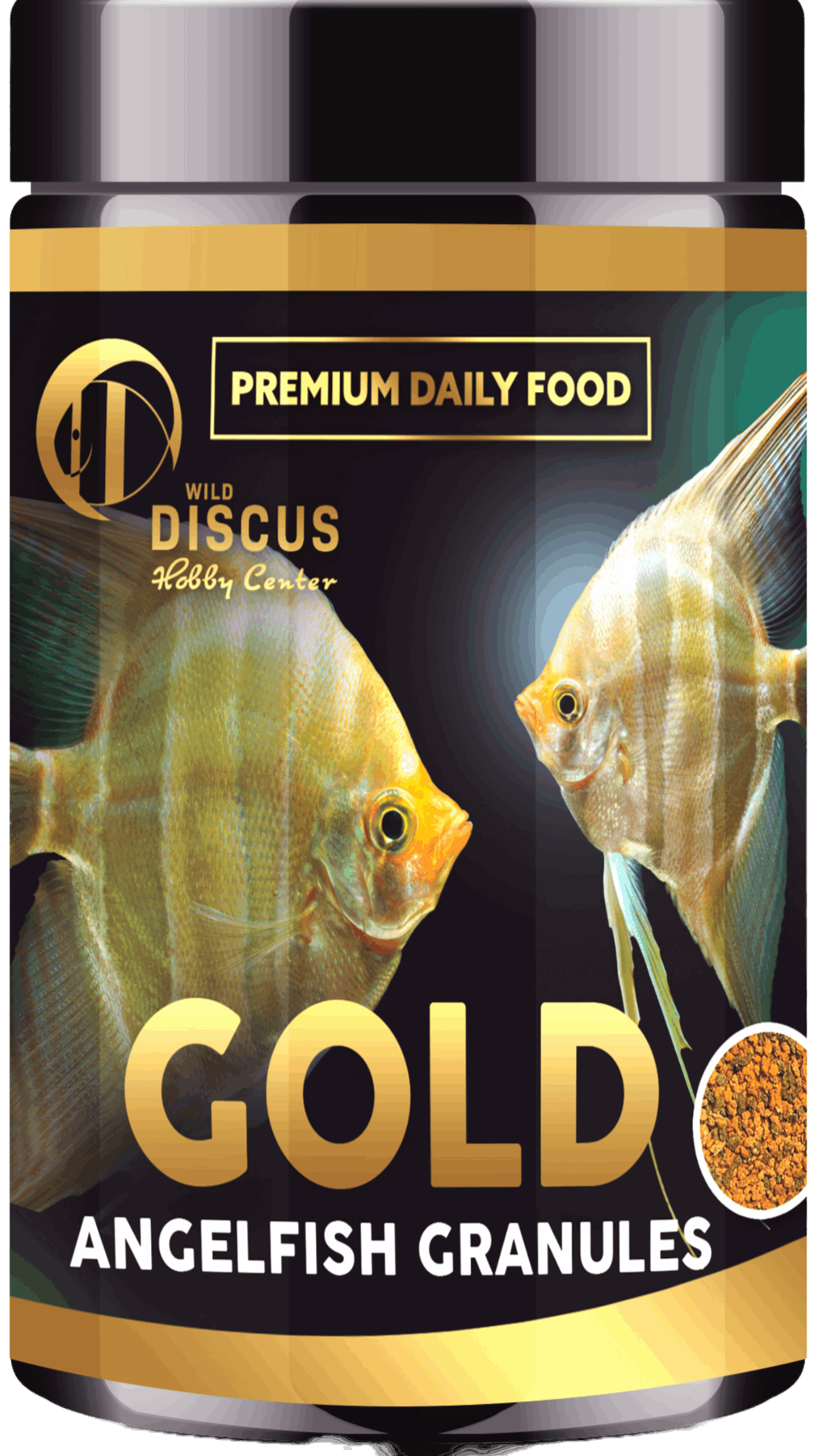
Labels tell a story. Read them like a pro.
What to look for:
- Whole fish, krill, or shrimp as first ingredients
- Crude protein around 40 percent for a staple pellet
- Omega-3 sources like fish oil
- Stable vitamins such as L-ascorbyl-2-phosphate (vitamin C)
- Natural color boosters like spirulina or astaxanthin
What to avoid:
- Vague terms like “meat meal” or “animal derivatives”
- Lots of wheat, corn, or soy as top ingredients
- Artificial dyes as the main color source
- Old stock with a stale smell
Storage tips:
- Buy smaller containers for freshness.
- Keep lids tight and store in a cool, dry place.
- Use within three months of opening.

Feeding live and frozen foods safely
Live and frozen foods elevate fish food for angelfish, but use them right.
Safety steps:
- Rinse frozen foods to remove excess juice and phosphates.
- Source live foods from trusted, clean cultures.
- Quarantine live blackworms if possible.
- Do not leave thawed food at room temp for long.
For the best results, try this:
- Live or frozen brine shrimp for growth and activity
- Mysis shrimp for protein and omega-3s
- Daphnia to help digestion
- Bloodworms as an occasional treat, not daily
Special feeding cases: breeding pairs, fry, and community tanks
Breeding pairs
- Increase protein with mysis, brine shrimp, and quality pellets.
- Feed 2 to 3 smaller meals a day.
- Keep food small to prevent fights and stress.
Fry and juveniles
- Start with infusoria or liquid fry food for tiny fry.
- Move to freshly hatched baby brine shrimp.
- Graduate to finely crushed pellets and micro granules.
Community tanks
- Use slow-sinking pellets so angels can feed mid-water.
- Add veggies or algae foods if you keep livebearers or plecos.
- Target-feed shy angels with a turkey baster.
This tailored approach keeps fish food for angelfish aligned with life stage and tank mates.

DIY and budget-friendly food ideas
You can make great fish food for angelfish at home. It saves money and lets you control ingredients.
Easy gel mix idea:
- Base. Unflavored gelatin or agar.
- Protein. Blended shrimp or white fish.
- Veg. Spinach, peas, or spirulina powder.
- Extras. A multivitamin made for fish.
Steps:
- Blend ingredients with warm water.
- Mix in gelatin, pour into a tray, and chill.
- Cut into cubes and freeze portions.
Other budget tips:
- Hatch baby brine shrimp at home.
- Rotate one premium pellet with one value pellet to balance cost and quality.
- Buy frozen foods in bulk, then portion out.
Common mistakes and quick fixes
Mistakes I see often:
- Overfeeding. Leads to fat fish, algae, and poor water.
- One-food diets. Causes gaps in nutrition and dull color.
- Dry-only diets. Can cause constipation.
Fixes that work:
- Feed smaller portions and add a weekly fasting day.
- Rotate at least three types of foods each week.
- Use soaked pellets and add greens or spirulina.
Health clues to watch:
- Stringy white poop can suggest gut irritation or parasites.
- Bloated bellies may mean gas or constipation.
- Clamped fins or loss of color often point to stress.
Quick relief:
- Offer a skinned, blanched pea for constipation.
- Improve water changes and filter care.
- Cut fatty treats and return to a clean staple pellet.
Using these steps, your fish food for angelfish strategy stays safe and steady.
Temperature, stress, and feeding response
Feeding is tied to environment. Warm water speeds metabolism. Cool water slows it.
Tips:
- At 80 to 82°F, angels eat more. Offer smaller, more frequent meals.
- At 76 to 78°F, keep a steady two-meal routine.
- Stable pH and soft to medium-hard water support good digestion.
Stress reduces appetite. Keep the tank calm with cover, tall plants, and dim light at feeding time. Quiet fish eat better, and fish food for angelfish goes further.
Frequently Asked Questions of fish food for angelfish
What is the best staple food for angelfish?
A high-quality slow-sinking pellet with about 40 percent protein works best. Choose whole fish or krill as the first ingredient.
How often should I feed angelfish?
Feed adults 1 to 2 times per day and juveniles 2 to 3 times per day. Offer only what they finish in 1 to 2 minutes.
Can angelfish eat flakes?
Yes, but use flakes as part of a varied diet. Mix with pellets and frozen foods to reduce waste and boost nutrition.
Are bloodworms safe for angelfish?
Yes, in moderation. Use frozen or freeze-dried bloodworms 1 to 3 times per week, not daily.
Do angelfish need vegetables?
A small amount helps digestion. Offer blanched peas or spirulina foods once or twice a week.
What foods help angelfish color?
Foods with astaxanthin, krill, spirulina, and mysis support color. A varied diet and low stress also boost pigment.
How do I avoid overfeeding?
Use small portions and watch the belly shape after meals. Remove leftovers within a few minutes.
What is a good treat for breeding pairs?
Live or frozen brine shrimp and mysis are ideal. They enhance energy, egg quality, and spawning behavior.
Conclusion
Feed smart, not just more. A strong staple pellet, plus frozen or live treats, and a touch of greens make a complete plan. Watch portions, rotate foods, and keep the water clean. Your angels will respond with bold color, smooth fins, and lively behavior.
Start today. Pick one better staple, add one frozen option, and set a simple schedule. If this guide helped, share it with another hobbyist or leave a question so we can fine-tune your fish food for angelfish routine together.