
Freshwater fish dazzle with their vivid colors and unique patterns. They bring life and beauty to any aquarium.
From the bright reds of a Betta to the striking yellows of a Guppy, these aquatic wonders create a stunning visual display. Having colorful freshwater fish can transform your aquarium into a vibrant underwater paradise. Their lively hues not only captivate observers but also add dynamic energy to the environment.
These fish come in a variety of shapes and sizes, each with its own unique color palette. Whether you’re a seasoned aquarist or a beginner, exploring the world of colorful freshwater fish can be a delightful journey. Their beauty can inspire relaxation and admiration, making them a perfect addition to any home. Dive into the world of these enchanting creatures and discover the joy they bring.

Introduction To Freshwater Fish
Freshwater fish are a vibrant addition to any aquarium. Their dazzling colors and unique patterns can bring life to your home or office. These fish not only add beauty but also intrigue with their variety and adaptability. Whether you’re a seasoned aquarist or just starting, exploring the world of colorful freshwater fish can be both exciting and rewarding.
Why Freshwater Fish?
Freshwater fish offer a wide range of options for any enthusiast. They thrive in environments that mimic their natural habitats, making them relatively easy to care for. Here’s why they are a popular choice:
- Variety: There are thousands of freshwater species. Each with unique colors and behaviors.
- Cost-Effective: Generally, freshwater fish are more affordable than their saltwater counterparts.
- Easy Maintenance: Freshwater aquariums often require less maintenance.
- Beginner-Friendly: Many species are suitable for beginners, needing minimal setup and care.
Freshwater fish can adapt to a range of water conditions. This makes them suitable for different aquariums. Whether you prefer a small tank with a few fish or a large community tank, freshwater fish can fit your needs. They are a great way to learn about aquatic life and observe natural behaviors right at home.
Unique Features
Freshwater fish boast several unique features that make them fascinating to observe. Their adaptability and resilience are unmatched. Let’s explore some of these features:
- Color Variations: Many species have stunning hues. From bright reds to deep blues and vibrant yellows.
- Breeding Habits: Some freshwater fish breed easily in captivity, allowing hobbyists to witness the life cycle.
- Behavioral Patterns: Each species has distinct behaviors. Some are active swimmers, others are more solitary.
- Size Range: Freshwater fish vary in size. From tiny tetras to larger cichlids, providing options for different tank sizes.
These features contribute to the allure of freshwater fish. Observing their interactions and adaptations can be both educational and relaxing. They serve as a reminder of the diversity and beauty of nature, right in your living room.

Popular Colorful Species
Freshwater aquariums are a captivating addition to any home. One of the most exciting aspects of setting up a freshwater tank is selecting colorful fish. These vibrant creatures not only enhance the beauty of your aquarium but also bring a sense of calm and happiness. Among the most popular colorful species are Betta Fish, Guppies, and Cichlids. Each species has unique characteristics and vibrant hues, making them a favorite for hobbyists worldwide.
Betta Fish
Betta Fish are a popular choice for aquariums due to their stunning colors and elegant fins. Known as Siamese fighting fish, they possess an array of colors, including red, blue, and green. Their beauty is further accentuated by their long, flowing fins.
Here are some key points about Betta Fish:
- Easy to care for: They thrive in smaller tanks.
- Solitary nature: Bettas are best kept alone or with non-aggressive species.
- Diet: They enjoy pellets, bloodworms, and brine shrimp.
Betta Fish are not just beautiful. They are also fascinating to watch. They often display unique behaviors, like building bubble nests. These nests are a sign of a healthy and happy Betta. Additionally, they are one of the few freshwater fish that eat snails, which can help keep your tank clean.
Guppies
Guppies are another favorite among aquarium enthusiasts. Their small size and bright colors make them a perfect addition to any tank. With colors ranging from vibrant reds and blues to striking yellows and greens, they are a sight to behold.
Some highlights about Guppies include:
- Hardy nature: Guppies are easy to care for and adapt well to various water conditions.
- Social behavior: They thrive in groups and are peaceful fish.
- Diet: Flake food, algae, and mosquito larvae are ideal for them.
Guppies are livebearers, meaning they give birth to live young. This trait makes them fascinating as you can watch the entire lifecycle in your aquarium. They are also known for eating algae, helping to keep your tank clean and vibrant.
Cichlids
Cichlids are renowned for their diversity and vibrant colors. With over 1,000 species, they offer a wide range of choices for aquarium lovers. From the bright yellows of the Electric Yellow Cichlid to the deep blues of the Blue Peacock Cichlid, their colors are truly mesmerizing.
Key features of Cichlids include:
- Variety: There are many types, each with unique patterns and colors.
- Territorial nature: They can be aggressive, so tank mates should be chosen carefully.
- Diet: They enjoy a mix of pellets, vegetables, and live food.
Cichlids are known for their intelligence and interactive behavior. They often recognize their owners and can be trained to perform simple tricks. Although they can be territorial, their vibrant colors and engaging personalities make them a worthy addition to any freshwater aquarium.

Habitat Preferences
Colorful freshwater fish captivate with their vibrant hues and diverse patterns. Understanding their habitat preferences is crucial for their well-being. These preferences influence their health, color, and behavior. Whether in the wild or an aquarium, knowing their ideal habitat helps them thrive. Let’s explore the natural environments and how to recreate these settings at home.
Natural Environments
In the wild, colorful freshwater fish dwell in a variety of settings. Rivers, lakes, and streams provide different conditions. These habitats have unique features that fish have adapted to over time.
- Rivers: Often have strong currents and varied depths. Fish like rainbow fish thrive here.
- Lakes: Offer calm waters and plenty of plant life. Ideal for fish like cichlids.
- Streams: Provide a mix of slow and fast-moving water. Perfect for tetras and danios.
Each environment has specific elements:
| Element | Description |
|---|---|
| Water Temperature | Ranges from cool to warm depending on location. |
| pH Level | Varies from acidic to neutral. |
| Plant Life | Provides shelter and food sources. |
These natural conditions help fish develop their bright colors and active behavior.

Aquarium Settings
Creating the perfect aquarium setting is essential for colorful freshwater fish. It mimics their natural habitat and promotes good health.
Consider these factors:
- Tank Size: Bigger tanks offer more swimming space. They also help maintain stable conditions.
- Water Quality: Clean water is a must. Use filters and regular water changes.
- Temperature: Match the natural temperature of the fish’s habitat. Use heaters if needed.
Adding plants and decorations can enhance the habitat. They offer hiding spots and reduce stress:
- Live plants like Java Fern and Anubias.
- Rocks and driftwood for a natural look.
- Substrate to mimic riverbeds or lake bottoms.
Lighting also plays a role. Soft lighting helps maintain their natural colors.
Do Betta Fish Sleep
Betta fish, known for their striking colors, need rest too. Yes, they do sleep. Their sleep patterns are different from humans.
Signs of a sleeping betta:
- Resting near the bottom or on leaves.
- Reduced movement and activity.
- Gills still moving slowly.
Bettas are light sleepers. They may react to sudden changes in their environment. Provide a dark and quiet environment at night. It helps them rest better.
Here’s a quick guide to ensure your betta gets enough rest:
| Factor | Recommendation |
|---|---|
| Lighting | Turn off lights at night. |
| Noise | Keep the area around the tank quiet. |
| Decor | Provide hiding spots with plants or caves. |
How Long Can A Betta Fish Go Without Food
Betta fish can survive without food for a limited time. Typically, they can go without food for up to two weeks. This should only be in emergencies.
Factors affecting this period include:
- Age and health of the fish.
- Water temperature and quality.
- Previous diet and nutrition.
While bettas can survive without food for a while, regular feeding is important for their health. A feeding schedule promotes growth and vibrant colors.
Tips for a balanced diet:
- Offer a mix of betta pellets and live foods.
- Feed small portions twice a day.
- Avoid overfeeding to prevent water pollution.
Ensure your betta always has fresh, clean water to support their health during periods without food.

Feeding And Care
Colorful freshwater fish brighten any aquarium with their vivid hues and playful movements. Proper feeding and care ensure these vibrant creatures live healthy, joyful lives. Understanding their dietary needs and maintaining their tank environment is crucial for their well-being. Ensuring optimal conditions, including temperature control, helps these dazzling swimmers thrive.
Dietary Needs
Freshwater fish have diverse dietary requirements based on their species. Balanced nutrition is essential for their health and vibrant colors. Many species thrive on a mix of commercial fish food and live or frozen options. Here’s a breakdown of common dietary needs:
- Pellets and Flakes: Suitable for most species. Ensure high-quality ingredients.
- Live Food: Bloodworms, brine shrimp, and daphnia enhance nutrition.
- Vegetables: Blanched spinach or peas for herbivorous species.
- Frozen Foods: Convenient and nutritious. Offers variety.
Feeding frequency varies with species. Generally, feeding twice a day is ideal. Overfeeding can lead to health issues and water pollution. A feeding schedule helps maintain consistency:
| Fish Type | Frequency | Portion Size |
|---|---|---|
| Small Fish | Twice Daily | Pinch of Food |
| Large Fish | Once Daily | Small Handful |
Tank Maintenance
A clean tank is vital for fish health. Proper maintenance prevents disease and enhances water quality. Follow these steps for optimal care:
- Regular Cleaning: Change 10-15% of the water weekly to remove waste.
- Filter Maintenance: Clean filters monthly to ensure efficiency.
- Check Equipment: Verify heaters, pumps, and lights function properly.
- Monitor pH Levels: Maintain pH between 6.5-7.5 for most species.
Aquarium decorations add beauty but require cleaning. Rinse plants and rocks to prevent algae buildup. Inspect fish for signs of stress or disease regularly.
Do Betta Fish Need A Heater
Betta fish thrive in warm water environments. Temperature control is key to their well-being. Heaters ensure stable conditions, especially in cooler climates.
Ideal temperature range: 76-82°F (24-28°C). Fluctuations stress bettas, causing health issues. Here’s why heaters are beneficial:
- Consistency: Maintains optimal temperature day and night.
- Prevents Stress: Avoids sudden temperature drops.
- Promotes Activity: Warm water encourages movement and feeding.
Choose a heater suited to your tank size. Ensure it’s adjustable and reliable. Monitor temperature regularly with a thermometer. Placement is crucial—avoid areas with direct sunlight or drafts to maintain stability.
Breeding Colorful Fish
Colorful freshwater fish are a delightful addition to any aquarium. Their vivid hues and lively personalities captivate both novice and experienced hobbyists. Breeding these vibrant creatures can be a rewarding endeavor. It allows enthusiasts to observe unique behaviors and contribute to preserving species diversity. Successful breeding requires understanding specific techniques and the care parents provide to their young.
Breeding Techniques
Breeding colorful fish involves specific techniques that vary by species. Some fish lay eggs, while others give birth to live young. Understanding these methods is crucial for successful breeding.
Egg Layers: Fish like cichlids and tetras lay eggs in secure spots. They may choose rocks, plants, or gravel. To encourage breeding:
- Maintain a stable water temperature.
- Provide high-quality food rich in protein.
- Offer hiding places with plants or decorations.
Live Bearers: Species such as guppies and mollies give birth to live fry. They require different conditions:
- Ensure clean water with regular changes.
- Separate males and females until ready to breed.
- Use breeding boxes to protect newborns.
For both types, keeping a close eye on water quality is vital. Fish are sensitive to pollutants and sudden temperature changes. Regular checks help prevent stress, encouraging healthier breeding conditions.
Parental Care
Parental care varies among colorful fish species. Some parents are very attentive, while others may leave their offspring to fend for themselves.
Attentive Parents: Cichlids and angelfish often guard their eggs and fry. They exhibit behaviors like:
- Fanning eggs to provide oxygen.
- Removing unfertilized eggs to prevent decay.
- Protecting fry from predators.
Independent Fry: Fish like guppies and platies tend to leave their young alone. These fry must quickly learn survival skills. In such cases:
- Provide dense plants for hiding spots.
- Offer small, frequent feedings to ensure growth.
- Monitor tank mates to avoid predation.
Understanding the level of parental care helps tailor the aquarium environment. It ensures the young thrive and grow into healthy adults. Each species has unique needs, making observation and adaptation key to successful breeding.
Health Considerations
Colorful freshwater fish add vibrancy to any aquarium. They are not just beautiful but also fascinating to watch. Keeping them healthy is crucial for their well-being and longevity. Understanding the health considerations of these vibrant creatures can help you maintain a thriving aquatic environment. This involves knowing the common diseases they might face and the preventive measures you can take to ensure their health.
Common Diseases
Freshwater fish, despite their beauty, are prone to various diseases. Knowing these can help in early detection and treatment.
Here are some common diseases:
- Ichthyophthirius multifiliis (Ich): Also known as white spot disease. Characterized by white spots on the body and fins.
- Fin Rot: Causes fraying and discoloration of the fins. Often due to bacterial infections.
- Swim Bladder Disease: Affects the fish’s buoyancy, causing them to float or sink.
- Fungal Infections: Appear as cotton-like growths on the body.
Identifying symptoms early is crucial:
| Disease | Symptoms |
|---|---|
| Ich | White spots, scratching against objects |
| Fin Rot | Frayed fins, discoloration |
| Swim Bladder Disease | Unusual swimming patterns |
| Fungal Infections | White, cotton-like growths |
Preventative Measures
Preventing diseases in colorful freshwater fish is vital for their health and vibrant appearance. A few simple steps can significantly reduce the risk of infections.
Maintain Water Quality: Regular water changes and monitoring pH levels keep the environment healthy. Use a reliable water test kit to ensure parameters are within safe limits.
Quarantine New Fish: Before introducing new fish to the tank, quarantine them for a few weeks. This helps in detecting and treating any diseases before they spread.
Adopt these additional practices:
- Balanced Diet: Provide a varied diet to boost immune systems.
- Adequate Filtration: Ensure your tank has a good filtration system to remove waste and toxins.
- Regular Observation: Watch for any signs of stress or illness.
- Avoid Overcrowding: Keep fish population within recommended limits to reduce stress and aggression.
By following these preventative measures, you can create a healthy, thriving environment for your colorful freshwater fish. Their vibrant colors will shine brighter, and they will live longer, healthier lives.

Aquascaping Ideas
Colorful freshwater fish bring a burst of energy and beauty to any aquarium. Their vivid hues and lively movements transform simple tanks into vibrant ecosystems. To showcase these stunning creatures, aquascaping offers creative ways to design their underwater world. This involves crafting a balanced environment where plants, rocks, and fish thrive together. Below, explore some aquascaping ideas to create a breathtaking habitat for your colorful freshwater fish.
Creating A Vibrant Habitat
A vibrant habitat is key to showcasing the beauty of colorful freshwater fish. Begin by selecting a tank size that provides ample space for fish to swim. More room leads to happier fish. A larger tank also allows for diverse decoration.
- Lighting: Use LED lights to highlight the fish’s colors. LED lights mimic natural sunlight.
- Substrate: Choose a dark substrate. It contrasts with the fish’s colors, making them stand out.
- Decor: Include rocks and driftwood. These elements offer hiding spots and mimic natural habitats.
Use a combination of these elements to create depth and interest within the tank. The table below suggests a simple layout for a 20-gallon tank:
| Element | Placement |
|---|---|
| LED Lights | Top of the tank |
| Dark Substrate | Bottom layer |
| Rocks | Back corners |
| Driftwood | Center |
These elements create a vibrant and natural-looking habitat. Balance is key. Ensure there’s enough open space for fish to swim.
Plant Choices
Plants add life and color to any aquarium. They also provide shelter and improve water quality. Choosing the right plants is essential. Consider the needs of your fish and the environment.
Here are some plant options:
- Anubias: Low maintenance and thrives in low light. Perfect for beginners.
- Java Fern: Resilient and adaptable. Grows well on rocks and driftwood.
- Amazon Sword: Large and lush. Ideal for creating a jungle-like feel.
- Cryptocoryne: Offers varied shapes and colors. Suitable for mid-ground planting.
Each plant type has unique requirements. Research their needs. Ensure the plants complement the fish species. The table below outlines basic care for popular aquarium plants:
| Plant | Light Requirement | Growth Rate |
|---|---|---|
| Anubias | Low | Slow |
| Java Fern | Low to Medium | Moderate |
| Amazon Sword | Medium to High | Fast |
| Cryptocoryne | Low to Medium | Slow to Moderate |
Choose plants that meet your aquarium’s light and space requirements. Healthy plants lead to a thriving ecosystem. They help maintain water quality and offer a natural setting for your colorful fish.

Conservation Efforts
Freshwater fish bring vibrant colors to rivers and lakes across the world. From the shimmering scales of the Neon Tetra to the striking hues of the Betta fish, these creatures are a feast for the eyes. Yet, threats loom over these beautiful beings. Conservation efforts aim to protect these species from extinction. They focus on preserving habitats and promoting sustainable practices. These efforts are crucial to maintaining biodiversity and the colorful beauty of freshwater environments.
Endangered Species
Many colorful freshwater fish face the risk of extinction. Their habitats are shrinking due to pollution and urbanization. Overfishing also poses a significant threat. Some species are on the brink of disappearing forever.
- Neon Tetra: Known for its vibrant blue and red stripes, this fish’s habitat in the Amazon is under threat.
- Betta Fish: Popular for its vivid colors, it faces habitat loss in Southeast Asia.
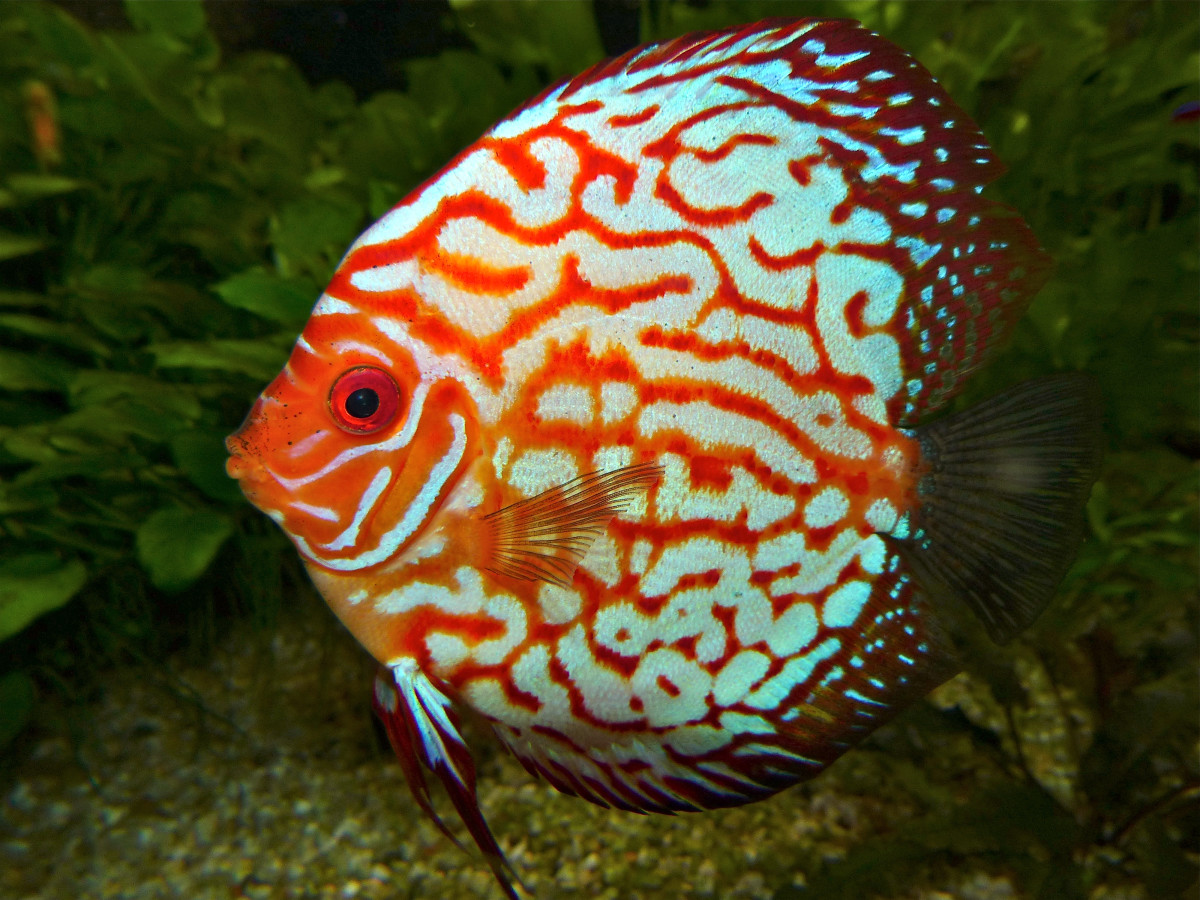
- Discus Fish: Its unique patterns are at risk due to deforestation and water pollution.
Efforts to save these species include habitat restoration and legal protection. Conservationists work to clean rivers and replant trees. Laws are enacted to prevent overfishing and protect critical habitats. These steps aim to secure a future for these beautiful fish.
Sustainable Practices
Protecting colorful freshwater fish requires sustainable practices. These practices ensure that fish populations remain healthy and ecosystems thrive.
Here are some key practices:
- Responsible Fishing: Limiting the number of fish caught helps maintain populations.
- Habitat Preservation: Protecting wetlands and riverbanks supports biodiversity.
- Pollution Reduction: Reducing chemical runoff keeps waters clean and fish healthy.
Education also plays a vital role. Teaching communities about the importance of freshwater ecosystems fosters respect and care. People learn to appreciate the value of these vibrant creatures and their habitats. By adopting sustainable practices, we contribute to the conservation efforts. This ensures that future generations can enjoy the beauty of colorful freshwater fish.

Frequently Asked Questions
What’s The Most Colorful Freshwater Fish?
The Discus fish is often considered the most colorful freshwater fish. It displays vibrant patterns and hues, including red, blue, green, and yellow. These stunning colors make the Discus a popular choice among aquarium enthusiasts seeking a lively and visually striking addition to their tanks.
What Is The Lifespan Of A Glofish?
GloFish typically live for 2 to 3 years. Their lifespan can vary based on care and environment. Proper tank conditions and diet contribute to their longevity. Regular maintenance and monitoring improve their chances of a longer life. Ensure optimal water quality and temperature for healthy GloFish.
Which Fish Is Called Rainbow Fish?
The Rainbowfish refers to several species, notably the Melanotaeniidae family. These freshwater fish are native to Australia and Southeast Asia. They are known for their vibrant, multicolored scales, which resemble a rainbow. Popular species include the Boesemani Rainbowfish and the Australian Rainbowfish.
What Is The Easiest Colorful Fish To Take Care Of?
The Betta fish is one of the easiest colorful fish to care for. It thrives in small tanks and doesn’t require complex equipment. Bettas are hardy, vibrant, and need minimal maintenance, making them perfect for beginners. Just ensure clean water and proper feeding to keep them healthy.
Conclusion
Exploring colorful freshwater fish opens a world of beauty and wonder. Their vibrant colors add joy and life to any aquarium. Each species has unique traits and care needs. Observing their behavior can be a relaxing hobby. These fish also provide educational value for families.
Kids can learn about nature and responsibility. Keeping an aquarium can be rewarding and fun. Always research before adding new fish to your tank. This ensures a healthy environment for all. Dive into the colorful world of freshwater fish today.
Enjoy the peace and beauty they bring into your home.