
Betta fish need specific nutrients to thrive. Unlike other fish, they have a unique diet. Choosing the right food ensures they live a long and healthy life. This guide will help you understand their dietary needs. Proper nutrition can enhance their color and energy levels.
We’ll explore the best options for feeding your Betta. You’ll learn about different types of food available. Ensuring your Betta gets the right food will keep it happy and active. Dive in to discover how to feed your Betta fish the best way possible.

Types Of Betta Fish Food
Betta fish are known for their vibrant colors and flowing fins. To keep them healthy and happy, you need to feed them the right type of food. There are several types of Betta fish food available, each with its benefits. Understanding these options can help you choose the best diet for your Betta fish.
Flakes
Flake food is a common choice for many Betta fish owners. Flakes are easy to store and convenient to use. They float on the water’s surface, making them easy for Betta fish to eat. Here are some key points about flake food:
- Nutritionally balanced: Many flake foods are designed to provide all the essential nutrients your Betta needs.
- Variety: Flakes come in different formulations, including those that enhance color or promote growth.
- Ease of use: Simply sprinkle the flakes on the water’s surface.
It’s important to feed your Betta the right amount. Overfeeding can lead to water quality issues and health problems. Here is a simple feeding guide:
| Age of Betta | Amount of Flakes |
|---|---|
| Fry (young Betta) | Small pinch, 2-3 times a day |
| Adult Betta | Medium pinch, once or twice a day |
Pellets
Pellets are another popular choice for Betta fish food. They are specially formulated to meet the dietary needs of Betta fish. Pellets come in different sizes, making them suitable for Betta fish of all ages. Here are some advantages of using pellets:
- High nutritional value: Pellets are packed with proteins, vitamins, and minerals.
- Portion control: Pellets make it easy to control the amount of food you are feeding.
- Long shelf life: Pellets can be stored for a long time without losing their nutritional value.
When feeding pellets, it’s important to soak them in water for a few minutes. This helps them expand and makes them easier for your Betta to digest. Here is a feeding guide for pellets:
| Age of Betta | Amount of Pellets |
|---|---|
| Fry (young Betta) | 1-2 small pellets, 2-3 times a day |
| Adult Betta | 2-3 medium pellets, once or twice a day |
Frozen And Live Foods
Frozen and live foods are excellent choices for Betta fish. They mimic the natural diet of Betta fish in the wild. These foods are rich in nutrients and help keep your Betta fish healthy and active. Some examples include:
- Brine shrimp: High in protein and easy to digest.
- Daphnia: Also known as water fleas, they are a good source of vitamins.
- Bloodworms: High in iron and protein, making them a favorite among Betta fish.
When using frozen foods, make sure to thaw them before feeding. Live foods should be sourced from reputable suppliers to avoid introducing parasites. Here is how to feed frozen and live foods:
- Thaw frozen food in a small container of tank water.
- Use tweezers to offer live food directly to the Betta.
- Feed small amounts to avoid overfeeding and water pollution.
Feeding your Betta fish a variety of foods can enhance their color and vitality. It also helps prevent dietary deficiencies and keeps them interested in their meals.

Nutritional Needs
Betta fish, with their vibrant colors and graceful movements, are a favorite among aquarium enthusiasts. To keep these stunning fish healthy and thriving, understanding their nutritional needs is essential. Proper nutrition not only enhances their colors but also boosts their immunity and overall well-being. A balanced diet tailored to their specific requirements ensures long life and vitality. Let’s explore the essential components of a Betta fish diet, focusing on proteins, fats, vitamins, and minerals.
Proteins
Proteins are the building blocks of life, crucial for Betta fish growth and health. They play a vital role in muscle development and tissue repair. Betta fish, being carnivorous by nature, require a protein-rich diet to mimic their natural feeding habits. Here are some sources of protein for Betta fish:
- Live foods: Bloodworms, brine shrimp, and daphnia are excellent protein sources.
- Frozen foods: These are convenient and retain most nutrients. Options include frozen bloodworms and mosquito larvae.
- Pellets: Specially formulated Betta pellets often contain high levels of protein.
Ensure a protein content of 30-40% in their diet. This can be verified by checking the nutritional label on commercial fish food. Avoid overfeeding. It can lead to obesity and water quality issues. A small pinch of food once or twice a day is sufficient.
Fats
Fats are essential for energy and maintaining healthy cells. Betta fish need a moderate amount of fat in their diet. It supports their active lifestyle and provides the energy they need. The right balance of fats also contributes to their vibrant coloration. Sources of healthy fats include:
- Fish oil: Rich in Omega-3 fatty acids, crucial for heart and brain health.
- Insects: Naturally high in fats, ideal for Betta’s dietary needs.
Commercial Betta foods often contain appropriate fat levels. Aim for a fat content of 5-10% in their diet. Too much fat can be harmful, leading to liver problems. Regularly monitor their diet and adjust as needed to maintain a healthy balance.
Vitamins And Minerals
Vitamins and minerals are essential for a Betta fish’s immune system and overall health. They play a role in various bodily functions, including bone health and metabolism. Key vitamins and minerals to include are:
| Vitamin/Mineral | Function | Sources |
|---|---|---|
| Vitamin C | Boosts immune system | Leafy greens, commercial pellets |
| Calcium | Bone and scale health | Crushed shells, supplements |
| Iron | Prevents anemia | Bloodworms, enriched pellets |
Ensure a varied diet to cover these nutritional needs. Use quality commercial foods as a staple. Supplement with fresh or frozen options. This approach provides a balanced intake of essential nutrients.
Feeding Frequency
Betta fish are known for their vibrant colors and lively personalities. To keep them healthy and happy, understanding their feeding frequency is crucial. Proper feeding routines not only ensure their well-being but also prevent common health issues. Let’s dive into the specifics of how often you should feed your betta fish.
Daily Schedule
Establishing a daily feeding schedule for your betta fish is essential. Consistency helps maintain their health and energy levels. Most betta fish thrive on two small meals per day. Feeding in the morning and evening works well for many owners. This mimics their natural feeding habits and keeps their metabolism active.
Here’s a simple daily feeding schedule:
- Morning: Feed a small portion at around 8 AM.
- Evening: Feed another small portion at around 6 PM.
Some betta owners prefer to feed three smaller meals instead. This method can be just as effective:
- Morning: Feed a tiny portion at around 7 AM.
- Midday: Feed another tiny portion at around 12 PM.
- Evening: Feed the last tiny portion at around 5 PM.
Adjusting the schedule slightly to fit your routine is fine. But try to keep the intervals consistent. This helps your betta fish know when to expect food, reducing stress and promoting better digestion.
Portion Sizes
Feeding the right portion size is as important as the schedule. Overfeeding can lead to health issues, while underfeeding can cause malnutrition. A good rule of thumb is to offer an amount of food that your betta fish can consume within two minutes.
Here’s a guideline for common betta fish foods:
| Food Type | Portion Size |
|---|---|
| Pellets | 2-3 pellets per meal |
| Frozen Food | 1-2 small pieces per meal |
| Flakes | A pinch (about the size of their eye) |
Feeding varied foods ensures a balanced diet. Rotate between pellets, frozen foods, and flakes to provide essential nutrients. Always observe your betta’s eating habits. Adjust portion sizes if you notice leftover food or if your betta seems hungry.
Signs Of Overfeeding
Overfeeding can harm your betta fish. It can lead to obesity, poor water quality, and digestive issues. Knowing the signs of overfeeding helps prevent these problems.
Common signs include:
- Uneaten Food: If food remains in the tank after feeding, you’re giving too much.
- Bloated Stomach: A swollen or distended belly indicates overeating.
- Constipation: Lack of bowel movements or stringy feces can signal overfeeding.
- Algae Growth: Excess food can decompose, leading to increased algae.
Adjust feeding amounts if you spot these signs. It’s better to underfeed slightly than to overfeed. Remember, bettas can go without food for a few days without harm. This brings up the question: how long can a betta fish go without food? Generally, they can survive up to two weeks without food, though this isn’t recommended.
Monitoring your betta’s diet helps maintain their health. Proper feeding frequency, portion control, and recognizing signs of overfeeding are key components of responsible betta fish care.

Homemade Betta Food
Betta fish are known for their vibrant colors and graceful swimming. Keeping them healthy requires the right diet. While commercial foods are convenient, homemade Betta food can be a healthier alternative. Making your own Betta food allows you to control the ingredients and ensure a balanced diet. It can be more economical and rewarding. Let’s dive into how you can create nutritious meals for your Betta at home.
Recipes
Creating homemade Betta food can be simple and fun. Here are a few easy recipes to try:
- Gelatin Mix: Combine boiled spinach, peas, and carrots. Blend them into a smooth paste. Add unflavored gelatin to the mix. Allow it to set in the fridge before serving.
- Protein-Rich Mash: Blend shrimp, fish fillet, and boiled egg yolk. Add a small amount of water. Form small pellets and freeze them.
- Vegetable Delight: Mix boiled zucchini and lettuce. Blend into a paste. Add a touch of spirulina powder for extra nutrients.
These recipes are packed with nutrients and are easy to prepare. You can also customize them based on your Betta’s preferences. Always ensure the food is finely blended for easy consumption.
Ingredients To Use
Choosing the right ingredients is crucial for your Betta’s health. Here are some beneficial options:
| Category | Ingredients |
|---|---|
| Proteins | Shrimp, fish fillet, cooked egg yolk, bloodworms |
| Vegetables | Spinach, peas, lettuce, zucchini |
| Supplements | Spirulina powder, unflavored gelatin |
Proteins are essential for Betta’s growth and energy. Vegetables provide vitamins and minerals. Spirulina helps enhance color and boost immunity. Always use fresh ingredients and avoid any preservatives or artificial additives.
Preparation Tips
Preparing homemade Betta food requires attention to detail to ensure it is safe and nutritious:
- Sanitize Ingredients: Wash all vegetables thoroughly. Ensure that proteins like shrimp and fish are fresh.
- Blend Well: Use a blender to achieve a smooth consistency. This helps Betta fish digest the food easily.
- Portion Control: Freeze the prepared food in small portions. This prevents wastage and keeps the food fresh.
- Feeding Frequency: Feed small amounts twice daily. Overfeeding can lead to water pollution and health issues.
- Observe Your Betta: Watch for any changes in behavior or health. Adjust the diet if necessary.
These tips ensure your homemade Betta food is nutritious and safe. Regularly change the diet to keep your Betta interested and healthy.
Common Mistakes
Feeding Betta fish can seem simple, but common mistakes can lead to serious health issues. Many Betta owners inadvertently make errors in diet and care. These mistakes often stem from misinformation or lack of awareness. Understanding these common pitfalls can help ensure your Betta fish thrives in a healthy environment.
Incorrect Food Choices
One frequent mistake is selecting the wrong food type for Betta fish. Betta fish are carnivorous and need a protein-rich diet. Many owners feed them generic fish food that lacks essential nutrients.
Consider these points for correct food choices:
- Protein-Rich Diet: Choose foods with high protein content. Betta pellets or flakes designed specifically for Bettas are ideal.
- Live or Frozen Food: Occasionally, feed them live or frozen bloodworms, brine shrimp, or daphnia for variety.
- Avoid Plant-Based Foods: Betta fish cannot digest plant-based foods well. Avoid feeding them food meant for omnivorous fish.
Here’s a comparison table for quick reference:
| Food Type | Recommended |
|---|---|
| Betta Pellets | Yes |
| Live/Frozen Bloodworms | Yes |
| Generic Fish Flakes | No |
Feeding Too Much
Overfeeding is another common error that can harm your Betta fish. It leads to obesity and water pollution. Many owners are unsure of the correct quantity and frequency.
Follow these guidelines to avoid overfeeding:
- Small Portions: Feed your Betta no more than it can eat in two minutes.
- Twice Daily: Feed your Betta twice a day to maintain a healthy weight.
- Fasting Day: Consider a fasting day once a week to clear their digestive system.
Overfeeding can cause:
- Water pollution from uneaten food.
- Health issues like bloating and constipation.
Ignoring Water Quality
Water quality is crucial for Betta fish health, yet often overlooked. Poor water quality can lead to stress and disease. Understanding how feeding affects water quality is important.
Key aspects to maintain water quality:
- Regular Water Changes: Change 25% of the water weekly.
- Use a Filter: A filter helps maintain clean water by removing waste.
- Monitor Parameters: Keep an eye on ammonia, nitrite, and nitrate levels using a water testing kit.
Poor water quality can result in:
- Stress and weakened immune system.
- Increased risk of diseases like fin rot.
Ensuring the right food, proper feeding, and clean water will keep your Betta healthy and happy.
Special Dietary Needs
Betta fish are vibrant and lively creatures that thrive with proper care. Their dietary needs can vary based on their health, breeding status, and age. Understanding these special dietary needs is essential for maintaining their well-being. A balanced diet ensures they receive the necessary nutrients to stay healthy, active, and colorful. Let’s dive into how different conditions affect their food requirements.
Sick Betta Fish
Illness can significantly affect a betta fish’s appetite. When they are sick, it’s crucial to adjust their diet to support recovery. High-quality protein is essential for healing. Consider feeding them boiled peas or bloodworms, as these are easier to digest.
- Bloodworms: Rich in protein, helps in muscle repair.
- Boiled Peas: Good for digestion, prevents bloating.
Vitamin-rich foods strengthen their immune system. Ensure your sick betta has access to clean water to reduce stress. A stressed fish is prone to not eating. Monitoring their eating habits is vital.
| Food Type | Benefits |
|---|---|
| Bloodworms | High protein content |
| Boiled Peas | Improves digestion |
Offer smaller, more frequent meals. This helps maintain energy levels without overwhelming their system. During illness, avoid overfeeding to prevent water pollution.
Breeding Betta Fish
Breeding bettas require a diet that supports reproductive health. High-protein foods are crucial for egg production and vitality. Live foods like brine shrimp and daphnia are excellent choices. They stimulate breeding activity and enhance color vibrancy.
- Brine Shrimp: Boosts energy and improves fertility.
- Daphnia: Encourages natural behaviors.
Ensure both male and female bettas receive ample nutrition. This ensures successful breeding. A varied diet prevents nutritional deficiencies. During the breeding phase, feed them twice daily.
| Food Type | Benefits |
|---|---|
| Brine Shrimp | Enhances energy levels |
| Daphnia | Supports reproductive health |
Observe their interactions and adjust the diet if necessary. An active breeding pair indicates proper nutrition. Avoid feeding them food that can cause bloating. This disrupts their breeding cycle.
Age Considerations
Betta fish dietary needs change as they age. Juvenile bettas require more frequent feedings. Their rapid growth demands high-protein diets. Pellets designed for young fish are ideal.
- Young Betta Pellets: Promotes growth and development.
- Frequent Meals: Supports energy needs.
Adult bettas have different needs. They benefit from a balanced diet with varied protein sources. Frozen foods like mysis shrimp and bloodworms are suitable. They maintain muscle mass and vibrant colors.
| Age Group | Recommended Diet |
|---|---|
| Juvenile | Young Betta Pellets |
| Adult | Frozen Mysis Shrimp |
As bettas age, their metabolism slows. Older bettas require less food but still need adequate nutrition. Reduce feeding frequency but ensure high-quality meals. Adjust portions based on activity levels.
Storing Betta Food
Betta fish are vibrant and lively pets that require special care, especially when it comes to their diet. Proper storage of Betta fish food is crucial to maintain its nutritional quality and prevent spoilage. Ensuring the food stays fresh keeps your Betta healthy and happy. Let’s explore the best practices for storing Betta food, understanding expiration dates, and avoiding contamination.
Best Practices
Proper storage of Betta food ensures it remains fresh and nutritious. Here are some best practices to follow:
- Cool and Dry Place: Store Betta food in a cool, dry place. High temperatures and moisture can lead to spoilage.
- Airtight Containers: Use airtight containers to prevent exposure to air. This helps in preserving the food’s quality.
- Avoid Direct Sunlight: Keep the food away from direct sunlight. Sunlight can degrade nutrients and cause the food to lose its effectiveness.
Consider using a table to track storage locations and conditions:
| Storage Location | Condition |
|---|---|
| Pantry | Cool, Dry, Dark |
| Refrigerator | Consistently Cool, Airtight |
By following these practices, you can ensure your Betta fish always receive fresh and nutritious food.
Expiration Dates
Understanding expiration dates is vital for the health of your Betta fish. Here are some key points:
- Check Labels: Always check the expiration date on the packaging before purchasing.
- Use Before Expiration: Feed your Betta only fresh food. Expired food can harm your fish.
- Track Usage: Keep a record of the purchase and expiration dates. Use a simple notebook or digital app.
Here’s a simple table to help track expiration dates:
| Product Name | Purchase Date | Expiration Date |
|---|---|---|
| Betta Pellets | 2023-09-01 | 2024-09-01 |
| Betta Flakes | 2023-08-15 | 2024-08-15 |
Keeping track of expiration dates helps you avoid feeding your Betta expired food, ensuring their health and well-being.
Avoiding Contamination
Preventing contamination is crucial to keep Betta food safe and nutritious. Follow these steps:
- Clean Hands: Always wash your hands before handling Betta food. This prevents the transfer of germs.
- Separate Tools: Use separate tools for handling fish food. Avoid using them for other household tasks.
- Seal Containers: Ensure containers are tightly sealed after each use. This keeps out contaminants and pests.
Here’s a quick checklist to avoid contamination:
- Wash hands before handling food.
- Use designated feeding tools.
- Keep containers sealed.
By following these precautions, you can ensure your Betta fish receive safe and uncontaminated food every time.

Top Brands To Consider
Betta fish owners know the importance of choosing the right food for their aquatic pets. The health and vibrant colors of Betta fish largely depend on their diet. Selecting the best brand is crucial to ensure they receive essential nutrients. This section discusses top brands to consider for Betta fish food, providing insights into popular choices, quality comparisons, customer feedback, and more.
Popular Choices
Several brands stand out in the Betta fish food market. Here are some popular choices:
- Hikari Betta Bio-Gold: Known for its color-enhancing properties. It includes high-quality proteins.
- Omega One Betta Buffet Pellets: Contains real fish ingredients. Ensures strong growth and vibrant colors.
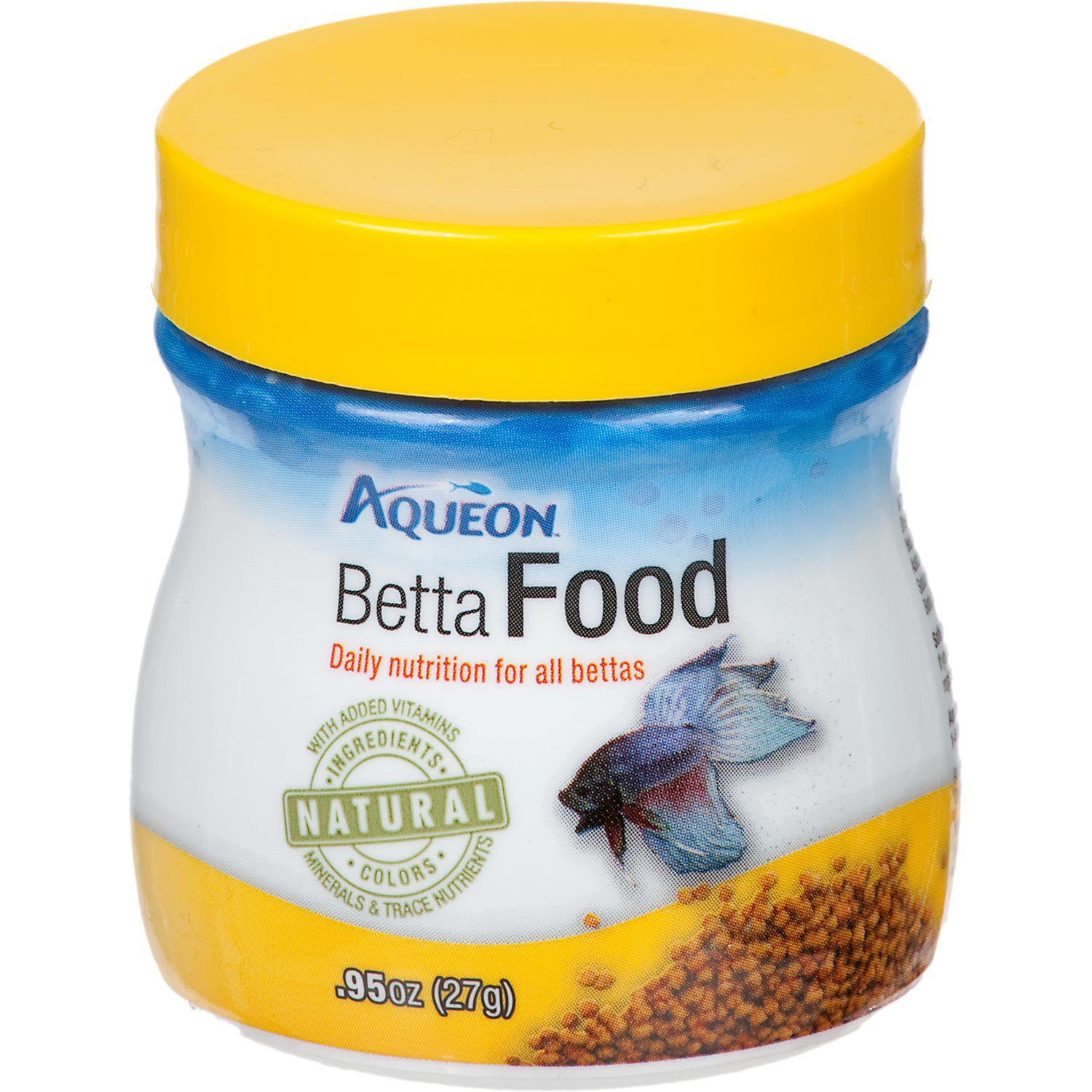
- Aqueon Betta Food: Offers a balanced diet. It’s designed to keep Bettas healthy and active.
These brands are favored for their specialized formulas. They cater to the dietary needs of Betta fish. Aqueon is noted for its affordability, while Hikari is famous for quick color improvements. Omega One stands out for its natural ingredients. Choosing among these depends on specific needs and budget.
Comparing Quality
Quality is key in Betta fish food. Here’s a table comparing top brands:
| Brand | Protein Content | Color Enhancement | Price Range |
|---|---|---|---|
| Hikari Betta Bio-Gold | 38% | High | Mid-range |
| Omega One Betta Buffet Pellets | 42% | Moderate | High |
| Aqueon Betta Food | 36% | Low | Low |
Hikari offers a balanced protein level with great color enhancement. Omega One, though pricier, provides the highest protein. Aqueon is budget-friendly but offers lower protein and color benefits. Consider your Betta’s specific needs and budget when comparing these brands.
Customer Reviews
Customer feedback provides valuable insights. Here are some common opinions:
- Hikari Betta Bio-Gold: Many users report quick color improvement. Bettas seem to love the taste.
- Omega One Betta Buffet Pellets: Customers praise the natural ingredients. Some mention the price is a bit high.
- Aqueon Betta Food: Users appreciate its affordability. A few note that it doesn’t enhance color as much.
Reviews highlight that Hikari is effective for color enhancement. Omega One wins for its quality but is less budget-friendly. Aqueon is well-liked for its cost-effectiveness. These insights help in choosing the right food based on other owners’ experiences.
Frequently Asked Questions
What Is The Best Food For Betta Fish?
Betta fish thrive on high-protein diets. Pellets, frozen or live food are ideal. Bloodworms and brine shrimp are also good choices.
Can Betta Fish Eat Flakes?
Yes, Betta fish can eat flakes. However, pellets are more nutritious. Flakes can be used occasionally as a supplement.
How Often Should I Feed My Betta Fish?
Feed your Betta fish once or twice daily. Avoid overfeeding. Only give them the amount they can consume in a few minutes.
Do Betta Fish Need Live Food?
Live food is beneficial for Betta fish. It provides essential nutrients. Bloodworms and brine shrimp are popular choices for live food.
Conclusion
Feeding your betta fish the right food matters. Keep them healthy and vibrant. Choose quality pellets, flakes, or frozen options. Variety adds excitement and nutrients. Avoid overfeeding to prevent health issues. Observe your fish’s behavior for preferences. Balanced diet leads to longer, happier life.
Research different brands and ingredients. Make informed choices for your finned friend. A well-fed betta thrives in its environment. Provide care with love and attention. Happy fish means happy owner. Enjoy the beauty of your aquatic companion every day.