A successful aquarium coral guide starts with stable water, smart lighting, and patience.
If you want a thriving reef tank, you need a plan. I have grown reefs from bare rock to living gardens. This aquarium coral guide shares proven steps, clear numbers, and calm advice. You will learn what works, what fails, and how to enjoy the journey.

What Makes Corals Thrive: The Core Parameters
Healthy corals need strong but steady water chemistry. Aim for small swings and slow changes. Test often, track results, and adjust with care.
Key targets most reef keepers use:
- Salinity 1.025 specific gravity at 77°F
- Temperature 77 to 79°F
- pH 8.0 to 8.3
- Alkalinity 8 to 9 dKH
- Calcium 400 to 450 ppm
- Magnesium 1300 to 1400 ppm
- Nitrate 2 to 10 ppm
- Phosphate 0.03 to 0.08 ppm
Use a reliable refractometer, not a swing arm. Mix salt with RODI water to avoid impurities. Dose only after you test and confirm a trend.
Light and flow matter as much as chemistry. A simple range helps:
- Soft corals: 50 to 150 PAR, low to medium flow
- LPS corals: 75 to 200 PAR, gentle to medium flow
- SPS corals: 200 to 350 PAR, strong random flow
This aquarium coral guide stresses stability. That means set a target, then hold the line. Most coral losses I see come from fast changes, not bad numbers.
Choosing Corals: Soft, LPS, and SPS Explained
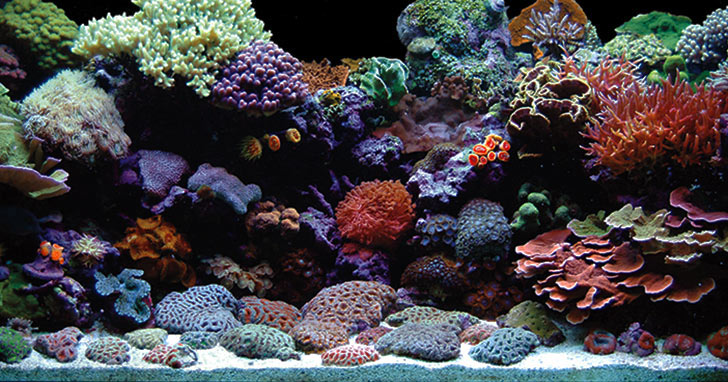
There are three broad coral groups. Each has a care level and a look. Start easy and move up when you feel ready.
Soft corals are the most forgiving. They lack a hard skeleton. They tend to sway and grow fast.
- Zoanthids and Palythoa
- Green star polyps
- Toadstool leathers and finger leathers
- Mushrooms like Rhodactis and Discosoma
LPS corals have large fleshy heads and stony bases. They love target feeding and moderate flow.
- Hammer, torch, and frogspawn
- Candy cane (Caulastrea)
- Duncan
- Acanthastrea (Micromussa)
- Favia and Favites
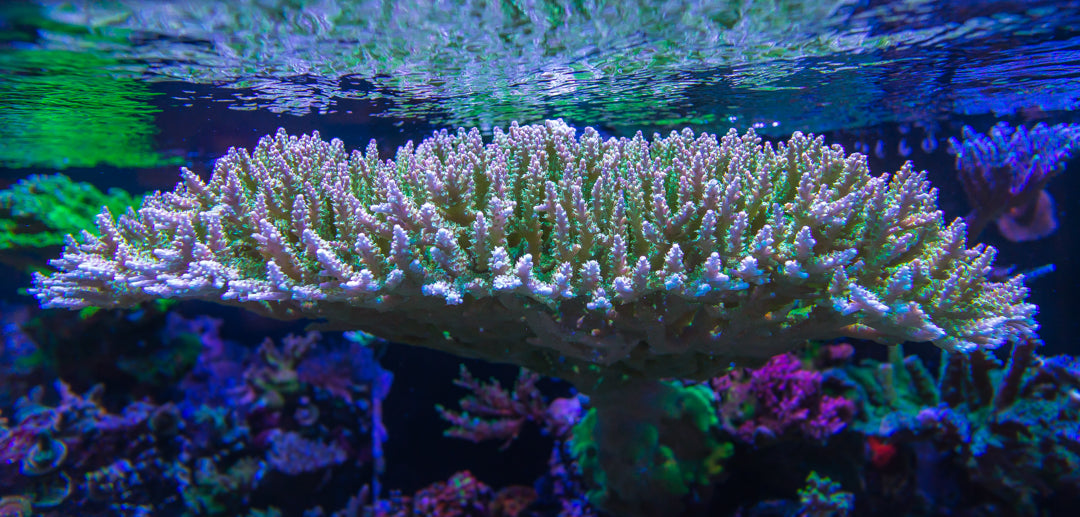
SPS corals are the most demanding. They want strong light, high flow, and clean yet not sterile water.
- Montipora plating and digitata
- Acropora varieties
- Birdsnest (Seriatopora)
- Stylophora and Pocillopora
For your first reef, pick hardy frags. An aquarium coral guide for beginners often starts with mushrooms, zoanthids, and a hammer or duncan. These teach you the basics without the stress of SPS.
Equipment Setup for a Reef Aquarium
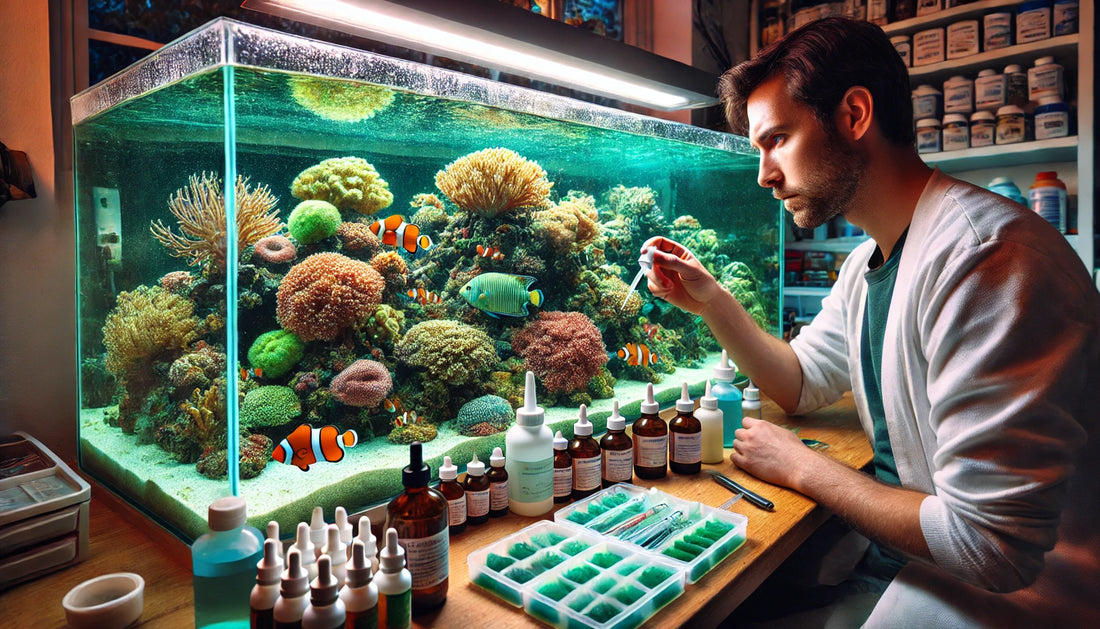
Good gear makes care simple. You do not need every gadget, but a few tools help a lot.
Core gear to consider:
- Tank with a sump if possible
- Protein skimmer sized for your tank
- RODI system for pure water
- Auto top-off to keep salinity stable
- Reliable heater and a backup
- LED lights rated for reef tanks
- Two powerheads for cross flow
- Test kits for alk, Ca, Mg, nitrate, phosphate
- A controller or timers for lights and pumps
Lighting options each have trade-offs. LEDs run cool, are efficient, and can be tuned. T5 give even spread. Metal halides grow anything but run hot. Most home reefs use LED today.
Plan your aquascape with space for growth. Use shelf rock and arches for coral platforms. Glue and epoxy hold rock and frags. Keep rock stable before you add corals.
Cycle the tank with bacteria and patience. Let the biofilter mature for several weeks. This aquarium coral guide suggests adding your first corals after you see stable nitrate and no ammonia.

Lighting and Flow: Fine-Tuning for Coral Health
Light powers the zooxanthellae inside corals. Think of it like a solar farm. Too little and corals starve. Too much and they bleach.
Aim for a blue-heavy spectrum. A common schedule is 10 hours total with a 1 to 2 hour ramp. Peak light lasts 6 to 8 hours. Use a PAR meter or a phone tool to map the tank.
Flow brings food and takes waste away. Use random, not constant, patterns. Point pumps at rock or glass to diffuse force. LPS should sway, not whip. SPS need strong, varied flow for best polyp extension.
Adjust in small steps. Watch polyps, tissue, and color for feedback. In my tanks, minor tweaks over a week beat any big change in a day.

Coral Acclimation, Dipping, and Quarantine
Acclimate corals with care. Float the bag to match temperature. Then drip acclimate to match salinity and pH.
Dip all new frags to remove pests. Use a coral dip as directed. Rinse in clean saltwater before the tank. Common pests include Aiptasia, flatworms, nudibranchs, and vermetid snails.
Quarantine saves your display. A spare tank with a light and a small pump is enough. Observe for 2 to 4 weeks. Inspect at night with a small light. This aquarium coral guide favors caution over speed.
If a plug looks dirty, cut the base and remount the frag. Super glue gel helps seal eggs and small hitchhikers.
Feeding Corals and Nutrient Balance
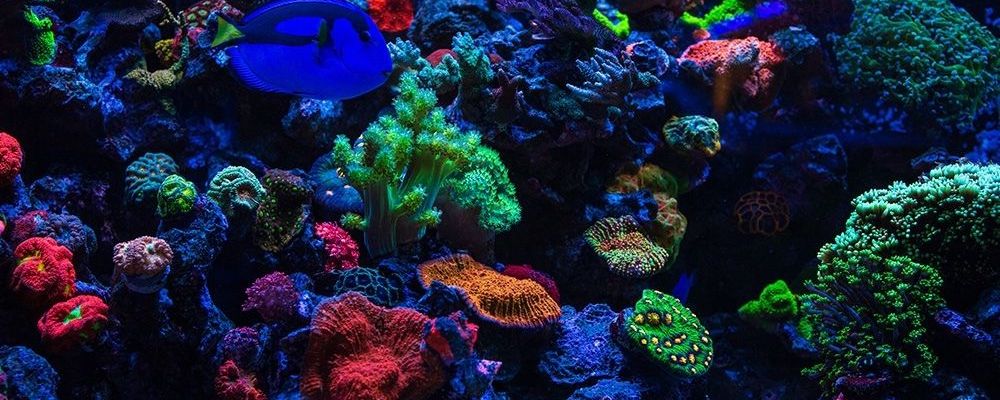
Most corals host algae that feed them. Still, many corals eat fine foods. A mix often works best.
Feed options that are easy to use:
- Phytoplankton for filter feeders and pods
- Rotifers and zooplankton for small polyps
- Mysis or reef roids for LPS heads
- Amino acids in small doses
Turn off pumps and target feed LPS once or twice a week. Keep nutrients in range. Use a skimmer, refugium, and water changes to export waste. Avoid zero nutrients, which can lead to dinos. An aquarium coral guide is clear on this point: low is good, zero is risky.

Dosing, Stability, and Maintenance Routine
As corals grow, they use alkalinity, calcium, and magnesium. Test daily at first to learn your demand. Then dose to replace what is used.
You can use two-part, kalkwasser, or an all-in-one. Dosing pumps add small, steady amounts. Test alk two to three times per week. Check calcium and magnesium weekly. An ICP test every few months can spot trace gaps.
Make a simple routine:
- Daily: Check temperature, ATO, and livestock
- Twice weekly: Test alkalinity
- Weekly: Test nitrate, phosphate, calcium, magnesium
- Weekly: Clean glass, inspect for pests, change filter socks
- Biweekly: Water change 10 to 15 percent
- Monthly: Deep clean pumps and skimmer, review logs
Stability is your best friend. This aquarium coral guide puts it first for a reason. Smooth, steady care beats any miracle product.
Common Problems and Fixes
New tanks get ugly phases. Diatoms come first. Then green hair algae and sometimes cyano. Do not panic. Keep up with export and avoid overfeeding.
Quick checks when corals look off:
- Test alk, nitrate, and phosphate first
- Confirm salinity with a calibrated tool
- Review recent changes in light, flow, or dosing
- Look for pests on and under the frag plug
Brown jelly disease hits LPS heads fast. Remove the bad head, dip the rest, and improve flow. Bleaching means too much light or stress. Lower PAR and keep nutrients stable. Dinoflagellates thrive in ultra low nutrients. Raise nitrate and phosphate a bit, add pods, and run UV if needed.
This aquarium coral guide also flags Aiptasia and flatworms. Treat early. One pest can spread fast if you wait.
Coral Placement and Aquascaping for Growth
Place corals by light and flow needs. Start low and move up over weeks. Leave room for sweepers and growth.
Simple placement ideas:
- Softies in low light corners and on the sand edge
- LPS mid-level with gentle sway and space to expand
- SPS high on stable shelves with strong, random flow
Plan for shade. Branching SPS can block light below. Use islands and negative space for reach and easy cleaning. Glue frags on small rocks you can move later. This aquarium coral guide favors flexible layouts that grow with the reef.
Budget and Stocking Plan for Beginners
You can build a solid reef on a sane budget. A 20 to 40 gallon tank is a nice start. Costs drop if you buy used gear and local frags.
A simple stocking plan:
- Month 1 to 2: Cycle and add clean-up crew
- Month 3: Add 3 to 5 hardy soft corals
- Month 4: Add 2 to 3 LPS frags
- Month 5: Add a pair of reef-safe fish
- Month 6: Add more frags only if growth is steady
Buy frags, not big colonies. They adapt better and cost less. Join a local club to trade. This aquarium coral guide keeps growth slow and steady to avoid crashes.
Long-Term Success: Lessons Learned from the Trenches
My first reef grew fast, then stalled. I chased numbers and made big swings. I learned to slow down, test, and change one thing at a time.
A few rules I follow now:
- Never add new corals before a trip
- Quarantine every frag, even from friends
- Log everything, even small tweaks
- Have a backup heater and a battery air pump
- Fix one problem at a time
Patience makes reefs shine. This aquarium coral guide is built on real wins and real mistakes. If you keep it simple and steady, your corals will tell you you are on track.
Frequently Asked Questions of aquarium coral guide
What size tank is best for a first reef?
A 20 to 40 gallon tank is a sweet spot. It is big enough to be stable but small enough to manage costs.
How long should I wait before adding corals?
Wait until your cycle is complete and nitrate is stable. Most people add hardy frags at week four to six.
Do I need to feed corals?
Many corals benefit from small, targeted feedings. Feed one to two times a week and keep nutrients in range.
What lighting is best for beginners?
Quality LED lights are easy to use and efficient. Choose a reef-rated model and follow the maker’s guidelines.
How do I know if my flow is right?
Polyps should move but not whip. Dead spots and detritus piles mean you need more random flow.
When should I start dosing?
Start dosing when tests show a steady daily drop in alkalinity or calcium. Do not dose what you do not test.
Can I keep SPS in a new tank?
It is possible but risky. Most hobbyists wait six months for better stability.
Conclusion
You can build a thriving reef with clear goals and calm habits. Set your targets, test often, and make slow changes. Feed wisely, export waste, and give corals the space and light they need.
Use this aquarium coral guide as your roadmap. Start simple, grow steady, and learn from each step. If you found this useful, subscribe for more reef tips, share your wins, or ask a question in the comments.