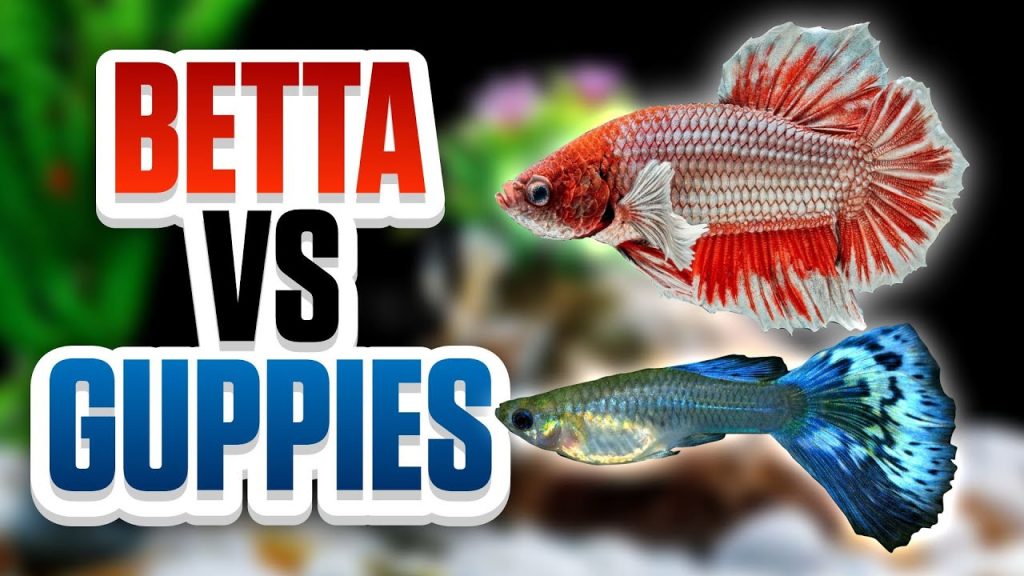
Bettas are solitary showstoppers; guppies are social, easy community fish.
If you’re weighing betta vs guppy, you’re choosing between two classic beginner stars with very different needs. I’ve kept both for years in nano, planted, and community tanks. In this guide, I’ll break down betta vs guppy care, behavior, setup, and real-world tips so you can pick the right fish and keep it thriving.
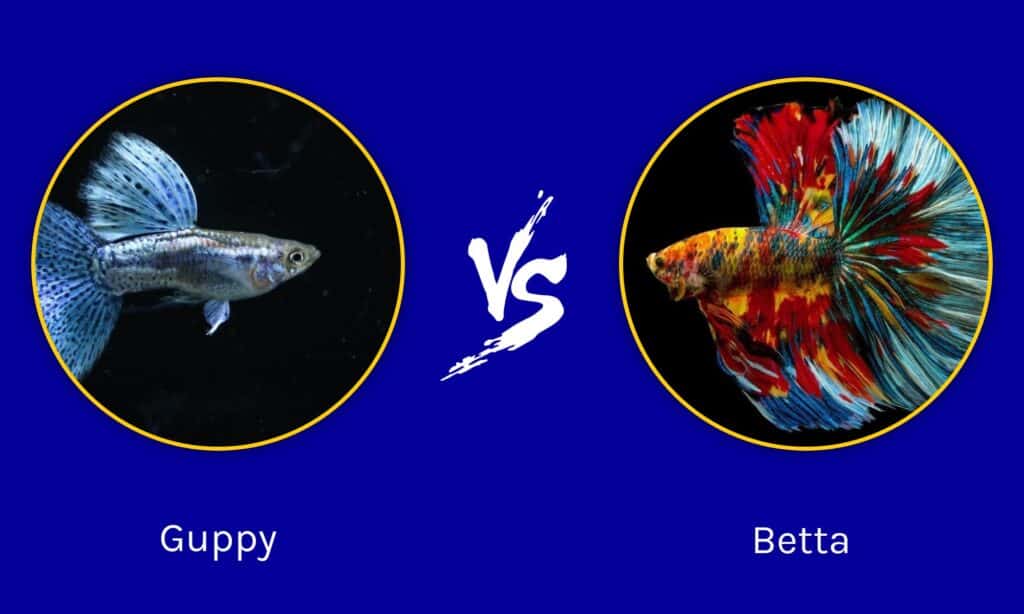
Betta vs guppy: key differences
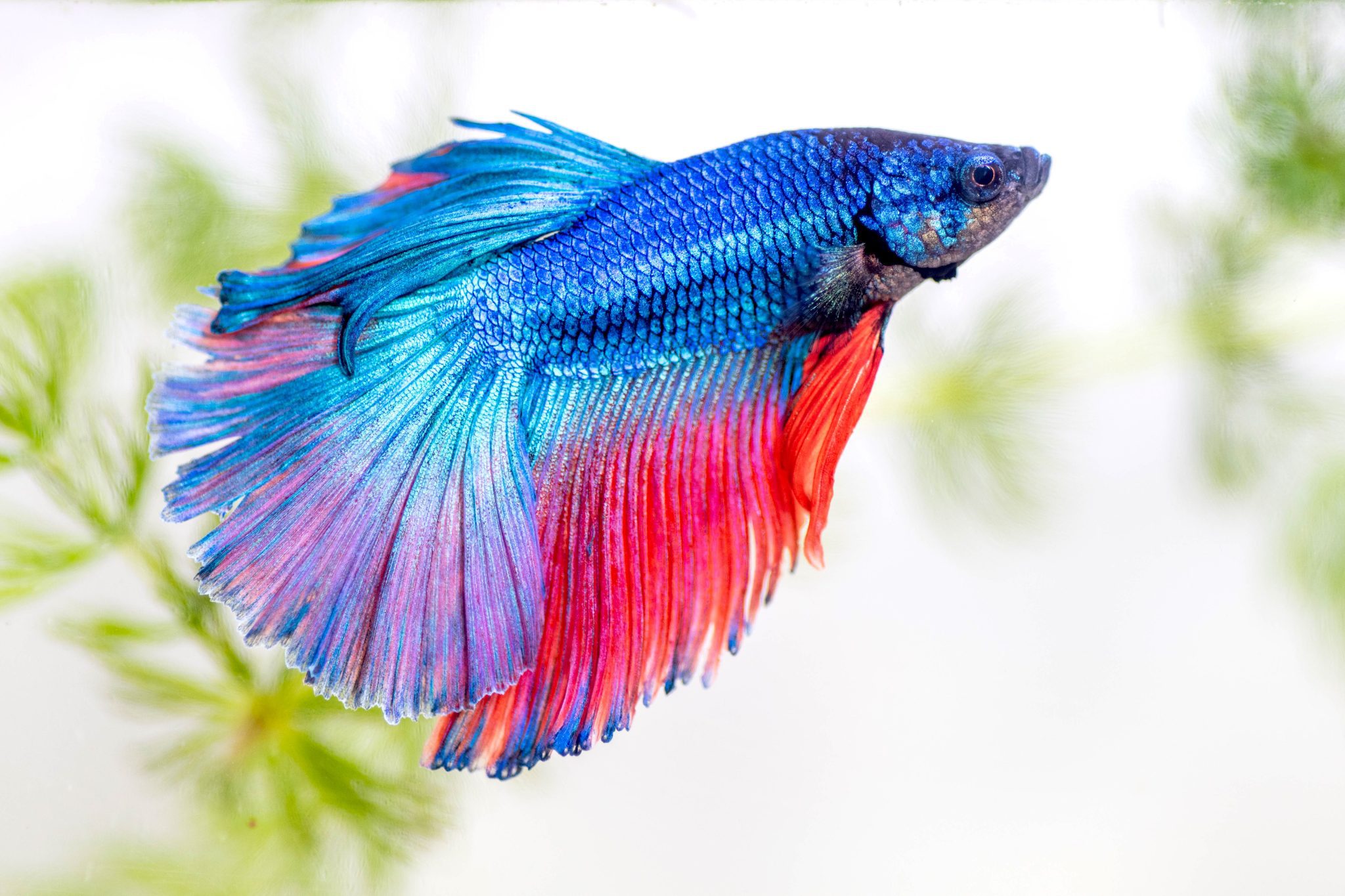
Choosing betta vs guppy starts with a clear view of temperament, setup, and care. Bettas (Siamese fighting fish) are territorial and prefer to live alone. Guppies are peaceful, social livebearers that do best in groups.
- Personality: Bettas are bold and territorial. Guppies are active and friendly.
- Tank size: Bettas do well in 5 gallons or more. Guppies need at least 10 gallons for a small group.
- Water: Bettas like warm, calm water. Guppies prefer harder, alkaline water with steady flow.
- Diet: Both eat high-protein food, but guppies graze more often.
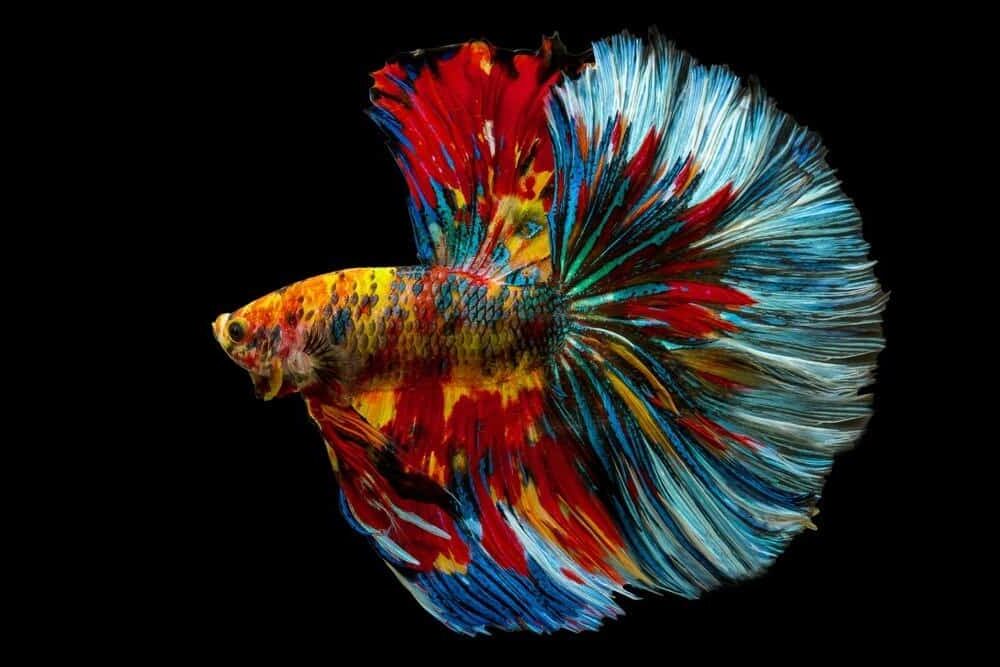
- Look: Bettas show large fins and solid colors. Guppies have wild tail patterns and many color strains.
- Difficulty: Bettas are simple for one fish. Guppies are easy in groups but breed fast.
When you think betta vs guppy, ask if you want a solo centerpiece or a lively group that multiplies.

Temperament and behavior: betta vs guppy
Bettas are famous for flaring. A male betta will defend his space and may nip fancy fins. He likes calm water, dense plants, and hiding places.
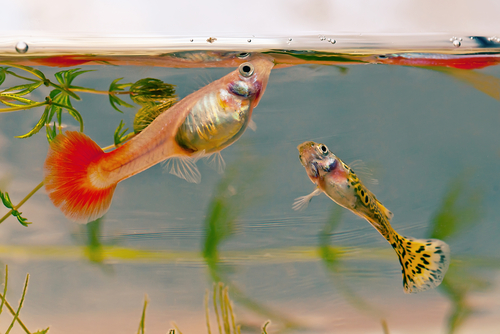
Guppies are social and curious. They zip around the tank and greet you at feeding time. Keep more females than males to reduce chasing.
In real tanks, betta vs guppy can clash. A male betta often mistakes colorful male guppies for rivals. I’ve had calm bettas in community setups, but it is always a gamble.

Tank setup and water parameters: betta vs guppy
Both fish need a cycled, heated, filtered tank. Skip bowls. Stable water saves lives.
- Temperature: Bettas 76–82°F. Guppies 72–82°F. Aim for 78°F if you keep both fish types in the room.
- pH: Bettas 6.5–7.5. Guppies 7.0–8.0. Hardness helps guppies, so use minerals if your water is soft.
- Flow: Bettas prefer gentle flow. Guppies enjoy moderate flow that keeps water clean.
- Plants and decor: Bettas love broad leaves and caves. Guppies enjoy tall plants and open swim space.
- Filtration: Sponge filters are great for bettas. Hang-on-back works well for guppies.
Test ammonia, nitrite, and nitrate each week. Keep ammonia and nitrite at 0 ppm. Keep nitrate under 20 ppm with water changes. For betta vs guppy setups, match water to the species you choose, not the other way around.

Diet and feeding tips: betta vs guppy
Both species need quality protein. Bettas need more meaty foods. Guppies can handle a mix of protein and some plant matter.
- Staples: High-protein pellets made for bettas or small community fish.
- Treats: Frozen or live brine shrimp, daphnia, and bloodworms. Use a few times a week.
- Frequency: Bettas do well with two small meals daily. Guppies prefer small meals two to three times per day.
- Overfeeding: This is the top cause of poor water and disease. Feed what they eat in 30–60 seconds.
For betta vs guppy, watch bellies and behavior. A round belly and slow swimming can mean too much food.
Compatibility and stocking ideas: betta vs guppy
Most people ask if a betta can live with guppies. Sometimes it works, but risk is high. Fancy male guppies can trigger a male betta. If you try it, have a backup tank ready.
Safer paths for each fish:
- Betta tank mates: Snails, shrimp (with caution), small schooling fish that are not flashy, and lots of plants.
- Guppy community: Groups of guppies with peaceful fish like corydoras, platies, and small tetras.
For betta vs guppy, the best choice is often separate tanks tuned to each fish.

Breeding basics: betta vs guppy
Breeding is where betta vs guppy is night and day. Guppies are livebearers. Females drop fry every 4–6 weeks. Population can explode fast. Use a grow-out plan or keep more males than females.
Bettas build bubble nests. Breeding bettas needs careful pairing, a dedicated tank, and conditioned parents. It is not a casual project. Expect special care for eggs and fry.
If you want effortless fry, pick guppies. If you want a deep, hands-on breeding project, bettas are the choice.
Health, lifespan, and common issues: betta vs guppy
Healthy bettas live 3–5 years. Guppies live 2–3 years on average. Good water and stable heat extend life for both.
- Bettas: Watch for fin rot, ich, velvet, and stress from strong flow. Large fins can snag on sharp decor.
- Guppies: Watch for fin nipping, ich, and issues from inbreeding in fancy strains.
- Prevention: Quarantine new fish, feed well, change water weekly, and keep filters clean but not over-washed.
When choosing betta vs guppy, consider your local water. Hard, alkaline water favors guppies. Soft, warm water suits bettas.
Cost and care time: betta vs guppy
Startup cost is similar for one small tank. A single betta in a 5–10 gallon is budget friendly. A guppy group needs a 10–20 gallon, which costs more but is still modest.
- Ongoing costs: Food, water conditioner, test kits, and replacement filter media.
- Time: 15–30 minutes weekly for water changes and checks.
- Hidden costs: Fry food and extra tanks if guppies breed. Hospital or divider setups if a betta gets aggressive.
When you weigh betta vs guppy, budget for what happens after week one, not just day one.

Which is best for you? Betta vs guppy decision guide
Use this quick guide to make the betta vs guppy call.
- Pick a betta if you want one stunning fish, simple feeding, and a calm, planted display.
- Pick guppies if you want color, motion, social groups, and do not mind fry or extra stocking control.
- Mixed tanks: Only for advanced keepers with backup plans and careful fish selection.
Both are great. Betta vs guppy is not about right or wrong. It is about your style and setup.
Personal setups and lessons learned: betta vs guppy
I keep a 7-gallon planted betta tank with a sponge filter and dense stems. The betta is calm, eats well, and loves floating plants. Care is easy and steady.
I also run a 20-gallon guppy colony with hard, alkaline water and strong biofiltration. They breed often, so I rehome fry or keep a higher male ratio. The tank bursts with motion and color.
My top lesson in betta vs guppy: match the fish to your water and your patience.
Mistakes to avoid in betta vs guppy care
Learn from common errors I see and have made.
- Skipping the cycle: This causes ammonia burns and early deaths.
- Strong flow for bettas: Torn fins and stress follow.
- Overfeeding: Leads to bloating and poor water.
- Mixing a flashy male guppy with a male betta: Often ends in nipped fins.
- Not testing water: Guessing is not a plan.
If you avoid these traps, betta vs guppy care stays smooth and fun.
Frequently Asked Questions of betta vs guppy
Can a betta live with guppies?
Sometimes, but it is risky. A male betta may attack colorful male guppies or nip fins.
What tank size is best for betta vs guppy?
A single betta needs at least 5 gallons. A small guppy group does best in 10–20 gallons.
Do guppies need a heater like bettas?
Yes, both need stable heat. Aim for around 76–78°F for comfort and strong immunity.
Which is easier for beginners, betta vs guppy?
A single betta is simpler. Guppies are easy too, but breeding and stocking control add steps.
What water parameters work for both?
78°F is a good middle ground. Keep pH near 7 for bettas and closer to 7.5–8 for guppies if possible.
Conclusion
Betta vs guppy comes down to a solo star or a lively group. Bettas shine in calm, planted tanks with soft to neutral water. Guppies thrive in groups, hard water, and bright, active layouts. Pick the fish that fits your water, your time, and your goals, then build the tank around it.
Ready to set up your tank? Start with water tests, a gentle filter, and a solid plan. Share your betta vs guppy choice, ask questions, or subscribe for more hands-on guides.