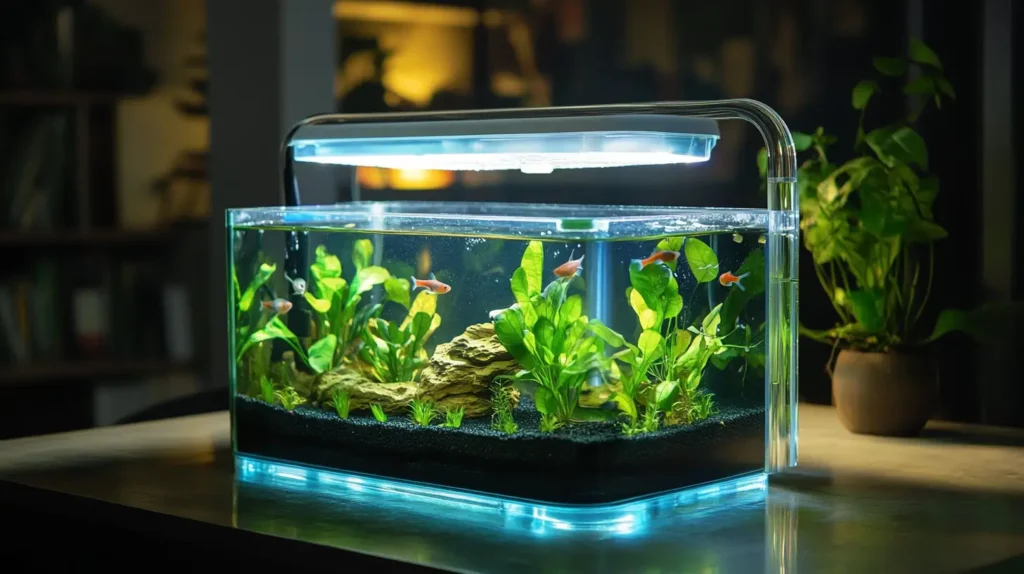
Learn how to create the perfect Betta Fish Tank Setup with our ultimate guide for beginners, ensuring a stress-free and natural habitat for your fish.
Creating a comfortable home for your betta fish involves more than just adding water. These beautiful creatures need specific care to thrive. A well-planned tank setup ensures they live in a safe environment. It includes choosing the right tank size, water conditions, and decorations.
These elements help mimic their natural habitat, reducing stress and encouraging natural behaviors. The setup process can be both rewarding and fascinating. You’ll learn about the unique needs of bettas. Dive into the essentials of betta fish tank setup. Discover how to create a space that keeps your betta healthy and thriving.
Choosing The Right Tank
Setting up a betta fish tank is an exciting journey for any pet lover. Choosing the right tank is crucial to ensure your betta thrives in its new environment. It’s not just about aesthetics; the tank’s size and shape significantly impact your fish’s health and happiness. Let’s dive into how to select the perfect tank for your betta fish and explore the importance of size and shape in this process.
Size Matters
Betta fish need ample space to swim and explore. A larger tank helps maintain water quality and reduces stress for your fish. Here are some important points to consider:
- Minimum size: At least 5 gallons. Anything smaller can lead to health problems.
- Better water conditions: Larger tanks are easier to keep clean, reducing harmful ammonia levels.
- More room for decorations: A bigger tank accommodates betta fish plants, rocks, and hiding spots.
Here’s a comparison table to help visualize the benefits of different tank sizes:
| Tank Size | Benefits |
|---|---|
| 5 gallons | Basic space, limited decorations |
| 10 gallons | Better water stability, more decor options |
| 20 gallons | Enhanced water quality, ample swim area |
Shape Considerations
The shape of the tank can influence your betta’s swimming patterns and overall comfort. Choosing wisely can enhance your fish’s experience.
- Rectangular tanks: These offer more surface area, improving oxygen exchange.
- Spherical tanks: Can be visually appealing but may restrict movement.
- Height vs width: Betta fish prefer horizontal space for swimming.
Consider these tips for selecting a tank shape:
- Ensure the tank is not too tall, as bettas swim horizontally.
- Choose a shape that allows easy placement of betta fish plants.
- Avoid tanks that distort the view, which can stress fish.
Choosing the right shape ensures your betta fish have a comfortable and stimulating environment.
Essential Equipment
Creating a comfortable home for your betta fish involves more than just a tank filled with water. Essential equipment ensures their environment mimics natural conditions, promoting health and happiness. A well-equipped tank not only provides physical space but meets the critical needs of these beautiful creatures. The right setup includes vital components like filters and heaters. Each plays a crucial role in maintaining the tank’s ecosystem.
Filter Types
A filter is fundamental to a betta fish tank setup. It keeps the water clean and oxygenated, reducing the frequency of water changes. Filters come in several types, each with distinct features:
- Sponge Filters: Gentle and ideal for betta fish, these filters don’t create strong currents. They help maintain beneficial bacteria and improve water quality.
- Internal Filters: Compact and easy to install. They fit inside the tank and offer good filtration for small to medium tanks.
- External Filters: Suitable for larger tanks, these sit outside and provide thorough cleaning. They are powerful but require more maintenance.
Choosing the right filter depends on your tank size and the specific needs of your betta fish. Always ensure the filter doesn’t create strong currents, as bettas prefer calm water.
| Filter Type | Pros | Cons |
|---|---|---|
| Sponge | Gentle, promotes bacteria | Less powerful |
| Internal | Compact, easy install | Limited capacity |
| External | Powerful, thorough | More maintenance |
Heater Importance
Betta fish thrive in warm waters. A heater is essential to maintain consistent temperatures, usually between 76°F and 80°F. Temperature fluctuations can stress your fish, leading to health issues.
Consider these factors when choosing a heater:
- Adjustable Temperature: Allows precise control to meet specific betta needs.
- Wattage: Match the wattage to your tank size. Typically, 5 watts per gallon is recommended.
- Submersible vs. In-line: Submersible heaters are common and fit directly in the tank. In-line heaters connect externally and suit larger setups.
Proper heating ensures bettas remain active and healthy. Regularly monitor the temperature to avoid overheating, and consider a thermometer for accuracy.
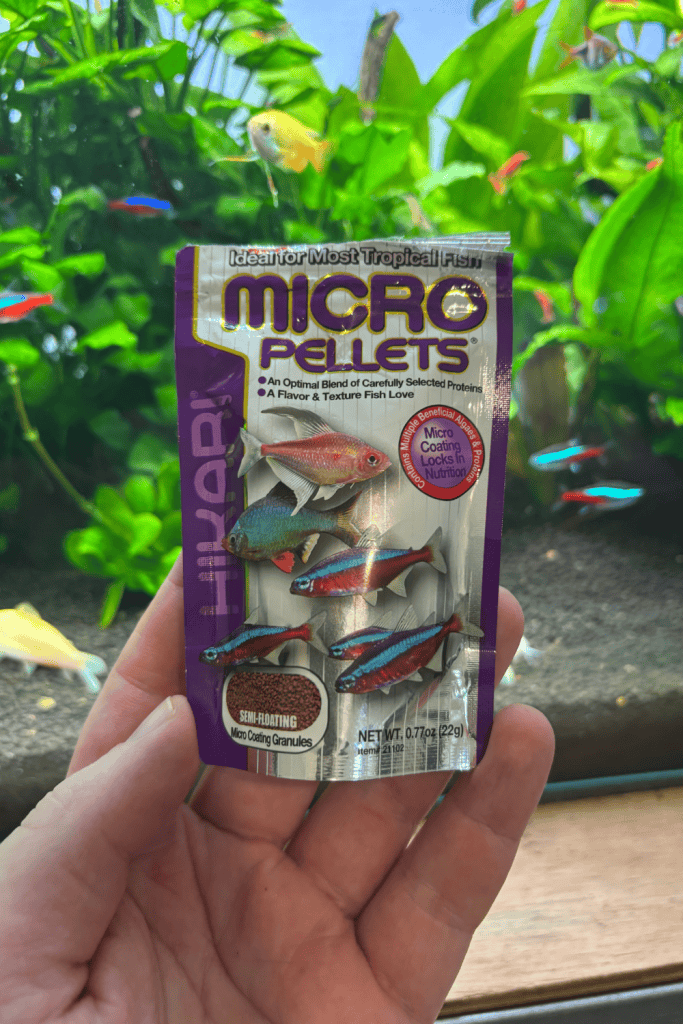
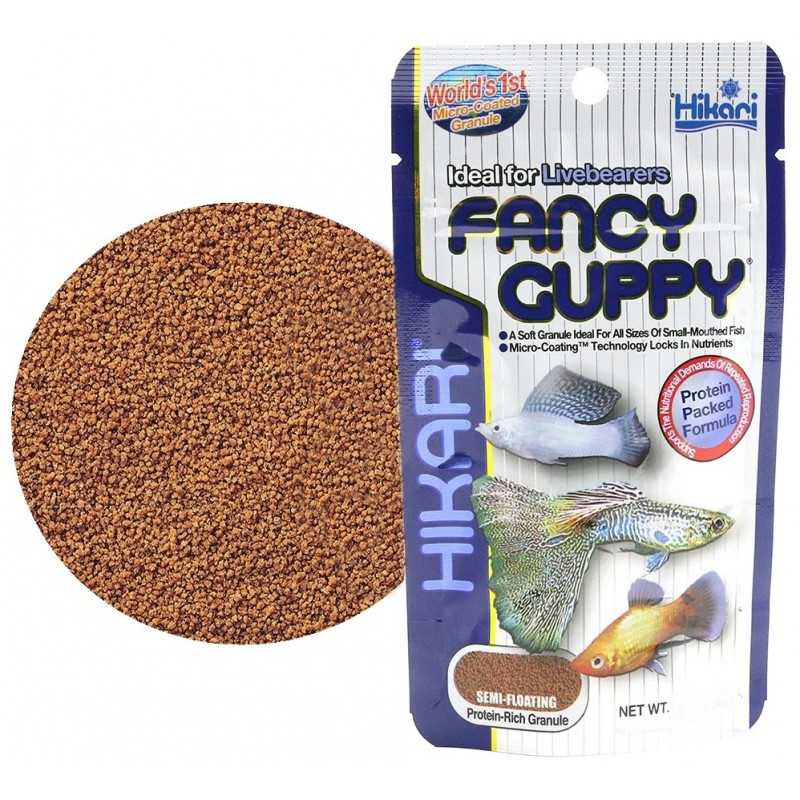
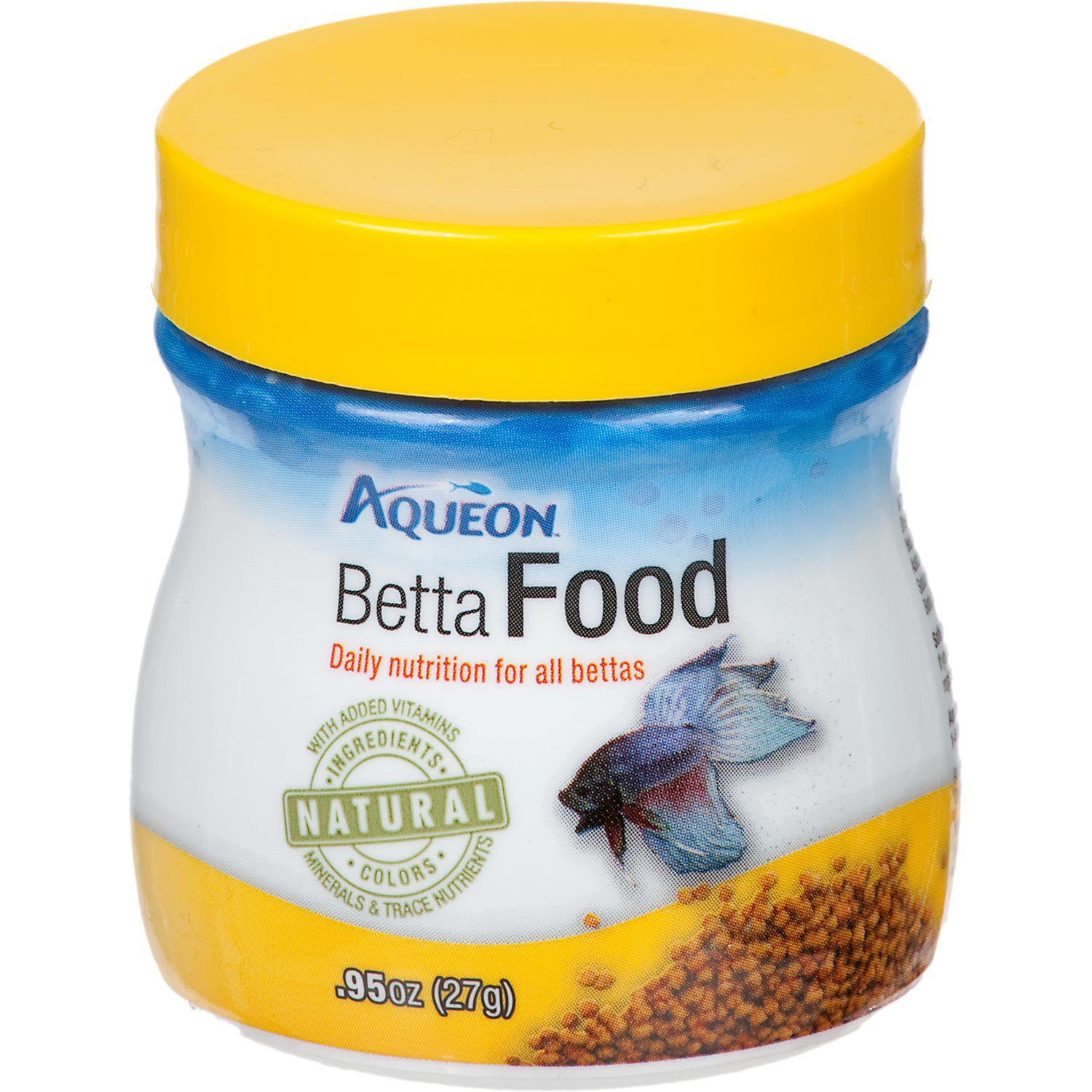
Pair a heater with betta fish food that supports their diet, enhancing their well-being and vitality. With the right equipment, your betta fish will enjoy a vibrant and comfortable habitat.
Substrate Selection
Creating a comfortable home for your betta fish involves more than just water and a tank. The substrate you choose plays a crucial role in your fish’s well-being. Substrate not only affects the tank’s aesthetic but also impacts water quality and betta fish tank mates. With various options available, selecting the right one can be a bit daunting. Let’s dive into the considerations for choosing the best substrate for your betta fish tank setup.
Gravel Vs. Sand
When deciding between gravel and sand, there are a few key differences to consider. Gravel is a popular choice due to its ease of cleaning. Its larger particles allow debris to fall through, making it easier to vacuum out. Gravel also provides better water circulation, which is beneficial for maintaining a healthy environment.
- Gravel Pros: Easy to clean, available in various colors, promotes good water flow.
- Gravel Cons: May trap uneaten food, less suitable for live plants.
Sand, on the other hand, offers a more natural look and feel. It is softer, which can be more comfortable for your betta. Sand also supports live plants better than gravel, as it allows roots to anchor more easily.
- Sand Pros: Natural appearance, better for live plants, soft texture.
- Sand Cons: Can compact over time, harder to clean, may cloud water if disturbed.
| Feature | Gravel | Sand |
|---|---|---|
| Ease of Cleaning | High | Medium |
| Plant Support | Low | High |
| Appearance | Varied Colors | Natural Look |
Natural Vs. Artificial
Choosing between natural and artificial substrates is another important decision. Natural substrates, like river rocks or organic soil, can enhance the biological balance in your tank. They often contain beneficial bacteria that help break down waste, improving water quality for your betta fish and tank mates.
- Natural Pros: Supports beneficial bacteria, enhances biological balance, eco-friendly.
- Natural Cons: May alter water chemistry, can be more expensive.
Artificial substrates are often made of plastic or coated materials. They come in various colors and sizes, offering a wide range of aesthetic options. While they do not support bacteria as well as natural substrates, they are generally more affordable and do not alter water chemistry.
- Artificial Pros: Cost-effective, wide variety of colors, stable water chemistry.
- Artificial Cons: Less beneficial for bacteria, not eco-friendly, can appear less natural.
Your choice between natural and artificial substrates can affect the overall health of your tank. Consider your priorities, whether it’s aesthetics, cost, or creating a natural environment for your betta fish tank setup.

Aquascaping Ideas
Setting up a Betta fish tank is an exciting process that lets you create a beautiful and healthy environment for your pet. Aquascaping, the art of arranging aquatic plants, rocks, and other elements in a fish tank, plays a crucial role. It not only enhances the visual appeal but also provides a suitable habitat for your Betta. Below, explore some aquascaping ideas that will make your Betta tank both functional and stunning.
Plants For Betta Tanks
Plants are essential in a Betta tank. They offer natural filtration and mimic the fish’s natural habitat. Some popular plant choices include:
- Java Fern: This hardy plant thrives in low light and doesn’t need substrate.
- Anubias: Known for its broad leaves, it provides shade and shelter.
- Amazon Sword: A larger plant, ideal for creating a lush backdrop.
- Marimo Moss Balls: Easy to care for and help maintain water quality.
When choosing plants, ensure they are safe for Betta fish. Avoid sharp or rough plants that might injure delicate fins. The table below summarizes some plant options and their care requirements:
| Plant | Light Level | Care Level |
|---|---|---|
| Java Fern | Low | Easy |
| Anubias | Low to Medium | Easy |
| Amazon Sword | Medium to High | Moderate |
| Marimo Moss Balls | Low | Very Easy |
Decor And Hiding Spots
Decorations in a Betta tank are more than just for looks. They provide hiding spots and territories for Betta fish. Consider the following ideas:
- Caves: Small ceramic or rock caves offer a perfect retreat.
- Driftwood: Adds a natural look and provides hiding spaces.
- Floating Logs: Bettas love to rest near the surface; these logs provide a perfect perch.
When selecting decor, ensure items are smooth and free of sharp edges. Betta fins are delicate and easily torn. Here’s a quick guide to choosing the right decor:
| Decor Type | Benefits |
|---|---|
| Caves | Provides privacy and security |
| Driftwood | Creates natural hiding spots and aesthetic appeal |
| Floating Logs | Offers resting areas near the water’s surface |
Remember, a well-decorated tank not only enhances the visual appeal but also ensures a happy and healthy Betta fish.
Water Parameters
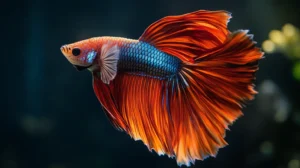
Betta fish, with their vibrant colors and flowing fins, are a popular choice for aquarium enthusiasts. Setting up a tank for these graceful creatures requires attention to detail, especially regarding water parameters. Proper water conditions are crucial for the health and happiness of your Betta fish. Water parameters like temperature and pH levels play a significant role in replicating their natural habitat. Let’s explore these essential aspects to ensure your Betta thrives in its new home.
Temperature Needs
Temperature is a vital factor in Betta fish tank setup. Betta fish originate from warm waters, which means they prefer a stable, warm environment. Keeping the water temperature between 75°F to 80°F is ideal. Consistency is key; fluctuations can stress the fish and lead to health issues.
Here’s a simple guide to maintaining the right temperature:
- Invest in a reliable aquarium heater.
- Use a thermometer to monitor the water temperature daily.
- Avoid placing the tank near windows or direct sunlight.
A table may help you quickly grasp temperature guidelines:
| Water Temperature | Effect on Betta |
|---|---|
| Below 75°F | Sluggish, increased risk of disease |
| 75°F – 80°F | Optimal health and activity |
| Above 80°F | Stress, potential overactivity |
Maintaining the right temperature not only boosts your Betta’s mood but also its immune system. Keep it consistent for a happy, healthy fish.
Ph Levels
pH levels in the tank are another crucial aspect of Betta fish care. Bettas thrive in slightly acidic to neutral water conditions. Aim for a pH level between 6.5 and 7.5. Extreme pH levels can cause stress and even harm your Betta.
Steps to ensure proper pH levels:
- Test the water with a reliable pH test kit.
- Adjust the pH using products designed for aquarium use if necessary.
- Regularly check and maintain pH levels.
Here’s a breakdown of pH levels and their effects:
| pH Level | Effect on Betta |
|---|---|
| Below 6.5 | Stress, potential health issues |
| 6.5 – 7.5 | Optimal health and comfort |
| Above 7.5 | Stress, potential health issues |
Maintaining the right pH balance ensures your Betta is comfortable and healthy. Regular monitoring can prevent issues and keep your fish vibrant.
Cycling The Tank
Setting up a Betta fish tank is an exciting task that requires careful planning. One of the crucial steps is cycling the tank. This process ensures your Betta has a safe and healthy environment. Cycling involves establishing a beneficial bacteria colony that helps maintain water quality. This guide will help you understand the essentials of cycling your Betta fish tank.
Nitrogen Cycle Basics
The nitrogen cycle is the foundation of a healthy aquarium. It involves the conversion of fish waste into less harmful substances. Understanding this cycle is vital for your Betta fish’s well-being.
The cycle includes three main stages:
- Ammonia Production: Fish waste and uneaten food break down into ammonia, which is toxic to fish.
- Nitrite Formation: Beneficial bacteria convert ammonia into nitrites, which are still harmful but less so than ammonia.
- Nitrate Conversion: Another type of bacteria turns nitrites into nitrates, which are less toxic and can be managed through regular water changes.
These steps ensure your tank has a stable environment for your Betta. The process usually takes 4 to 6 weeks. Patience is key. Use a test kit to monitor levels and ensure the cycle completes successfully.
Here’s a simple table to summarize the nitrogen cycle stages:
| Stage | Substance | Toxicity Level |
|---|---|---|
| Ammonia Production | Ammonia | High |
| Nitrite Formation | Nitrite | Moderate |
| Nitrate Conversion | Nitrate | Low |
Testing Water Quality
Testing water quality is essential to ensure a healthy environment for your Betta fish. It helps you monitor the nitrogen cycle and detect any harmful substances.
Use a water test kit to check the following parameters:
- Ammonia Levels: Keep levels at 0 ppm. Any presence can be harmful to your Betta.
- Nitrite Levels: Should also be at 0 ppm once the cycle is complete.
- Nitrate Levels: Maintain below 20 ppm. Regular water changes help manage this.
- pH Levels: Betta fish thrive in a pH of 6.5 to 7.5.
Regular testing helps you spot problems early. It ensures a safe home for your Betta. For accurate results, test the water at least once a week. Increase frequency during the cycling process.
Here’s a quick checklist for maintaining water quality:
- Test water regularly.
- Perform weekly 20% water changes.
- Avoid overfeeding your Betta.
- Remove uneaten food and waste promptly.
By following these steps, you create a thriving ecosystem for your Betta fish. Testing is a small task with big rewards. It ensures your Betta enjoys a long and healthy life.
Introducing Betta Fish
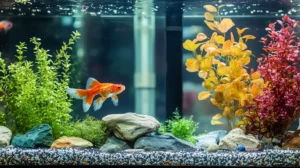
Betta fish are stunning creatures with vibrant colors and flowing fins. These tropical fish are popular among aquarium enthusiasts due to their unique personalities and relatively easy care requirements. Setting up a proper Betta fish tank is essential for their well-being, ensuring they thrive in a suitable environment. Before introducing Betta fish to their new habitat, understanding their needs and preferences is crucial. This includes learning about their natural habitat, behavior, and how to create an ideal living space.
Acclimation Process
Acclimating Betta fish to their new environment is a critical step in Betta Fish Care. Proper acclimation helps reduce stress and increases their chances of adapting well to their Betta Fish Habitat. Follow these steps for a smooth transition:
- Float the Bag: Place the fish bag in the tank. This helps balance Water Temperature.
- Gradual Water Mixing: Add small amounts of tank water to the bag. Do this over 30 minutes.
- Release the Fish: Gently release Betta into the tank. Avoid pouring the bag water into the tank.
Monitoring Water Parameters is essential during acclimation. Ensure the tank has appropriate Aquarium Filtration and stable conditions. The table below provides ideal water conditions for Betta Fish:
| Parameter | Ideal Range |
|---|---|
| Temperature | 76-81°F (24-27°C) |
| pH Level | 6.5-7.5 |
| Ammonia | 0 ppm |
| Nitrite | 0 ppm |
| Nitrate | <5 ppm |
Ensuring Fish Tank Maintenance during acclimation prevents health issues. A well-maintained tank supports healthy Betta Fish Behavior.
Tank Mates Considerations
Betta fish are known for their territorial nature. Choosing Compatible Fish Species is crucial to avoid aggression. Consider these points when selecting tank mates:
- Peaceful Species: Opt for calm fish. Avoid aggressive or fin-nipping species.
- Similar Water Needs: Choose species that match Betta’s Water Temperature and Water Parameters.
- Tank Size: Ensure enough space. Larger tanks reduce stress and territorial disputes.
Adding Aquarium Plants enhances the Betta Fish Habitat. Plants offer hiding spots and reduce stress. Consider these species:
- Anubias
- Java Fern
- Amazon Sword
Proper planning is key in Betta Fish Care. It ensures harmony in the tank. Regular Fish Tank Maintenance helps maintain a peaceful environment. Research and preparation prevent issues and promote healthy coexistence.
Maintenance Routine
Setting up a Betta fish tank is the first step to creating a healthy environment for these vibrant creatures. But the journey doesn’t end there. A consistent maintenance routine is crucial to ensure your Betta fish thrives. Proper care keeps the water clean and the fish healthy, preventing diseases and stress. Regular water changes and cleaning are part of this routine, ensuring the tank remains a safe haven for your aquatic friend.
Regular Water Changes
Water changes are vital for maintaining a healthy Betta fish tank. Fresh water reduces harmful waste and maintains a balanced ecosystem.
Why are water changes essential? Betta fish produce waste that can lead to toxic water conditions. Regular changes help remove these toxins.
Implementing a consistent schedule is key:
- Change 25% of the water weekly for small tanks.
- Opt for 10-15% changes weekly for larger tanks.
- Use a gravel vacuum to remove debris while changing water.
Follow these steps for effective water change:
- Prepare fresh, dechlorinated water at room temperature.
- Slowly replace the old water to avoid stressing the fish.
- Check water parameters after change: pH, ammonia, nitrate levels.
Regular water changes not only improve water quality but also mimic natural conditions, contributing to your Betta’s well-being.
Cleaning Tips
Cleaning the tank is another crucial part of Betta fish care. A clean tank prevents disease and provides a comfortable habitat.
What needs cleaning? The tank walls, substrate, decorations, and filter all require regular attention.
Here are some cleaning tips:
- Tank walls: Use an algae scraper to remove buildup.
- Substrate: Vacuum the gravel weekly to remove waste.
- Decorations: Rinse under warm water; avoid soap.
- Filter: Clean monthly to ensure efficient operation.
Consider a table for easy reference:
| Item | Frequency | Method |
|---|---|---|
| Tank Walls | Weekly | Algae Scraper |
| Substrate | Weekly | Gravel Vacuum |
| Decorations | Bi-weekly | Warm Water Rinse |
| Filter | Monthly | Rinse & Replace Media |
These cleaning practices keep your tank pristine, ensuring your Betta fish enjoys a healthy, stress-free life.
Frequently Asked Questions
What Do I Need To Set Up A Betta Fish Tank?
To set up a betta fish tank, you’ll need a 5-gallon tank, heater, filter, water conditioner, and thermometer. Include plants and decorations for enrichment. Maintain a water temperature of 76-82°F. Ensure the tank has a lid to prevent jumping. Test water quality regularly for a healthy environment.
What Do Betta Fish Like To Have In Their Tank?
Betta fish enjoy having a well-maintained tank with clean water, plants, and hiding spots. They prefer a heater to maintain water temperature around 78-80°F. Provide a gentle filter and enrich their environment with decorations like caves or rocks. Ensure space for swimming and regular water changes for their health.
What To Put In The Bottom Of A Betta Tank?
Use smooth gravel or sand as the substrate for a betta tank. These materials prevent injury to the fish. Ensure the substrate is clean and free of sharp edges. Adding live plants can enhance the environment and provide natural filtration.
Do Betta Fish Need Plants In Their Tank?
Betta fish benefit from having plants in their tank. Plants provide shelter, reduce stress, and improve water quality. Live or artificial plants can enhance their environment, promoting healthier and happier fish. Choose non-toxic options to ensure safety.
Conclusion
Setting up a Betta fish tank isn’t hard. Follow simple steps for success. Choose the right tank size and clean water. Add a heater to keep the water warm. Decorate with plants and hiding spots. This helps your Betta feel safe.
Feed them the right food to stay healthy. Regular tank cleaning is key. Happy Betta, happy owner. Remember, a well-set tank means a happy fish. Enjoy watching your Betta thrive in its new home!